Adaptive dashboards syncing live event entries with gear restocking cycles and donor pledge timelines across para-athletic networks
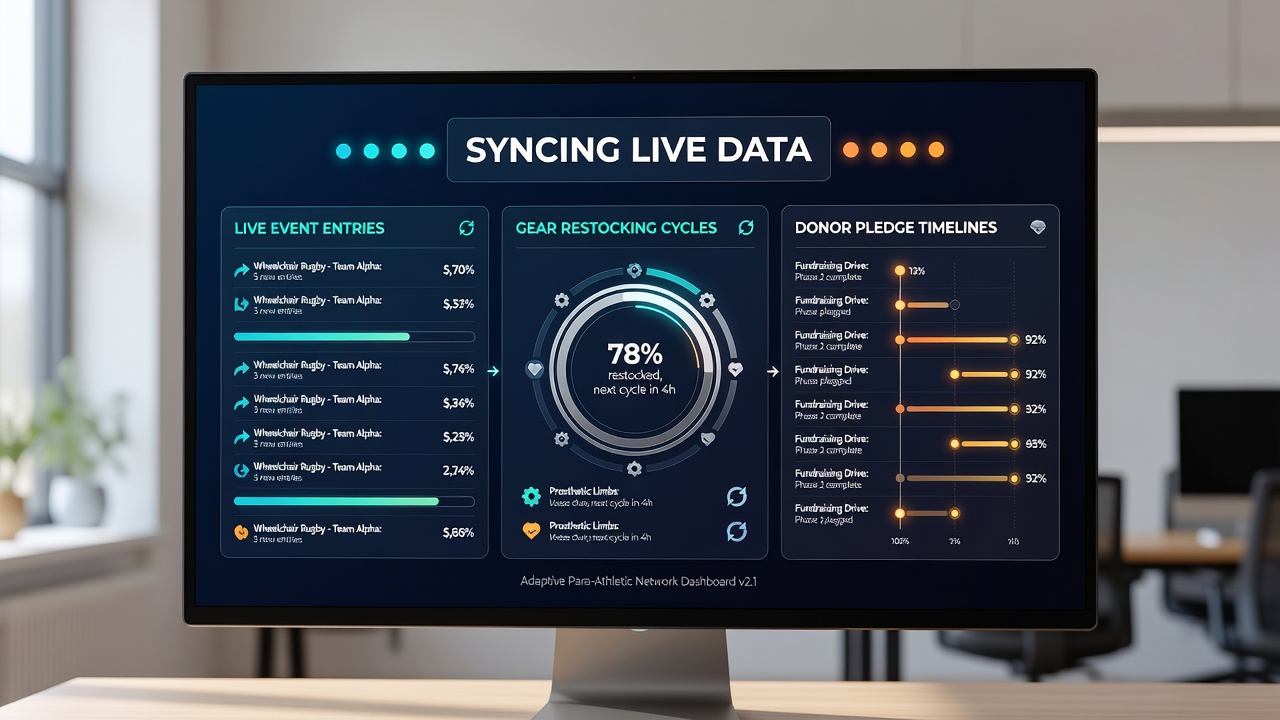
Adaptive dashboards now integrate live event entries with gear restocking cycles and donor pledge timelines in para-athletic networks, and organizations across multiple regions report measurable improvements in operational coordination since these tools gained wider adoption. Data from regional federations show that synchronization reduces mismatches between participant registrations and equipment availability while aligning incoming pledges with projected expenditures.
Core Functions of Adaptive Dashboards in Para-Athletic Settings
These platforms pull information from entry systems, inventory databases, and donor management modules into unified views that update automatically as conditions change. When an athlete registers for a July 2026 regional competition, the dashboard flags required gear quantities and checks current stock levels against projected needs. Observers note that this process flags shortfalls days or weeks earlier than manual tracking methods allowed.
Restocking cycles receive direct input from entry data so orders trigger before shortages occur. In one documented case, a European network adjusted wheelchair component orders three weeks ahead of a multi-sport meet after the dashboard correlated rising registration numbers with existing inventory figures. Donor pledge timelines feed into the same interface, and systems highlight when pledged amounts align with upcoming payment obligations for vendors and event logistics.
Integration of Live Event Entries and Inventory Management
Live entry feeds connect directly to inventory modules, and the connection allows automatic recalculation of required stock as registration numbers shift. Research indicates that networks using these connections report fewer instances of last-minute procurement at premium costs. Figures from a 2025 industry report by the Australian Sports Commission reveal that synchronized systems cut emergency ordering expenses by an average of 18 percent across participating para-athletic groups.
Gear categories tracked in these dashboards include adaptive prosthetics components, specialized wheelchairs, and protective equipment calibrated for specific classifications. When entry volumes for a classification increase, the system projects demand and compares it against supplier lead times already stored in the database. Those who've studied implementation timelines note that organizations typically require four to six weeks of data accumulation before the predictive elements stabilize and deliver consistent alerts.
Alignment of Donor Pledge Timelines with Operational Cycles
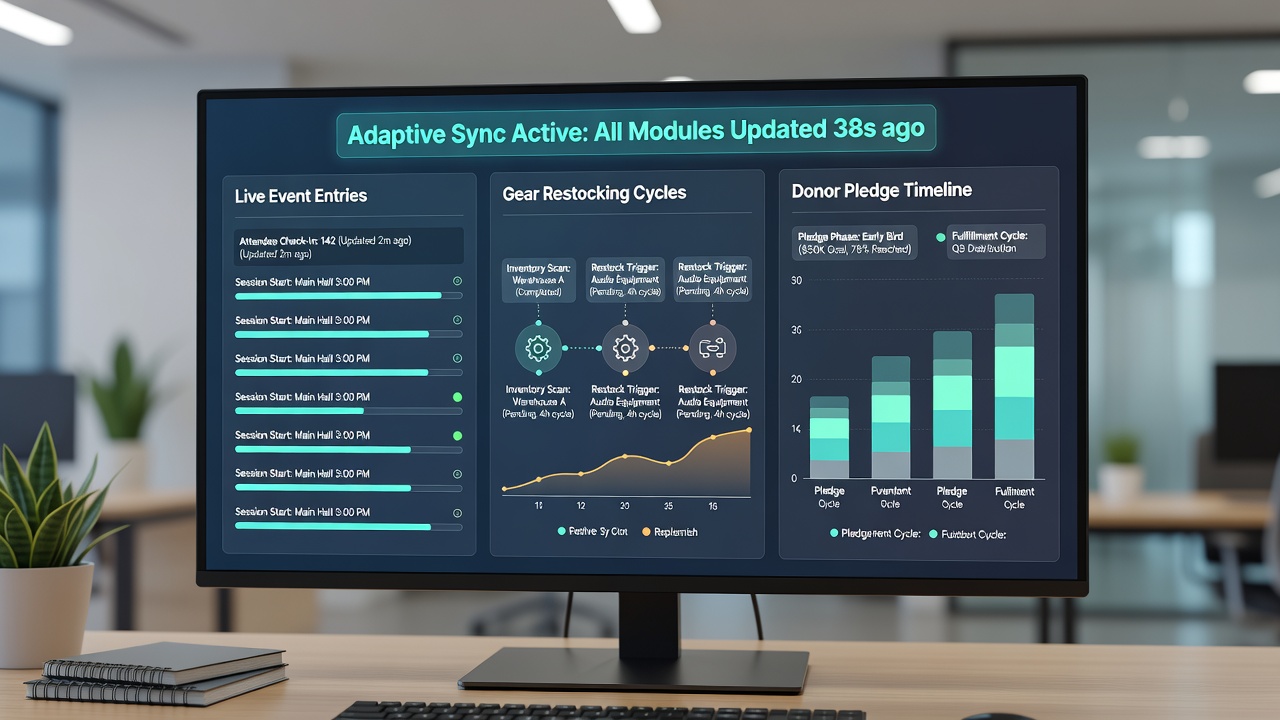
Donor management modules within these dashboards record pledge amounts, expected receipt dates, and designated purposes. The system cross-references these dates with scheduled restocking purchases and event-related payments, and it generates alerts when timing gaps appear. According to data compiled by the Canadian Heritage sport programs, networks that linked pledge tracking with expenditure calendars reduced instances of delayed vendor payments by 22 percent over a twelve-month period ending in early 2026.
Multi-currency support appears in platforms serving international donor bases, and conversion rates update daily to reflect current exchange values. This feature helps organizations forecast actual available funds rather than nominal pledged totals. Case examples from South American federations show that dashboards flagged currency fluctuations affecting pledge values two months before scheduled equipment deliveries, allowing administrators to adjust order quantities or seek supplemental funding sources.
Regional Network Applications and Reported Outcomes
Para-athletic networks in Asia-Pacific regions adopted these dashboards in phases throughout 2025, and early adopters shared aggregate metrics showing improved cash-flow visibility. One federation reported that synchronized timelines enabled them to time a major equipment tender with the arrival of annual donor installments, eliminating the need for short-term bridging finance. Similar patterns appear in North American circuits where state-level organizations coordinate across multiple disability classifications and event types.
Training requirements for dashboard users remain modest because interfaces use familiar spreadsheet-style layouts augmented with color-coded status indicators. Staff members who previously managed separate spreadsheets for entries, inventory, and donations now review a single view updated in real time. Studies from academic institutions in the European Union document that organizations completing initial onboarding within eight weeks achieved full operational use within the following quarter.
Conclusion
Adaptive dashboards continue to expand their role in para-athletic networks by connecting entry systems, restocking schedules, and pledge timelines into single operational views. Available data indicate consistent patterns of earlier shortage detection and improved alignment between incoming resources and scheduled outflows across multiple geographic areas. As more networks complete integration projects, the documented outcomes provide reference points for groups still evaluating these tools for their own operations.