Aligning Clinic Participation Fees with Annual Kit Distributions in Amateur Cycling Federations Using Automated Invoicing Systems
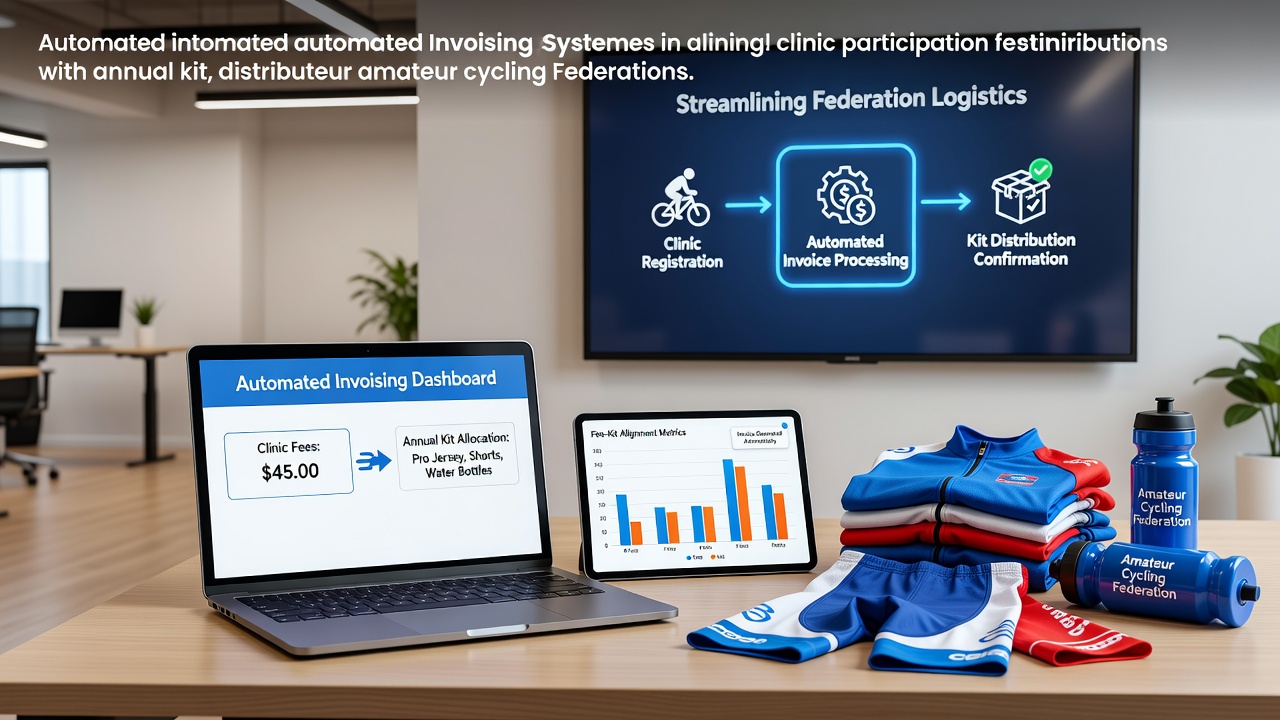 Amateur cycling federations across multiple regions manage complex financial flows that connect clinic participation fees directly to annual kit distributions, and automated invoicing systems handle the synchronization process through scheduled triggers and data matching protocols. These platforms pull registration data from clinic sign-ups, cross-reference it against kit eligibility lists maintained by federation administrators, and generate invoices that reflect both line items in a single document. Observers note that this integration reduces manual reconciliation steps that previously required separate tracking spreadsheets and follow-up communications. Federations in North America and Europe began testing these alignments more widely after 2024 updates to member management software, with several organizations completing full rollouts by early 2025. The process typically starts when a rider registers for a clinic through the federation portal, at which point the system flags the participant for the next annual kit distribution cycle. Invoices then itemize the clinic fee alongside any prorated kit costs or credits, and payment confirmation updates both records simultaneously.
How Automated Systems Coordinate Fee and Distribution Cycles
Automated invoicing platforms connect clinic participation records to kit inventory schedules using API links between registration modules and distribution calendars. When a federation schedules an annual kit release for July 2026, the system identifies riders who completed qualifying clinics during the preceding twelve months and adjusts invoice totals accordingly. Data from federation reports shows that this linkage cuts processing time for combined billings by approximately 40 percent compared with earlier manual methods.
Those who administer these systems often set rule-based triggers that activate invoice generation thirty days before each kit distribution date. The software verifies payment status for clinic fees first, then applies any outstanding kit balances or credits to the same document. This approach keeps participant accounts current without requiring separate reminders for each category of expense.
Implementation Patterns Across Regional Federations
Regional cycling organizations in Canada and Australia adopted similar configurations during 2025, linking their clinic calendars directly to kit ordering timelines. One federation in British Columbia reported that the automated match between clinic attendance and kit eligibility eliminated discrepancies that had affected 12 percent of distributions in the prior year. The system flags riders who paid clinic fees but missed distribution windows and generates follow-up invoices only for the kit portion.
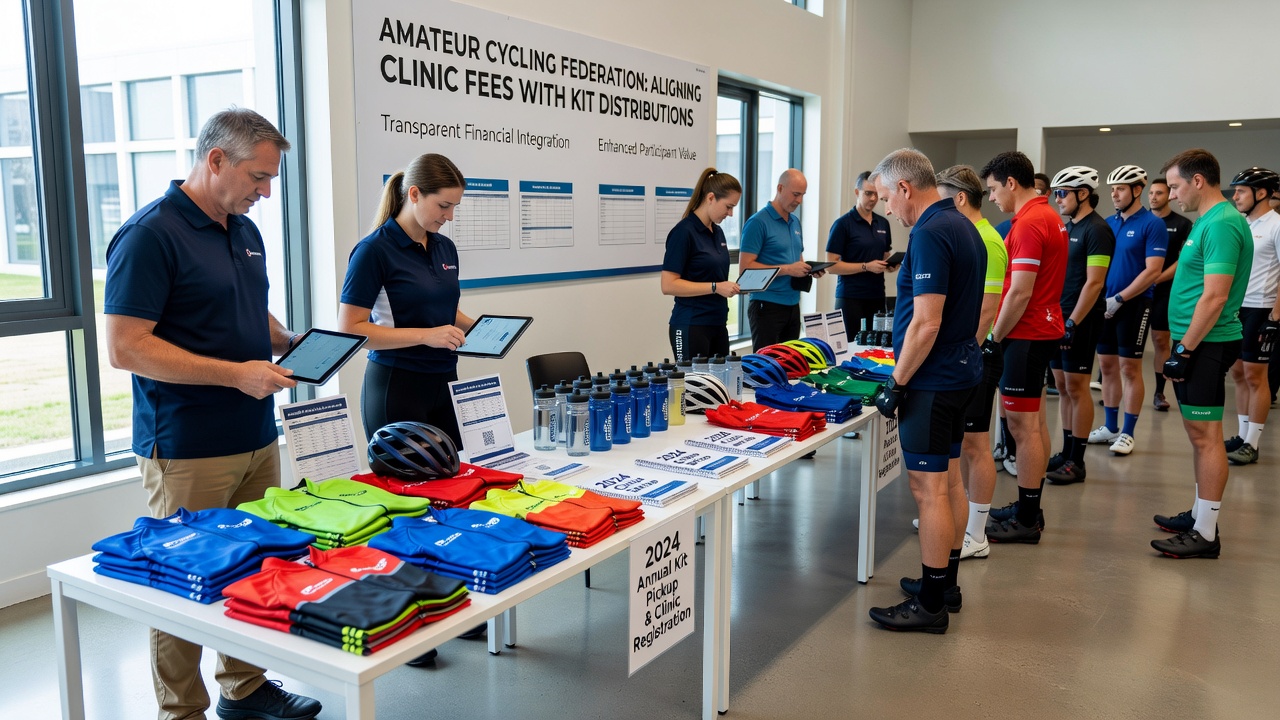
European federations followed comparable paths, with several national bodies integrating their platforms through shared software vendors. According to a 2025 industry report from the European Sports Technology Association, federations using automated alignment tools processed 25 percent more combined clinic-and-kit transactions during peak seasons without adding administrative staff. The report also notes that error rates in billing dropped measurably once rule sets replaced manual cross-checks.
Data Tracking and Compliance Features
Modern invoicing systems maintain audit trails that record every adjustment between clinic fees and kit distributions. Federation finance teams access dashboards that display real-time status for each participant, including payment dates, distribution confirmations, and any credit applications. This level of detail supports compliance reporting required by nonprofit oversight bodies in multiple jurisdictions.
Researchers at sports management programs have examined these workflows and found that automated matching improves accuracy in tracking rider eligibility across multi-year cycles. When a rider attends clinics in consecutive seasons, the system carries forward credits or applies them to subsequent kit distributions without separate manual entries.
Integration with Broader Federation Operations
Automated invoicing extends beyond fee alignment to support inventory planning for kit distributions. Once clinic participation data feeds into the system, distribution coordinators receive updated counts that reflect paid participants. This connection allows federations to order kits in precise quantities rather than relying on estimates that often led to overstock or shortages.
Observers note that the same platforms frequently connect to membership renewal cycles, though the core focus remains on clinic-to-kit synchronization. Riders receive consolidated invoices that list only the relevant charges for a given period, which simplifies payment and reduces follow-up inquiries directed at federation offices.
Conclusion
Amateur cycling federations continue to refine automated invoicing configurations that tie clinic participation fees to annual kit distributions through rule-based triggers and shared data fields. These systems deliver consistent records that support both operational efficiency and regulatory compliance across different regions. As platforms evolve, federations gain clearer visibility into payment and distribution timelines without expanding manual oversight.