Balancing Budgets in Youth Athletics: Digital Platforms Coordinating Registrations, Gear Acquisitions, Supporter Gifts, and Recurring Plans
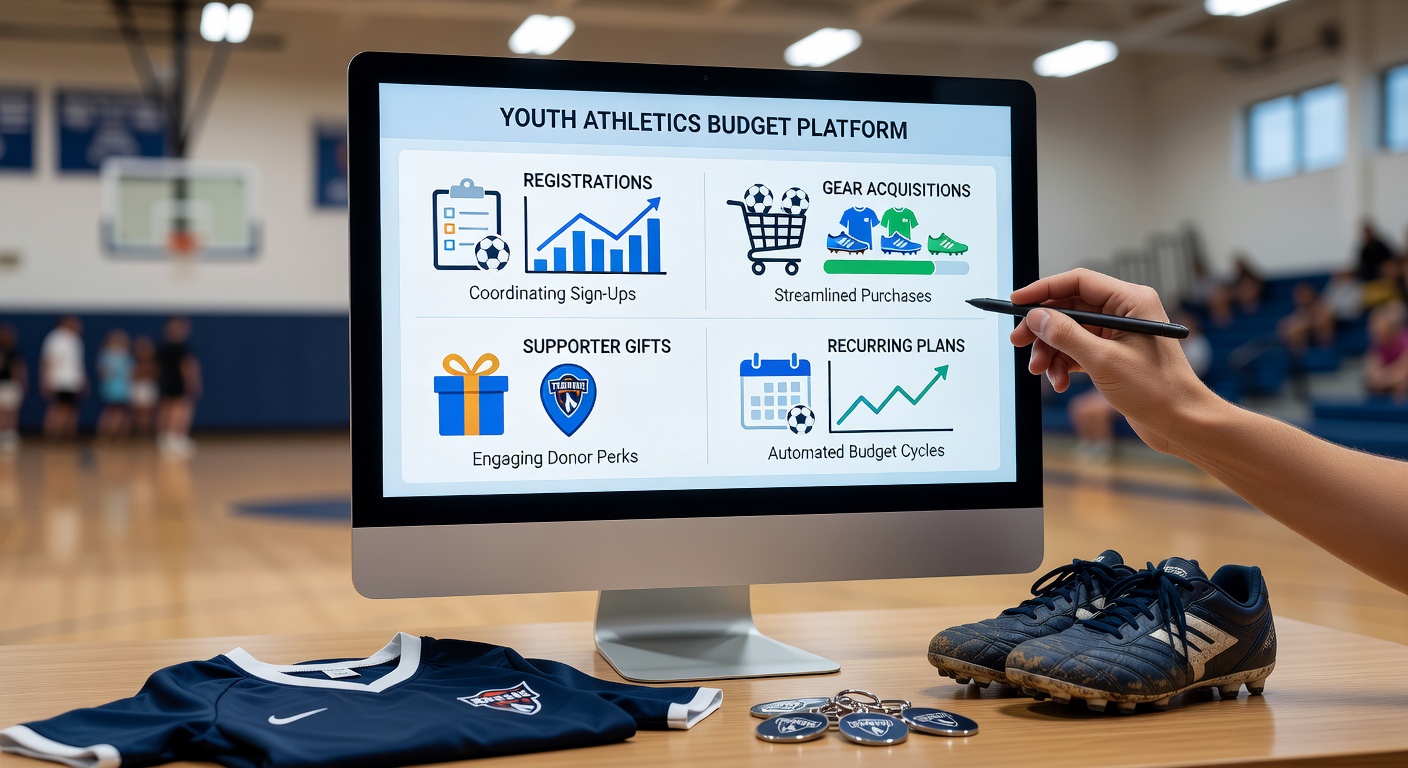
Youth athletics programs face ongoing pressure to manage tight budgets while keeping participation accessible, and digital platforms now handle the coordination of registrations, equipment purchases, supporter contributions, and recurring payment schedules in one streamlined workflow. These systems connect separate financial streams so that league administrators track income and outflows without juggling multiple spreadsheets or paper forms. Observers note that the approach reduces administrative overhead while giving families clearer visibility into costs and payment options.
Streamlining Registration and Fee Collection
Registration periods for youth leagues often generate hundreds of individual transactions within a few weeks, and digital platforms consolidate sign-ups with automated fee calculations that account for early-bird discounts, sibling reductions, and scholarship allocations. Data from program administrators shows that integrated checkout flows cut processing time by more than half compared with manual collection methods. Families receive instant confirmation and payment plans that spread costs across several months rather than requiring full upfront payment.
Coaches and volunteer treasurers gain real-time dashboards that flag unpaid balances and send gentle reminders through email or text, which keeps participation numbers stable even when household budgets fluctuate. The same platform logs every registration detail so end-of-season reports generate automatically for board meetings or grant applications.
Coordinating Gear Acquisitions Without Cash Advances

Equipment orders for uniforms, protective pads, and training supplies traditionally required advance collections that created cash-flow gaps for clubs, yet modern platforms link gear catalogs directly to participant accounts. When a family registers, they see optional add-ons priced transparently and can bundle purchases with registration fees or pay in installments through the recurring-plan module. Suppliers receive consolidated orders and payment guarantees, which often lowers per-unit costs for the entire group.
Administrators set approval rules so that bulk discounts apply automatically once a minimum number of families opt in, and inventory tracking updates live as orders finalize. One club in the Midwest reported that switching to this model eliminated the need for separate fundraising drives just to cover uniform deposits.
Managing Supporter Gifts and Community Contributions
Supporter gifts arrive through multiple channels including online donations, event sponsorships, and merchandise sales, and platforms consolidate these inflows into a single ledger tagged by purpose such as travel assistance or facility upgrades. Donors choose one-time gifts or recurring monthly support while receiving automated receipts that satisfy tax-reporting requirements. Program leaders then allocate funds visibly so contributors see exactly where their money goes without waiting for quarterly newsletters.
Because the system connects donations to specific budget lines, boards can adjust plans quickly when gift revenue exceeds or falls short of projections. External data from the Aspen Institute’s Project Play indicates that youth sports organizations relying on integrated donation tools maintain higher retention rates among volunteer fundraisers.
Setting Up Recurring Payment Plans That Match Family Cash Flow
Monthly or seasonal payment schedules help families avoid large single bills, and platforms let administrators design plans that align with school calendars or local payroll cycles. Automatic retries for failed payments and clear communication of upcoming charges reduce involuntary dropouts. Families log into one portal to view all current obligations, upcoming gear deliveries, and any supporter credits applied to their account.
League treasurers receive consolidated reports that separate registration revenue from gear sales and gift income, which simplifies audits and grant compliance. As of May 2026 several state athletic associations began requiring digital audit trails for programs receiving public facility subsidies, accelerating adoption of these coordinated systems.
Integration Across Multiple Programs and Seasons
Many families participate in more than one sport throughout the year, and platforms that share a common participant database prevent duplicate data entry while carrying over balances or credits. A single login lets parents manage soccer registration, baseball gear orders, and basketball supporter pledges without re-entering addresses or emergency contacts. The unified view also surfaces total annual spending so families can plan household budgets more accurately.
Program directors gain cross-sport analytics that reveal which activities generate the strongest net revenue after gear and travel costs, information that guides future scheduling decisions. Research published by the University of Michigan’s Sport Management program shows that organizations using unified digital finance tools report 18 percent lower administrative hours per participant compared with those relying on disconnected spreadsheets.
Conclusion
Digital platforms that tie registrations, gear orders, supporter gifts, and recurring plans into one workflow give youth athletics programs clearer financial visibility and reduce the administrative burden on volunteers. The result is more predictable cash flow for clubs and more manageable payment options for families. As adoption grows, these systems continue to evolve with features such as automated scholarship matching and predictive budgeting that help organizations stay sustainable season after season.