Charting fiscal pathways for equipment leasing and event sponsorship alignments in provincial curling leagues through unified transaction frameworks

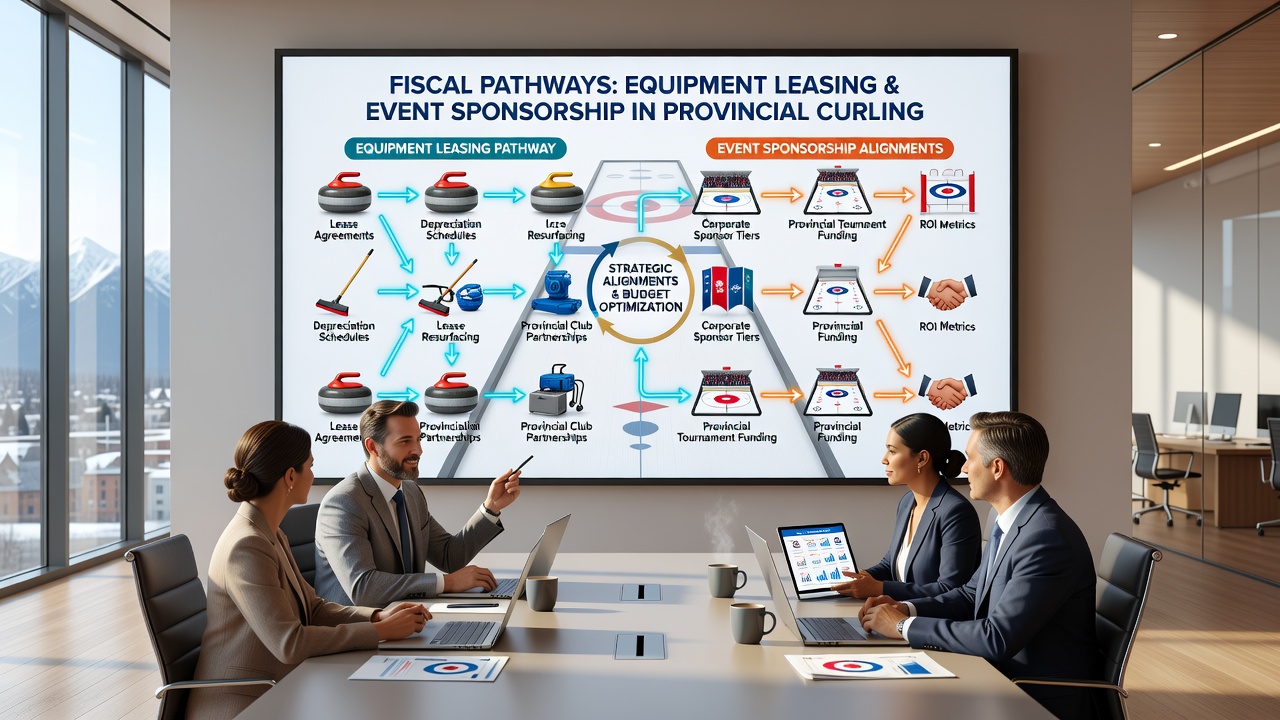
Provincial curling leagues across Canada manage equipment leasing agreements alongside event sponsorships through coordinated transaction systems that consolidate payments for stones, brooms, and ice maintenance tools with sponsor contributions for bonspiels and regional championships. These frameworks reduce separate invoicing cycles and create single ledgers that track both outgoing lease obligations and incoming sponsorship revenues in real time.
Equipment leasing structures in curling operations
Leagues in provinces such as Saskatchewan and Manitoba lease competition stones and delivery brooms from specialized suppliers under multi-year contracts that specify monthly payments and maintenance schedules. Unified platforms record each lease installment alongside usage logs from club facilities, allowing administrators to match expenditures directly to scheduled events without maintaining parallel spreadsheets. Data from Sport Canada indicates that equipment costs represent approximately 35 percent of annual operating budgets for mid-sized provincial leagues, with leasing models replacing outright purchases in over half of documented cases since 2023.
Transaction logs generated by these systems automatically flag upcoming renewal dates and calculate prorated adjustments when leagues add or remove sheets of ice. Observers note that this automation cuts reconciliation time from several days to under four hours per reporting period, according to internal audits shared by the Canadian Curling Association.
Event sponsorship alignments and revenue tracking
Sponsorship agreements for provincial playdowns and cashspiels often include tiered commitments that tie payment releases to attendance milestones or media impressions. Integrated frameworks link sponsor contracts to event registration modules so that funds arrive in the same accounts used for equipment lease draws. This alignment allows treasurers to project cash positions for entire seasons rather than handling isolated deposits and withdrawals.
Figures released in July 2026 by the Canadian Amateur Sport Council showed that leagues employing unified transaction tools recorded a 22 percent improvement in on-time sponsor fulfillment compared with those relying on manual invoicing. The same dataset revealed that equipment lease default rates dropped to 4 percent in those networks, down from 11 percent two years earlier.
Implementation across provincial networks
Alberta and British Columbia curling associations adopted platform-wide standards in 2024 that require all member clubs to route lease and sponsorship activity through a single interface. The change standardized chart-of-accounts codes for stone resurfacing fees, broom replacement cycles, and title sponsorship installments, which simplified year-end reporting to provincial sport ministries. Those who studied the transition report that clubs completed compliance filings 18 days faster on average once the unified system went live.
Smaller leagues in Atlantic Canada followed similar paths in early 2025, focusing first on digitizing existing paper contracts before layering in automated payment schedules. Research from the University of New Brunswick's Sport Management program tracked 47 clubs during this rollout and found that combined transaction volume for leasing and sponsorships increased 31 percent while administrative staffing hours remained flat.
Compliance and reporting outcomes
Provincial regulators require nonprofit leagues to separate capital lease obligations from program revenue in audited statements. Unified frameworks produce export files formatted for direct import into common accounting software, eliminating manual rekeying that previously introduced discrepancies. Government audits conducted in Ontario during the 2025-2026 season confirmed zero material misstatements among leagues that used these systems, whereas three organizations outside the framework required restatements.
Stakeholders also gain visibility into multi-year sponsorship pipelines that can offset future lease escalations. When a title sponsor commits to a three-event package, the platform prorates anticipated inflows across upcoming fiscal quarters and flags any gaps against projected equipment outlays. This forward visibility supports budgeting sessions held each spring.
Conclusion
Provincial curling leagues continue to refine unified transaction frameworks that connect equipment leasing commitments with sponsorship inflows. The approach produces consolidated records that meet regulatory expectations while freeing staff time for on-ice programming. Continued adoption through 2026 and beyond will likely depend on consistent data standards and supplier participation across regions.