Coordinating Resources in Community Swim Teams Through Integrated Systems
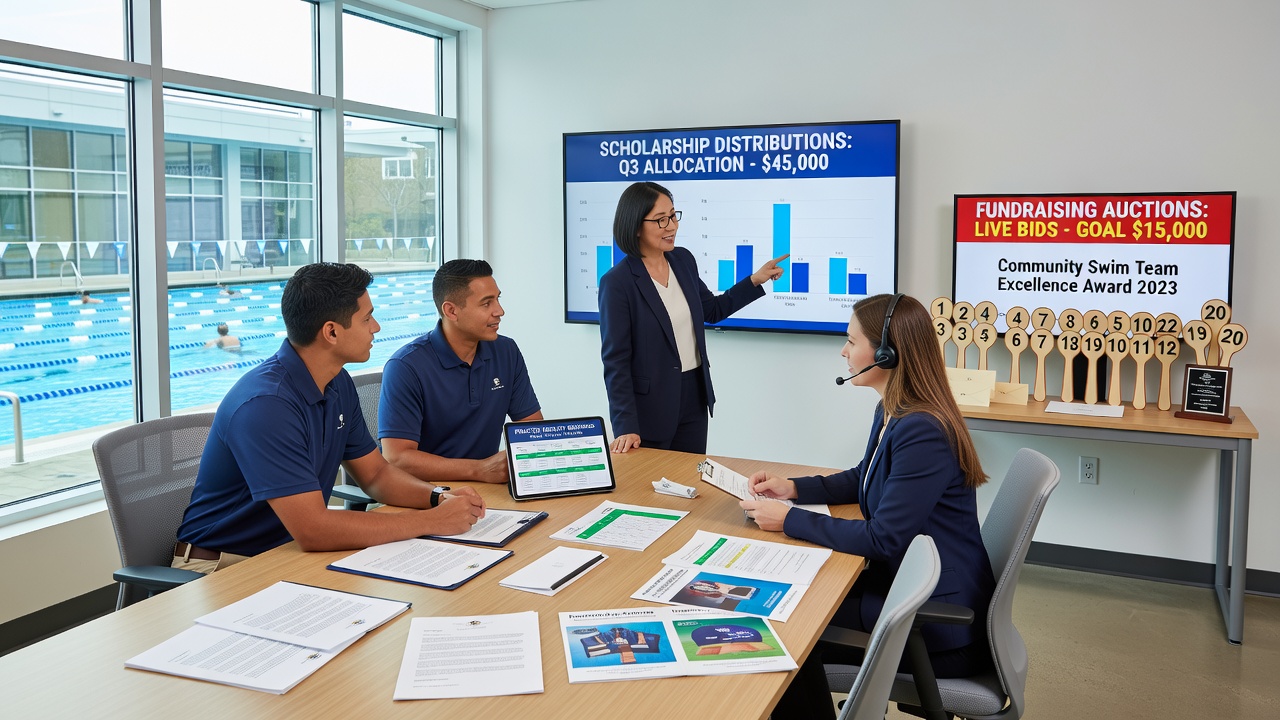 Community swim teams handle multiple operational streams at once, and observers note that effective coordination of scholarship distributions with practice facility bookings and fundraising auctions requires structured digital approaches. Research from youth sports organizations shows these elements often intersect during peak seasons when families seek financial support while clubs manage limited pool time and donor events.
Scholarship Distribution Frameworks
Teams establish eligibility criteria based on income levels, competitive performance metrics, and participation history, while data indicates that platforms track applications alongside payment histories to prevent overlaps. Those who've studied nonprofit youth athletics find that automated verification systems cross-reference family submissions with external aid programs, which reduces duplication and ensures funds reach qualifying athletes during registration periods.
Practice Facility Booking Integration
Facility access often ties directly to scholarship status because reduced-fee swimmers require specific lane allocations that clubs schedule months ahead. Experts observe that unified calendars link booking modules to scholarship ledgers so administrators see real-time availability without manual reconciliation, and this linkage proves useful when auction proceeds expand the number of supported athletes mid-season.
Fundraising Auctions and Revenue Allocation
Auction events generate targeted funds for scholarships through item donations and bidding platforms that feed directly into distribution accounts. Studies from regional aquatic associations reveal that transparent tracking allows clubs to allocate proceeds to both facility reservations and aid packages without separate ledgers, while June 2026 updates to several nonprofit compliance tools introduced automated receipt generation for auction donors that aligns with tax reporting requirements across multiple jurisdictions.

Platform Coordination Mechanisms
Integrated systems connect the three functions so that a scholarship award automatically adjusts a swimmer's facility access permissions and flags remaining auction revenue targets. According to reports from Sport Australia, such linkages help regional clubs maintain balanced budgets because changes in one area propagate instantly to related records, and administrators avoid the errors common in spreadsheet-based methods.
Take one regional network that implemented these connections last year and saw participation from scholarship recipients rise while facility conflicts dropped because booking requests now reference verified aid status. Data from the Aspen Institute's Project Play shows similar patterns across U.S. programs where auction income covers both equipment needs and pool time for supported families.
Compliance and Reporting Considerations
Nonprofit status brings reporting obligations that cover scholarship awards, facility expenditures, and auction proceeds in single filings. Observers note that platforms designed for youth sports generate unified reports that satisfy requirements from bodies like the Canada Revenue Agency and various state oversight offices, and this consolidation saves administrative hours during annual reviews.
Teams that separate these functions often encounter reconciliation delays, whereas linked systems produce audit-ready outputs that list every scholarship alongside its linked bookings and funding source. Those who've examined club operations find the approach particularly valuable when donor restrictions specify how auction money must support particular athlete groups or practice sessions.
Seasonal Workflow Patterns
Registration cycles typically begin in fall, followed by scholarship applications in winter, facility negotiations in spring, and auctions timed for early summer to cover next season's commitments. Research indicates that platforms scheduling these milestones in sequence reduce missed deadlines because alerts connect scholarship approvals to booking windows and auction planning tasks.
Community teams report fewer last-minute adjustments once the systems enforce these linkages, and the approach scales when multiple age groups compete for the same pool hours while drawing from shared scholarship pools.
Conclusion
Community swim teams continue to refine coordination methods that tie scholarship distributions, facility bookings, and fundraising auctions into single operational views. Evidence from multiple sports governing bodies suggests these integrated approaches support consistent program delivery while meeting financial oversight standards across different regions.