Decoding Chargeback Nightmares: Tools That Shield Sports Merch Sales from Fake Returns
Decoding Chargeback Nightmares: Tools That Shield Sports Merch Sales from Fake Returns
Sports merchandise sales explode during playoffs and major events, yet chargebacks turn that excitement into headaches for sellers; fake returns disguised as legitimate disputes drain revenue while merchants scramble to fight back. Data from the FTC Consumer Sentinel Network reveals millions in losses from such schemes annually, with apparel categories like team jerseys leading complaints. And as e-commerce grows, tools emerge to decode these nightmares, offering shields that protect sales without alienating genuine fans.
Chargebacks Unpacked: The Mechanics Behind the Fraud
Chargebacks occur when cardholders dispute transactions through their banks, prompting automatic refunds while investigations lag; in sports merch, fraudsters buy high-ticket items like autographed balls or championship hoodies, receive them, then claim non-delivery or item-not-as-described to pocket both goods and money. Observers note this "friendly fraud" surges post-season, where excitement masks shady tactics, and data indicates sports retailers face rates up to 1.5% of transactions—double the e-commerce average.
But here's the thing: not all disputes stem from malice; legitimate issues arise from shipping delays during peak times or sizing mismatches on custom jerseys, yet fraudsters exploit lax verification, turning one bad order into a gateway for more. According to figures from Payments Canada, such reversals cost North American merchants over $10 billion yearly, with sports gear hit hard because items resell easily on secondary markets. Turns out, the rubber meets the road when banks side with cardholders by default, leaving sellers to prove claims retroactively.
What's interesting is how patterns emerge: repeat offenders test small purchases before scaling to jerseys worth hundreds, and international cards often flag higher risks since cross-border rules vary. Experts who've analyzed this see a clear playbook—order, receive via discreet shipping, file dispute citing "didn't authorize"—and without proactive tools, merchants chase ghosts.
The Toll on Sports Merch Sellers: Hard Numbers and Real Strains
Sports merch operations, from team stores to online fan shops, absorb outsized hits; a single chargeback claws back not just the sale but fees averaging $25 per incident, plus lost inventory that could've moved at events. Research from industry trackers shows U.S. apparel e-tailers lost 2.8% of revenue to disputes in 2024, and with global sports markets projected to top $500 billion by decade's end, those fractions add up fast.
Take one mid-sized retailer specializing in MLB gear: they reported 300 chargebacks in a single playoffs run, equating to $150,000 vanished overnight, while staff diverted to paperwork instead of restocking. And smaller outfits? They teeter on the edge, since excessive disputes trigger monitoring from processors like Visa, hiking costs or freezing accounts. Data underscores the strain—Australian Competition and Consumer Commission reports reveal a 25% uptick in online retail scams down under, mirroring trends where sports fans fall prey to pros buying in bulk for resale.
Yet the fallout ripples: higher prices for everyone as merchants bake in buffers, and strained customer service when legit fans face scrutiny. Observers point out seasonal spikes compound this—think Super Bowl frenzy—where volume overwhelms manual checks, letting fakes slip through cracks.
Frontline Defenses: Verification Tech That Stops Fraud Cold
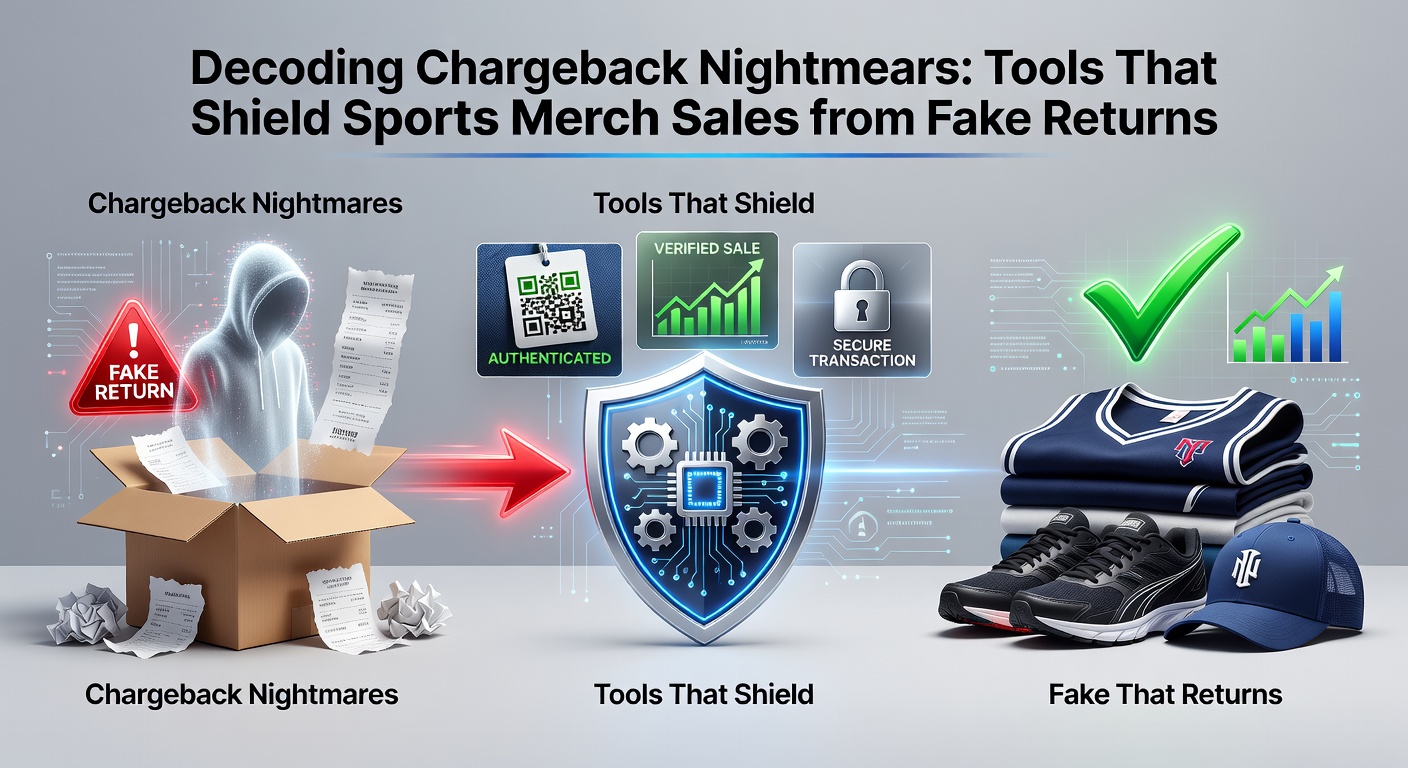
Address Verification Service (AVS) matches billing addresses against card issuer records, flagging mismatches before shipment; paired with CVV checks, it weeds out stolen details early, and studies find combo reduces disputes by 40%. So teams layer on 3D Secure protocols—Visa Secure or Mastercard Identity Check—where banks authenticate via one-time codes, shifting liability if fraudsters bypass.
But velocity checks take it further: systems monitor repeat buys from same IP or device, alerting on suspicious clusters like ten jerseys to one address in hours. Tokenization swaps card numbers for unique identifiers, minimizing breach impacts, while dynamic descriptors label charges clearly—"Team Store Jersey Purchase"—to jog memories and curb "I forgot" claims.
Here's where it gets interesting: AI-powered fraud engines from providers like Forter or Kount analyze 1,000+ data points per transaction—behavior, geolocation, even mouse movements—approving 95% of orders instantly while blocking risks. One NCAA-affiliated shop implemented this and slashed chargebacks 70% in a season, per their public case log.
Post-Sale Warriors: Alerts, Alerts, and Representment Muscle
Chargeback alerts hit before banks finalize reversals, buying time to upload proofs like signed deliveries or tracking; services automate this, compiling evidence packs that win 60-80% of fights, according to aggregated processor data. And representment tools? They auto-refile compelling cases, complete with timestamps and images, turning defense into offense.
Now consider prevention hybrids: customer recognition via email hashing flags serial disputers across merchants, while clear refund policies—posted boldly, with return labels watermarked—deter casual fakes. People who've deployed these report not just wins but fewer initial disputes, as transparency builds trust. Plus, integrating with platforms like Shopify or BigCommerce embeds checks seamlessly, scanning carts pre-checkout.
Case in point: a European soccer merch chain used radar-like monitoring from Sift, catching a ring filing 50 bogus claims; authorities traced it back, recovering goods, and the tools paid for themselves tenfold. That's the payoff—proactive nets save reactive pains.
Regulatory Tailwinds and Tech Horizons
Governments push back too; U.S. FTC guidelines urge robust fraud controls, while Australia's ACCC mandates scam reporting that feeds shared blacklists. In Canada, Payments Canada standards enforce faster dispute resolutions by 2025, pressuring banks to scrutinize claims harder. And across the pond, EU's PSD3 framework—rolling out phases through 2026—bolsters real-time payments with stronger SCA rules, cutting friendly fraud vectors.
By April 2026, expect AI to dominate: machine learning models trained on petabytes of transaction data will predict disputes pre-fulfillment, with quantum-resistant encryption shielding against evolving threats. Researchers at MIT already prototype systems blocking 99% of fakes without false positives, and sports retailers test betas now. Turns out, collaboration amplifies this—industry groups like the Sports Goods Manufacturers Association share anonymized intel, fortifying the ecosystem.
Yet adoption lags in smaller shops, where costs deter; grants from bodies like the U.S. Small Business Administration bridge gaps, ensuring even mom-and-pop fan stores gear up.
Conclusion
Sports merch thrives on passion, but chargeback nightmares erode edges unless countered smartly; from AVS basics to AI sentinels, layered tools decode fraud patterns, reclaim revenue, and safeguard inventories. Data confirms winners deploy these shields proactively—reducing losses 50-90% while keeping checkout friction low—and as April 2026 nears with regulatory boosts, the landscape tilts toward safer sales. Merchants who integrate now position ahead, turning potential pitfalls into protected plays.