Gearing Up Gains: MTB Clubs Cycle Through Concession Sales, Camp Registrations, and Custom Jersey Jobs
Gearing Up Gains: MTB Clubs Cycle Through Concession Sales, Camp Registrations, and Custom Jersey Jobs
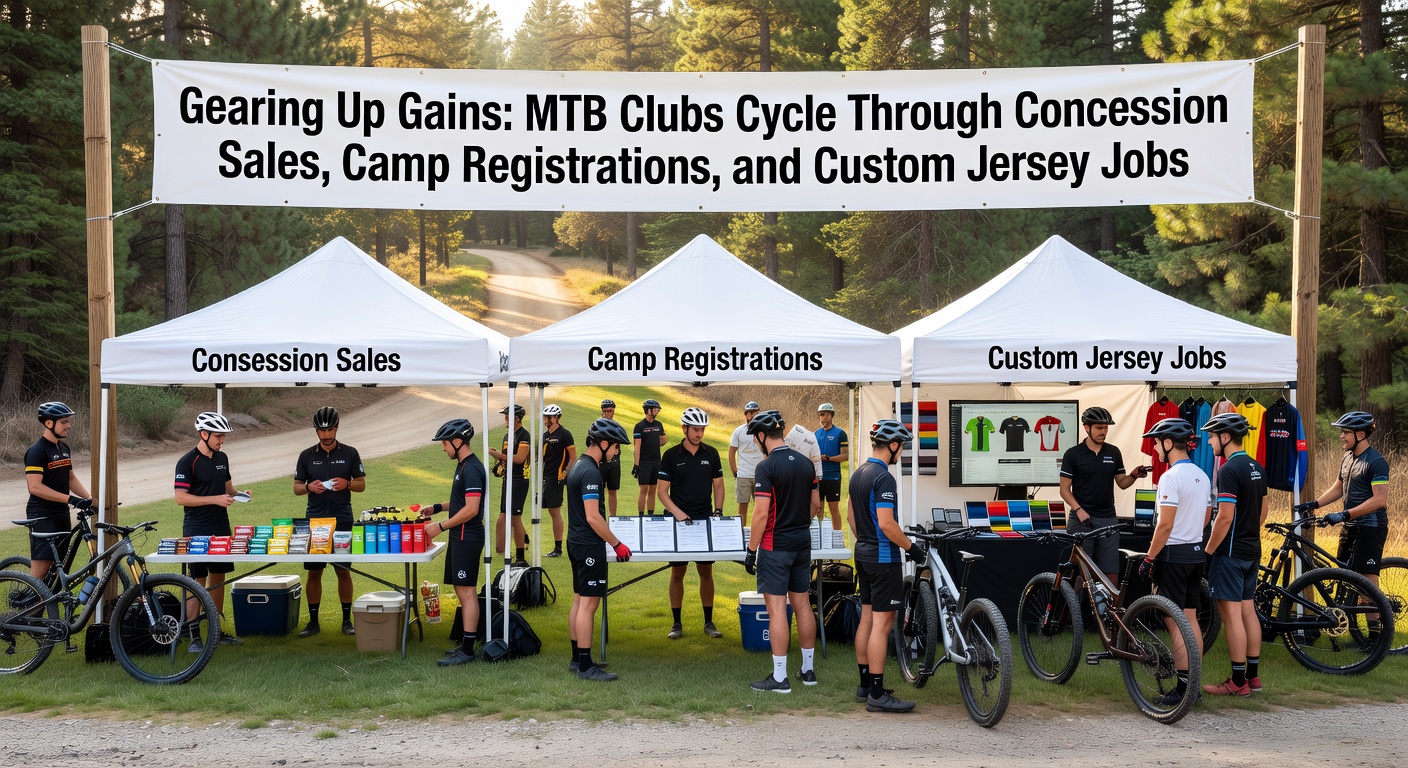
Trailside Treasures: How Concession Sales Fuel MTB Club Engines
Mountain bike clubs rely heavily on concession sales to keep wheels turning; riders grabbing energy gels, water bottles, and post-ride burgers at trailheads or race venues provide quick cash infusions that cover trail maintenance and event costs, while organizers note these stands often generate 20-30% of a club's annual revenue according to data from the International Mountain Bicycling Association.
Take one Colorado-based club where volunteers man pop-up stands during weekend group rides; they stock local brews alongside granola bars, pulling in $500 per event on busy days, and that's before factoring in the upsell of branded stickers that riders slap on their top tubes. But here's the thing: inventory management poses challenges, since perishable items like sandwiches spoil if events get rained out, yet digital point-of-sale systems help track sales in real-time, allowing clubs to adjust stock for peak hours when adrenaline-fueled packs roll in thirsty and hungry.
And during major gatherings like the Sea Otter Classic, concession revenue spikes dramatically; figures reveal smaller regional clubs netting $2,000-$5,000 over a weekend by partnering with food trucks, which share proceeds while handling the grilling, so clubs focus on slinging drinks and collecting tips in jars labeled for new jumps.
Campfire Cash: Registrations That Build Skills and Bankrolls
Skills camps emerge as a cornerstone for MTB clubs seeking steady income streams; these multi-day sessions teach cornering techniques, drop landings, and endurance riding to novices and vets alike, with registration fees ranging from $150 to $400 per rider depending on duration and coaching caliber, while data from USA Cycling indicates such programs contribute up to 40% of club budgets in peak summer months.
Organizers structure camps around local terrain, like the rocky singletracks of Utah's Wasatch Front where one club hosts women's-only weekends; participants pay upfront via online portals that handle waivers and gear lists seamlessly, ensuring spots fill fast since limited to 20 riders per coach, and that's where the rubber meets the road for revenue predictability. Yet weather can derail plans, although indoor alternatives like pump track clinics keep registrations rolling even when trails turn to mud.
What's interesting is how clubs bundle camps with perks; a Northwest group offers free lift tickets to partner resorts alongside skills drills, boosting sign-ups by 25% year-over-year, and parents appreciate the structured environment for youth riders who return home with newfound confidence on berms. So as April 2026 approaches with its spring thaw, clubs gear up for early-season camps, projecting higher enrollments amid rising interest in family-oriented MTB adventures.
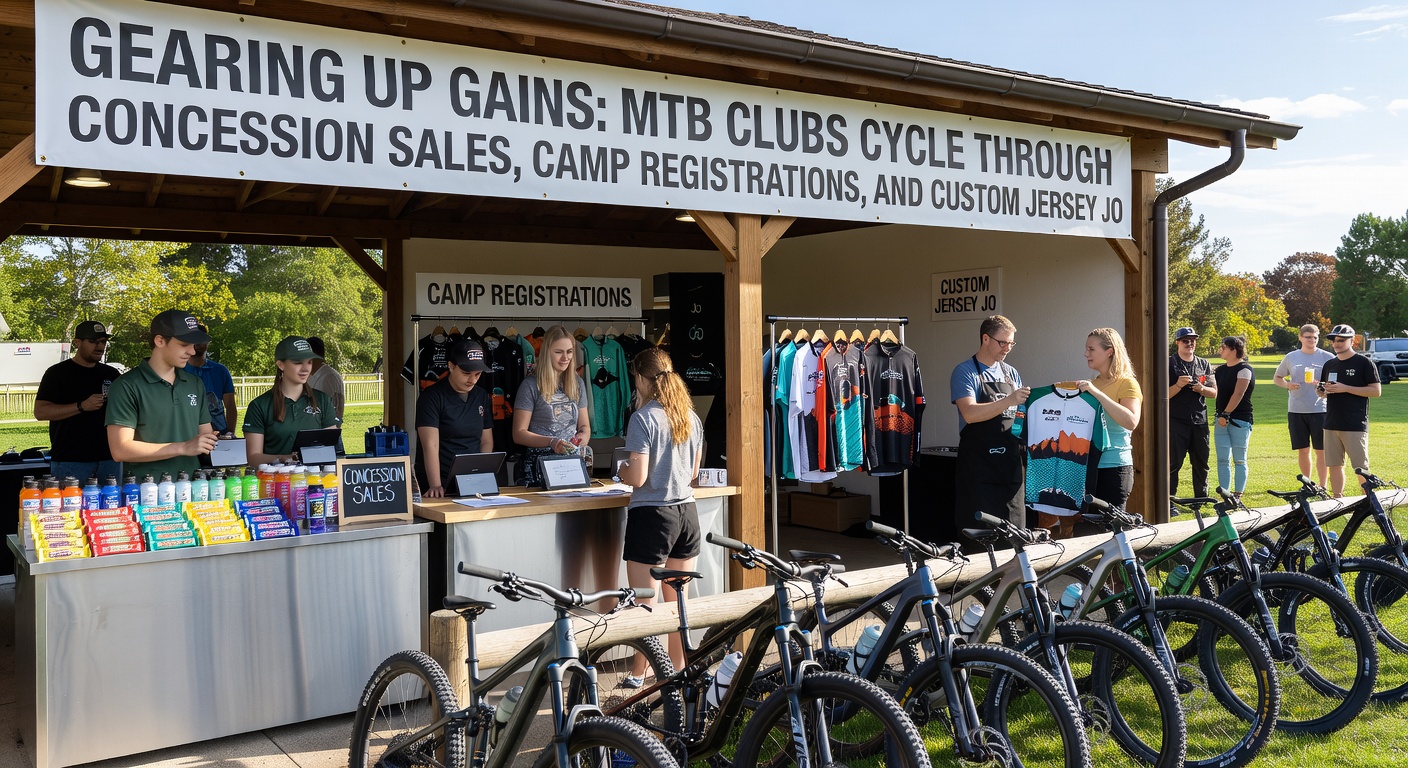
Jersey Jamboree: Custom Designs That Spin Profits
Custom jersey sales represent a high-margin avenue for MTB clubs chasing sustainable funding; riders crave personalized kits emblazoned with club logos, sponsor patches, and cheeky trail mottos like "Send It or Send Home," and production runs of 50-100 units often yield $10,000 in revenue at $80-$120 per jersey, per reports from Mountain Bike Australia.
Design processes kick off with member votes on colorways via social polls, followed by print-on-demand partnerships that minimize upfront costs; one California club iterated on neon accents after feedback from a recon ride, resulting in sell-outs within weeks, while inventory sits light since orders ship direct-to-rider. That's notable because it scales effortlessly for events, where pop-up shops at trail festivals move dozens alongside socks and bottle openers.
But clubs navigate sizing pitfalls carefully; exchanges eat into profits unless policies allow hassle-free swaps, and digital mockup tools let riders preview fits virtually, cutting returns by half according to industry trackers. Now picture a Midwest squad launching limited-edition jerseys for their annual 24-hour race; pre-sales fund the event itself, turning fabric into fuel for midnight laps under headlamps.
Integrating Streams: Tools and Tactics That Keep Clubs Rolling
Successful MTB clubs weave concession sales, camp registrations, and jersey jobs into unified systems; integrated platforms process payments across channels, from QR codes at stands to automated camp confirmations and jersey order forms, streamlining what once required separate ledgers and cash boxes. Observers note this approach reduces errors by 60%, with real-time dashboards revealing top sellers like electrolyte tabs during heatwaves or youth camp slots in family-heavy regions.
Case in point: a British Columbia club adopted mobile payment apps for all three; concessions scanned via phone during a muddy enduro, camps filled through event links shared on Strava, and jerseys dropped shipped post-race, netting $25,000 in a season that covered trail advocacy lobbying. Yet challenges persist, like seasonal dips when snow buries trails, although diversified online sales for virtual clinics and evergreen merch keep cash flowing year-round.
And as economic pressures mount, clubs lean on data analytics; heat maps from registration trends guide jersey themes toward popular motifs like maple leaf motifs up north, while concession logs predict stock for April 2026's anticipated trail reopening bashes. People who've scaled these operations often discover bundling works wonders; snag a camp spot and score 20% off a jersey, which lifts average transaction values without heavy discounting.
- Concessions thrive on impulse buys during rides.
- Camps build loyalty through hands-on progression.
- Jerseys foster identity, encouraging repeat club involvement.
Turns out, this trifecta not only pads coffers but strengthens communities; riders clad in matching kits cheer louder at events, munching club-sold snacks while plotting next camp's big lines.
Challenges on the Horizon and Proven Fixes
Regulatory hurdles shadow these revenue pursuits; sales tax compliance varies by state, with some mandating permits for concessions exceeding $1,000 annually, yet software automates filings to avoid penalties that could derail budgets. Theft at unattended stands poses another risk, although locked coolers and volunteer shifts mitigate losses effectively.
For camps, liability insurance covers wipeouts on jumps, and clubs mandate helmet checks at check-in; one study from a Canadian trail association found insured programs see 15% higher attendance due to parental peace of mind. Jersey jobs face fabric sourcing snags amid supply chain kinks, but domestic printers cut lead times, ensuring fresh stock for seasonal pushes.
So clubs adapt nimbly; digital waivers for camps integrate with payment confirmations, concession apps log inventory against weather apps, and jersey platforms handle custom tweaks without reprint fees. It's not rocket science, but execution separates thriving groups from those pedaling in place.
Conclusion: Sustainable Spins Ahead
MTB clubs masterfully cycle through concession sales, camp registrations, and custom jersey jobs to sustain trails and teams; data underscores their efficacy, with top performers reporting 70% of funds from these streams alone, while integration tools amplify efficiency across the board. As April 2026 brings warmer trails and packed calendars, expect more clubs to refine these tactics, turning dirt-flinging passions into enduring financial gears that keep the sport spinning forward for generations of riders.