How Automated Invoicing Supports Compliance Reporting in Nonprofit Youth League Finances
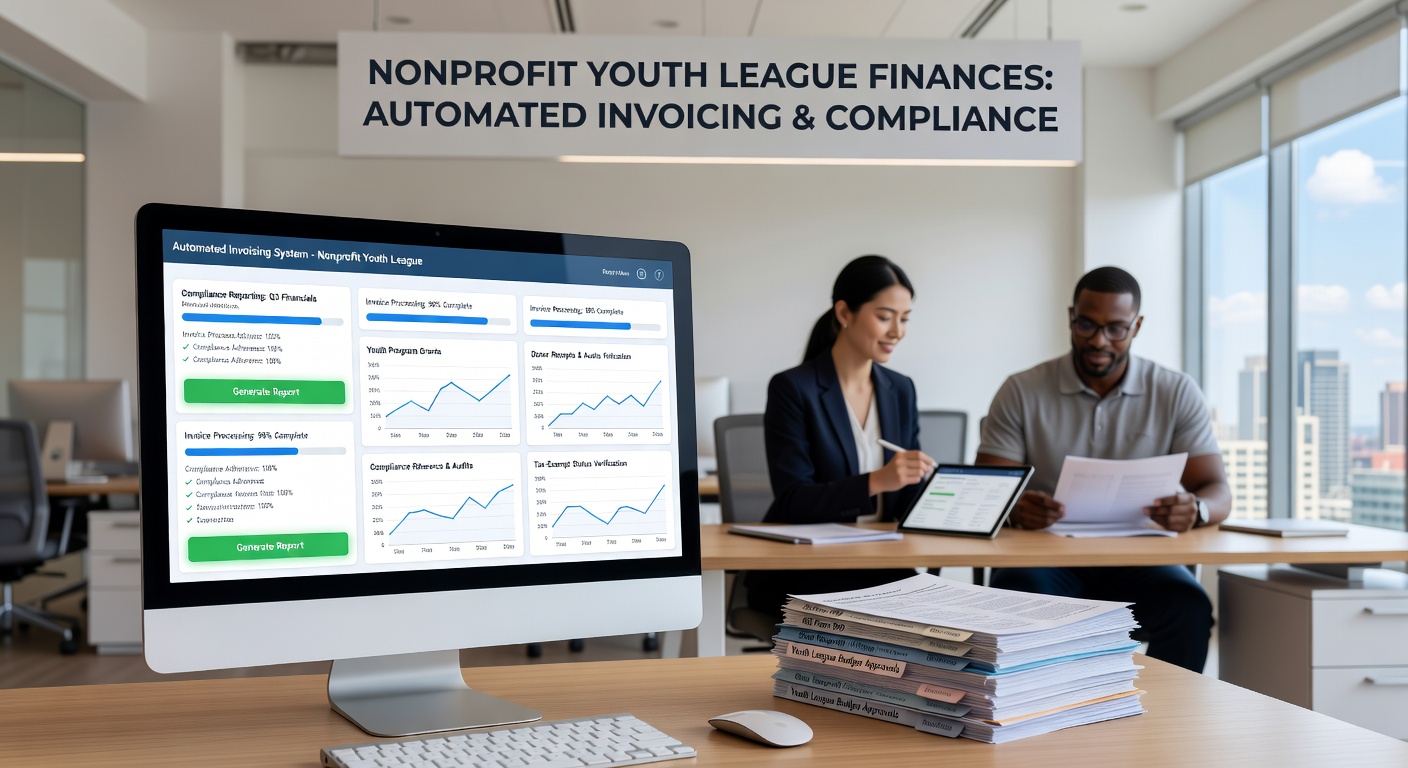 Nonprofit youth leagues handle registration fees, equipment purchases, and donor contributions throughout each season, and automated invoicing systems create detailed transaction records that feed directly into compliance reports. These platforms generate invoices with timestamps, payer details, and itemized amounts that align with requirements for annual filings such as Form 990. Data from multiple leagues shows that manual processes often leave gaps in documentation, whereas automated tools capture every entry at the point of transaction. Observers note that youth leagues operating in multiple states face layered reporting rules, and automated invoicing centralizes records so staff can pull reports segmented by jurisdiction. In May 2026 several regional athletic associations updated their grant reporting templates to require digital audit trails, and leagues using automated systems met those deadlines without additional staff hours. The records include payment dates, method types, and linked expense categories that satisfy both federal tax rules and state charitable solicitation laws.
Record Generation and Audit Trails
Automated invoicing platforms assign unique identifiers to each invoice and store supporting documents in linked folders. When a league collects membership dues or sells sponsorship packages, the system logs the full chain from invoice creation to payment confirmation. Researchers at nonprofit accounting programs have documented that such trails reduce the time auditors spend reconciling bank statements by up to forty percent in organizations of similar size. Leagues also use these systems to track restricted donations, and the software flags any invoice tied to a purpose-specific fund. Compliance officers can then export reports that list only those restricted transactions, satisfying donor agreements and regulatory expectations simultaneously. One study of mid-sized athletic nonprofits found that organizations with automated invoicing completed their restricted-fund reconciliations in half the time compared with spreadsheet-based methods.Integration with Tax and Grant Requirements
Youth leagues classified as 501(c)(3) entities must report revenue sources and functional expenses on annual returns. Automated invoicing categorizes income streams automatically, and the resulting data exports map to line items on Form 990. According to IRS guidelines on electronic recordkeeping, organizations that maintain machine-readable transaction files meet substantiation standards more readily than those relying on paper receipts.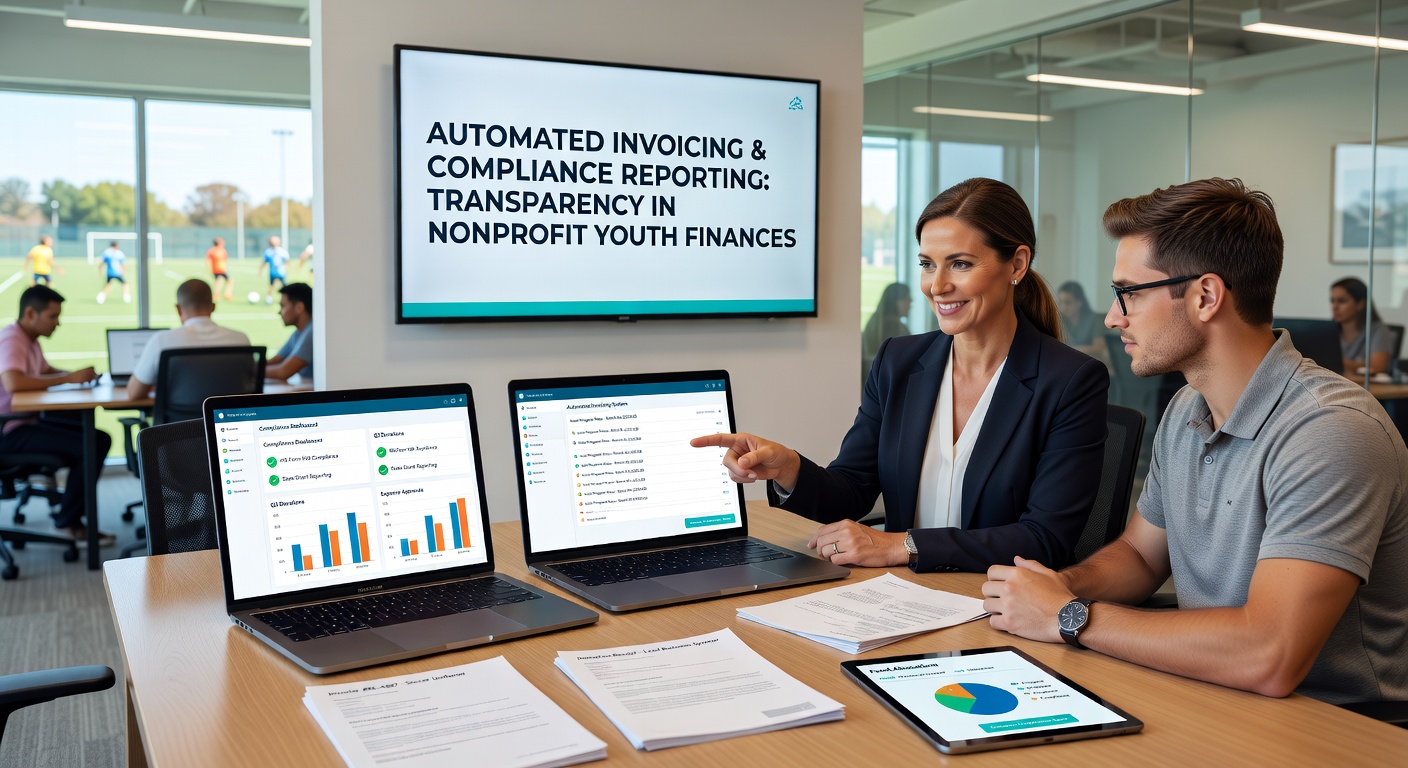 Grant-making foundations increasingly require digital evidence of fund usage, and automated platforms produce expense reports filtered by grant identifier. Leagues that receive federal or state grants export invoice-level detail showing exactly which program costs the funds covered. Canadian registered charities follow similar expectations under CRA guidance on electronic accounting records, and leagues operating across the border maintain separate ledgers within the same platform.