How Cloud-Based Reconciliation Systems Align Referee Stipends with Clinic Sign-Ups and Vendor Payouts Across Amateur Boxing Circuits
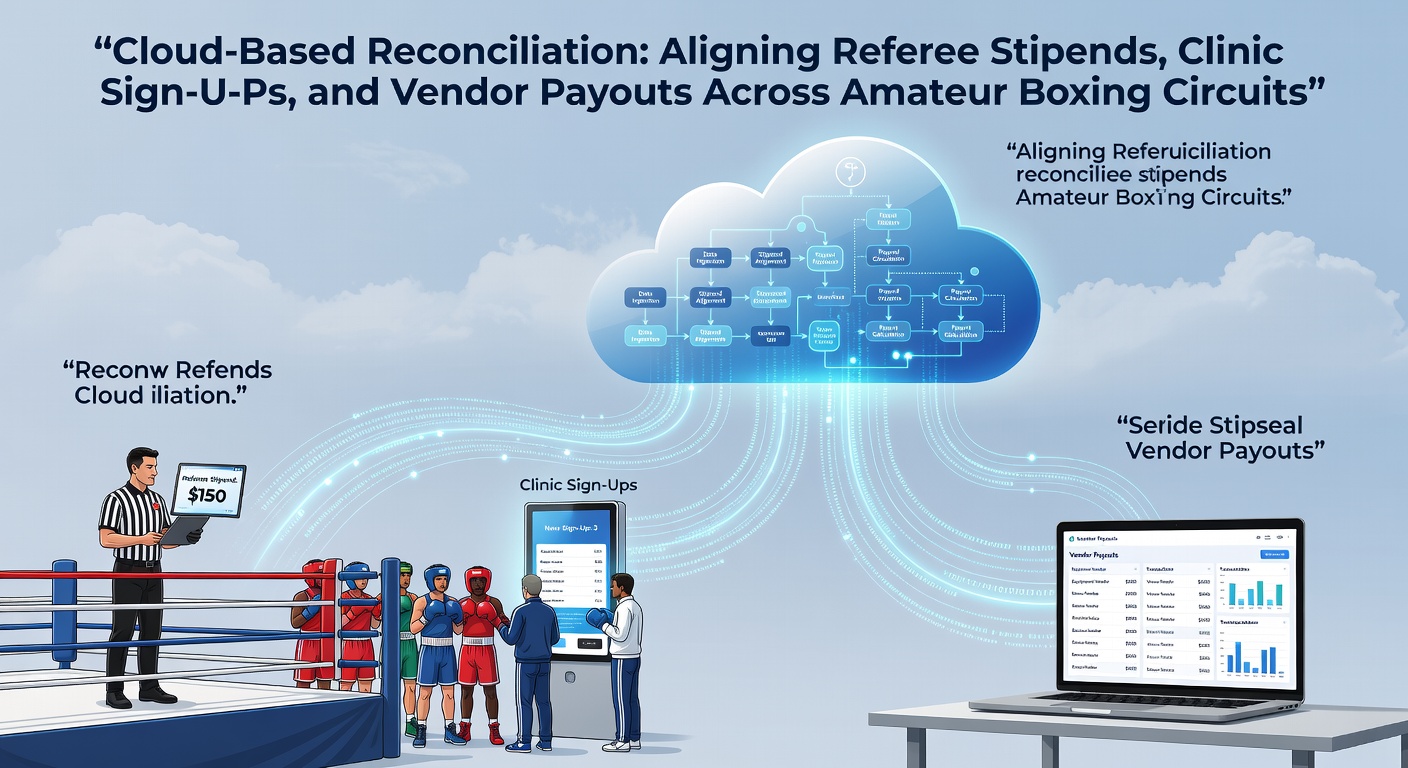 Amateur boxing circuits rely on precise financial coordination to keep events running smoothly, and cloud-based reconciliation systems handle the matching of referee stipends against clinic sign-up revenues plus vendor payouts in a single integrated flow. These platforms pull data from registration portals, payment processors, and expense logs, then apply automated rules that flag discrepancies before funds move. Observers note that regional boxing associations process hundreds of clinic entries each season, with fees collected upfront and stipends calculated based on certified hours worked. The systems cross-reference attendance records with banked payments, which reduces manual reviews and ensures referees receive compensation tied directly to verified participation numbers.
Core Mechanisms in Financial Alignment
Cloud reconciliation tools categorize incoming clinic sign-up funds into separate ledgers while simultaneously queuing referee stipends for release once event completion data uploads. Automated matching algorithms compare totals line by line, applying predefined formulas that account for tiered pay rates and clinic capacity limits, and they generate exception reports only when variances exceed set thresholds.
Those who manage circuit finances report that integration with third-party scheduling software allows real-time updates, so a late clinic cancellation automatically adjusts projected stipend amounts before payout batches finalize. Vendor invoices for equipment, venue supplies, and promotional materials enter the same workflow, where the platform verifies delivery confirmations against signed contracts prior to disbursement.
Handling Clinic Sign-Ups and Referee Compensation
Clinic sign-up modules capture participant details, payment method, and session preferences, then route collected amounts into escrow accounts that reconciliation engines monitor against upcoming referee assignments. When a clinic reaches minimum enrollment, the system releases proportional stipend allocations to assigned officials whose credentials match the event requirements, and it logs every transfer with timestamps for audit trails.
Data from multiple circuits shows that this approach cuts processing time for end-of-month closes by linking each sign-up record to specific referee time sheets uploaded through mobile apps. Referees receive notifications once their portion clears, while any unclaimed balances roll into reserve pools earmarked for future events.
Vendor Payout Integration Across Circuits
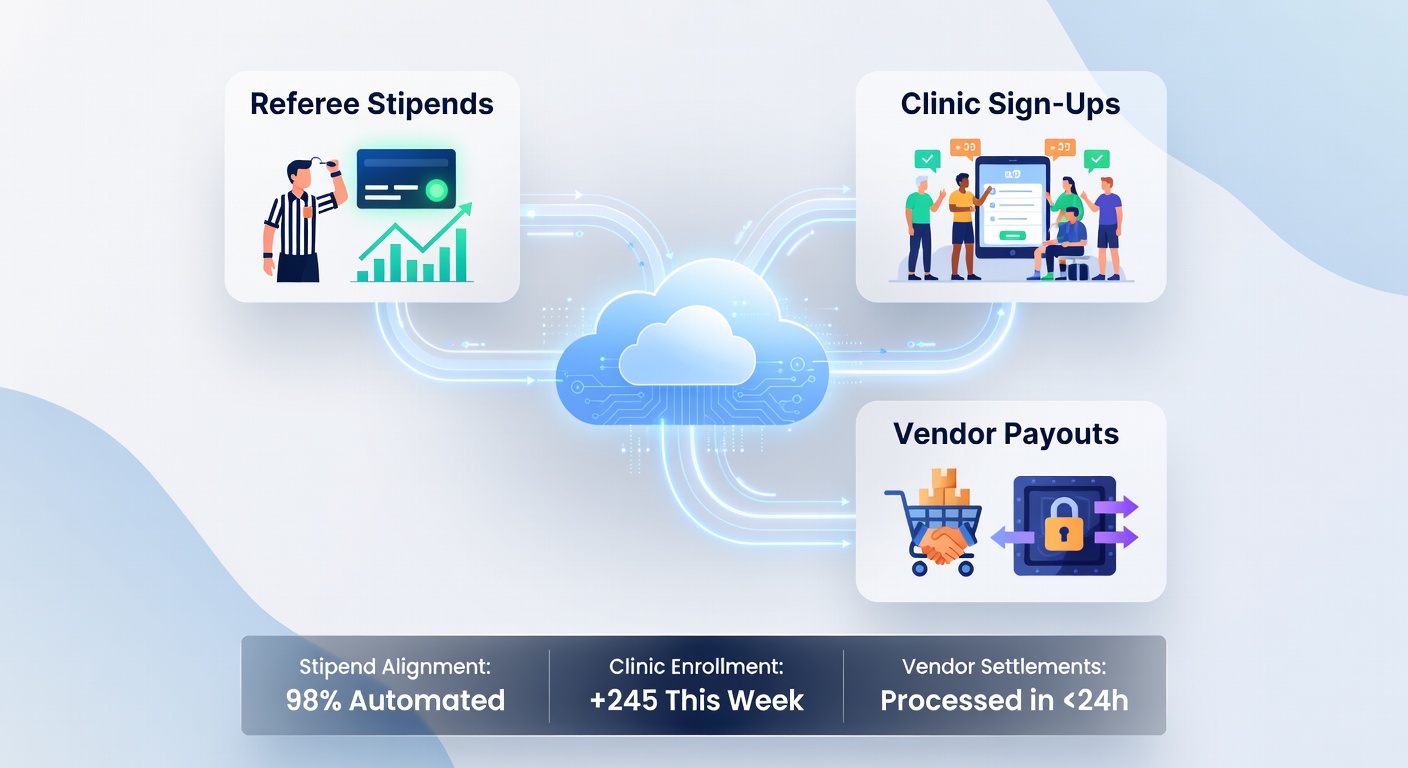
Vendors supplying gloves, headgear, and ring setups submit digital invoices that the reconciliation layer matches against purchase orders and delivery receipts before funds transfer. The same engines that handle referee stipends apply identical validation steps to vendor accounts, creating a unified cash outflow schedule that prevents overpayments when clinic revenues fall short of projections.
According to figures released by the Sport Canada program, amateur combat sports organizations that adopted cloud reconciliation recorded a measurable drop in delayed vendor settlements during the 2025 season. Circuit administrators gain dashboards that display remaining obligations alongside expected inflows from upcoming clinic registrations, allowing proactive adjustments without separate spreadsheets.
Operational Patterns Observed in June 2026
By June 2026 several North American and European circuits had expanded their cloud setups to include predictive analytics that forecast stipend loads based on historical clinic enrollment trends. These forecasts feed directly into cash positioning modules, which align projected vendor payouts with anticipated sign-up volumes weeks in advance.
One documented workflow involves a regional association that uploads referee certification updates nightly, then triggers automated stipend recalculations whenever new sign-ups push clinic headcounts above break-even points. Vendor contracts containing volume discounts receive priority matching, and the platform withholds partial payments until final attendance figures confirm the original order quantities.
Compliance and Record-Keeping Benefits
Regulatory bodies require detailed transaction histories for nonprofit status verification, and cloud systems maintain immutable logs that link every referee stipend, clinic fee, and vendor disbursement to source documents. Auditors access filtered views that isolate specific circuits or time periods, while automated alerts notify administrators of any unmatched entries before reporting deadlines arrive.
Research compiled by the National Sports Law Clearinghouse indicates that organizations using these platforms experience fewer compliance queries because reconciliation reports already satisfy standard documentation formats requested during annual reviews.
Conclusion
Cloud-based reconciliation systems create direct linkages between clinic sign-up collections, referee stipend calculations, and vendor payout schedules across amateur boxing circuits. The platforms deliver consistent data flows that support timely compensation, accurate vendor settlements, and streamlined compliance processes, with continued adoption expected as circuits scale operations into future seasons.