How Unified Platforms Track Participation Metrics Through Integrated Fee Handling in Regional Athletic Networks
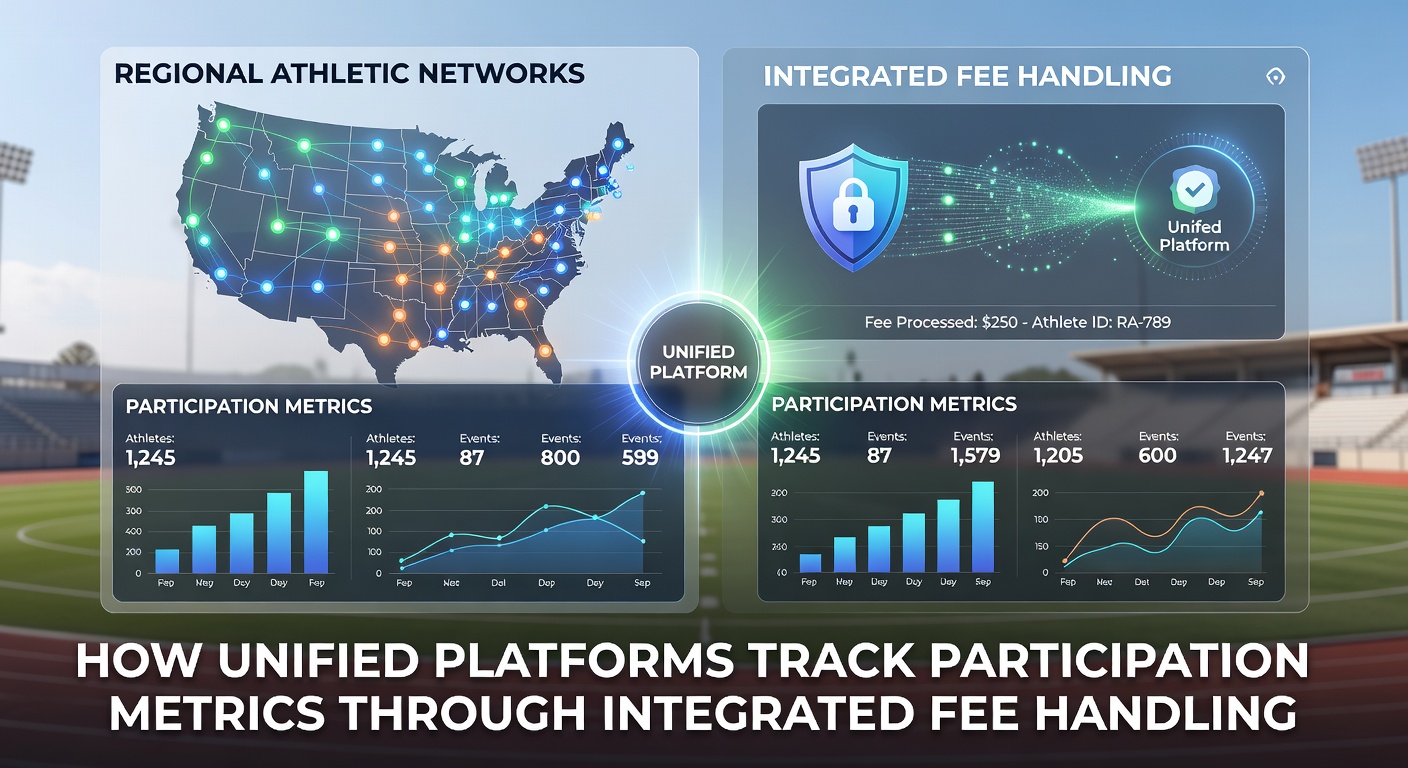
Regional athletic networks rely on unified platforms to manage fee collection for registrations, event entries, and memberships while capturing detailed participation data at the same time. These systems link every payment to individual profiles, which allows organizers to monitor attendance patterns, frequency of involvement, and demographic breakdowns without separate data entry steps. Observers note that this integration reduces manual tracking errors and provides real-time visibility into how athletes move through various programs across multiple locations.
Integration of Fee Handling With Participation Data
Unified platforms process payments for league fees or tournament registrations and immediately record associated metrics such as age category, skill level, and session attendance. Data flows directly from the transaction layer into analytics modules, which means every completed payment updates counts for total participants, repeat involvement, and regional distribution. Researchers have observed that this approach eliminates gaps between financial records and activity logs, creating a single source of truth for network administrators who oversee dozens of clubs and events.
Payment gateways within these platforms categorize transactions by event type, location, and participant group, then feed the details into dashboards that display trends over weeks or seasons. When a regional soccer network collects entry fees for weekend matches, for instance, the system logs each player's participation history and cross-references it with prior payments to calculate retention rates. This process happens automatically, which allows staff to focus on program adjustments rather than compiling spreadsheets from multiple sources.
Mechanisms for Metric Collection Across Regions
Platforms use standardized data fields tied to fee structures so that participation metrics remain consistent whether the activity occurs in urban centers or rural districts. Each fee category corresponds to specific tracking parameters, such as number of sessions attended or total hours logged, and these parameters aggregate into network-wide reports. Figures from various athletic associations reveal that networks adopting this method see clearer pictures of engagement levels across age groups and activity types because the data collection occurs at the point of payment.
Real-time synchronization between fee processors and metric databases supports alerts when participation dips in certain zones, prompting organizers to review fee structures or outreach efforts. One network spanning several counties implemented such alerts in early 2025 and tracked subsequent increases in junior program sign-ups through integrated reporting tools. The same systems handle recurring membership payments while updating lifetime participation totals, which helps administrators identify long-term athletes versus one-time participants.
Applications in Multi-Sport and Multi-Site Environments
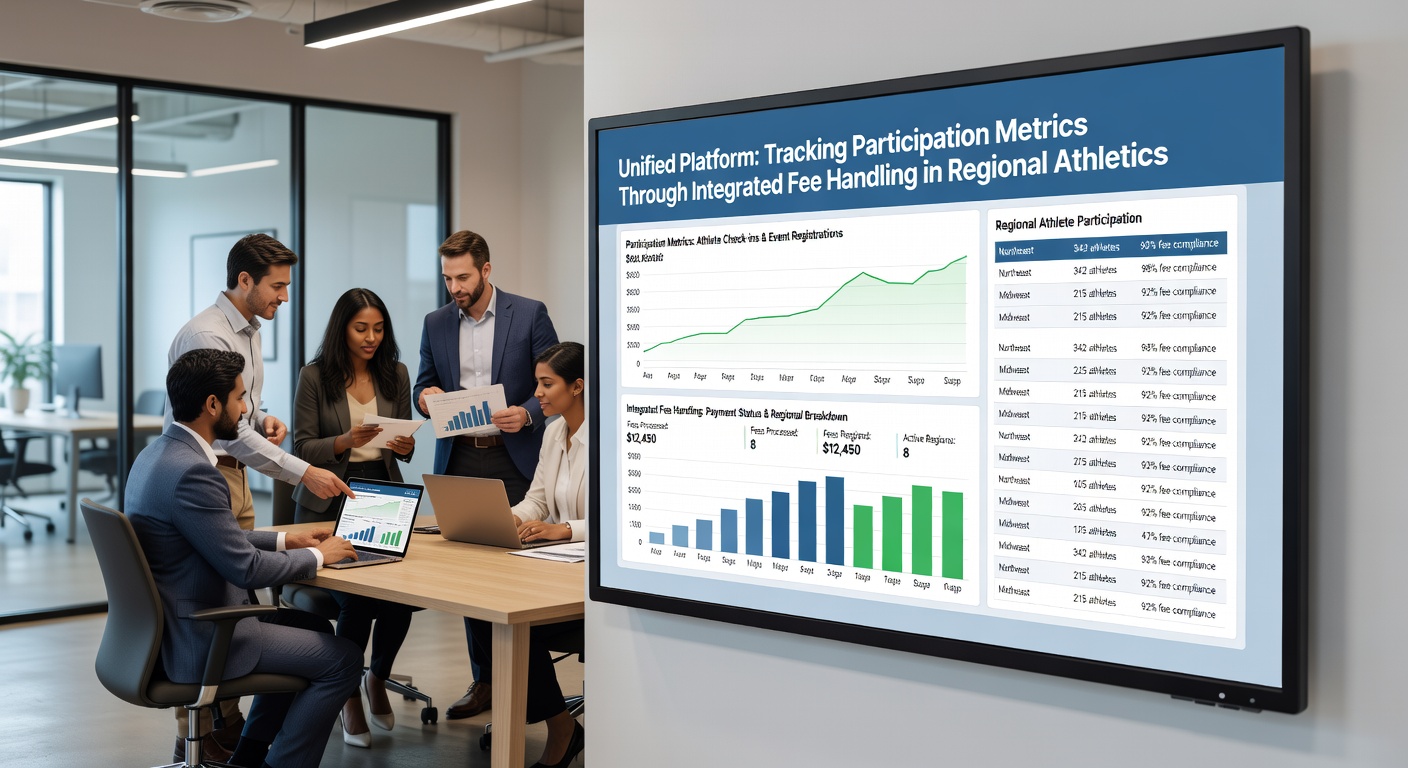
Regional networks that span several sports use these platforms to compare participation across disciplines without manual data merging. A single dashboard might show how many athletes pay for basketball clinics versus track meets, along with retention metrics derived from payment frequency. This cross-sport view supports resource allocation decisions, such as shifting coaching staff or equipment budgets based on actual involvement numbers rather than estimates.
Geographic tagging within the fee system allows networks to break down metrics by municipality or facility, revealing which areas drive the highest engagement. According to a 2025 report from Sport Australia, integrated platforms helped regional bodies identify underserved locations where participation lagged despite available programs. Networks in Canada have applied similar methods through partnerships with provincial sport organizations, where payment records feed into broader activity reports shared with government funding bodies.
Future Developments Scheduled for 2026
Platform providers plan expanded metric capabilities ahead of the 2026 summer seasons, including deeper integration with wearable device data linked to paid training sessions. In May 2026 several North American networks expect to pilot modules that connect fee payments directly to performance benchmarks, which could refine how participation quality gets measured alongside quantity. European regional bodies have scheduled parallel testing through collaborations with academic research groups focused on sports management systems.
Conclusion
Unified platforms continue to streamline how regional athletic networks convert fee transactions into reliable participation metrics. The direct connection between payment processing and data logging supports accurate tracking across diverse locations and activity types. As networks prepare for upcoming seasons, these integrated approaches provide the factual foundation needed for informed program planning and resource distribution.