Ledger Alignments in Hockey Federations Track Rink Slots, Pad Orders, and Pledge Renewals via Unified Dashboards
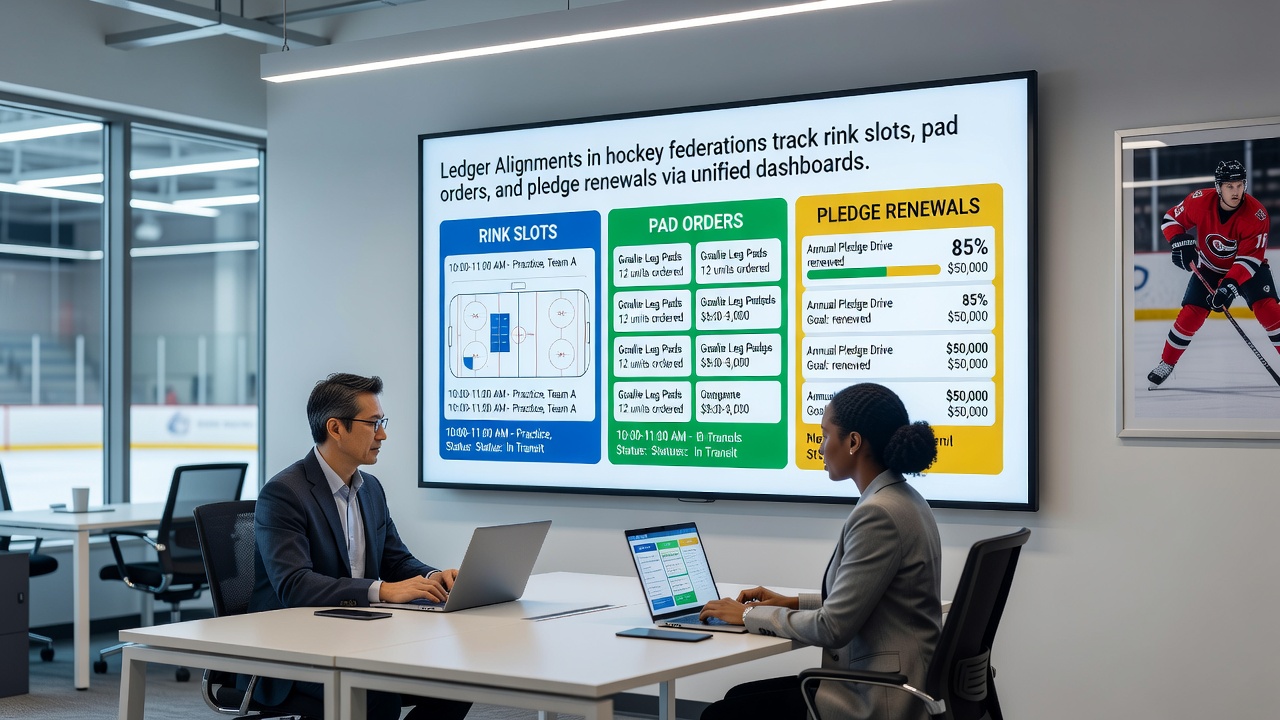
Unified dashboards have become central tools in hockey federations where teams must coordinate ice time reservations, protective equipment purchases, and recurring donor commitments across multiple locations and age groups, and data from regional associations shows these platforms reduce manual reconciliation errors by integrating inventory logs with financial records in real time.
Coordinating Rink Slot Reservations
Hockey federations manage rink slots through centralized calendars that link availability directly to payment ledgers, and observers note that this setup allows administrators to assign specific ice times to teams while automatically updating billing cycles for hourly rentals or seasonal blocks. Research from sports management studies indicates federations in North America handle thousands of such reservations annually, with dashboards pulling data from arena operators to flag conflicts before they affect schedules. In June 2026 updates from several Canadian leagues, integrated systems began incorporating weather-related rink closures into the same view, which connects availability changes straight to refund processing without separate entries.
Managing Pad and Equipment Orders
Goalie pads along with other protective gear represent significant inventory items that federations track alongside financial commitments, and experts have observed that unified platforms connect purchase orders to vendor accounts so that deliveries update stock levels and trigger corresponding ledger entries automatically. Those who've implemented these tools report fewer discrepancies between what equipment arrives and what gets recorded in budgets, since the dashboard pulls serial numbers and costs into one interface. A study from the Australian Institute of Sport on amateur sports logistics found that similar coordination cut processing delays for bulk orders by linking them to seasonal budget forecasts, allowing federations to plan ahead for replacements without separate spreadsheets.
Handling Pledge Renewals and Donor Tracking
Recurring pledges from supporters form another revenue stream that dashboards align with operational expenses, and figures from European hockey associations reveal that automated renewal reminders tied to participation metrics help maintain steady cash flow for rink bookings and gear acquisitions. Administrators use the same system to segment donors by renewal dates while cross-referencing contributions against program costs, which creates a clear audit trail for compliance reporting. What's notable is how these platforms connect pledge data to event participation so federations can verify that funds support specific initiatives like youth development clinics without manual cross-checks.
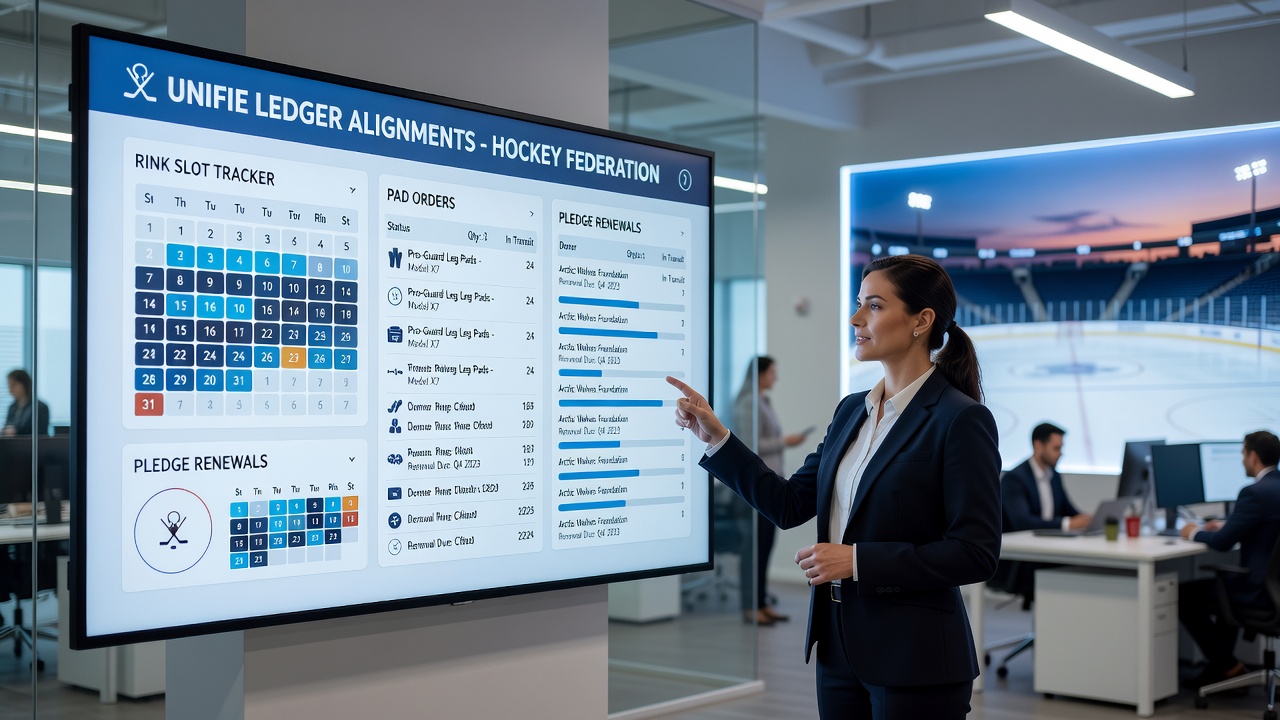
Integration Across Federation Operations
Multiple hockey organizations have adopted these dashboards to merge rink reservations with equipment procurement and pledge management into single reports, and data indicates that this reduces the time spent on month-end closings by connecting transaction streams directly. Federations in the United States often reference guidelines from the USA Hockey association when setting up these systems, while counterparts in other regions draw from comparable frameworks to ensure consistent tracking. Observers point out that real-time synchronization prevents situations where a rink slot gets double-booked or a pledge renewal falls out of sync with inventory restocking cycles.
Compliance and Reporting Benefits
Financial reporting requirements for nonprofit sports groups demand accurate records of all transactions, and unified dashboards support this by generating exportable reports that align rink usage fees with equipment expenditures and donor inflows. Research published through academic channels on sports governance highlights how such tools assist federations in meeting external audit standards without compiling data from disparate sources. In practice, the platforms flag variances between projected and actual costs for pad replacements or ice time, which helps maintain balanced ledgers across seasonal cycles.
Conclusion
Hockey federations continue to refine these dashboard systems as they scale operations across regions, and the ability to track rink slots alongside pad orders and pledge renewals in one place supports clearer financial oversight. Organizations adopting these methods see direct connections between operational bookings, inventory movements, and recurring revenue streams, which strengthens overall ledger alignment without relying on fragmented records.