Linking Seasonal Renewal Cycles with Vendor Payout Schedules Across Regional Archery Federations
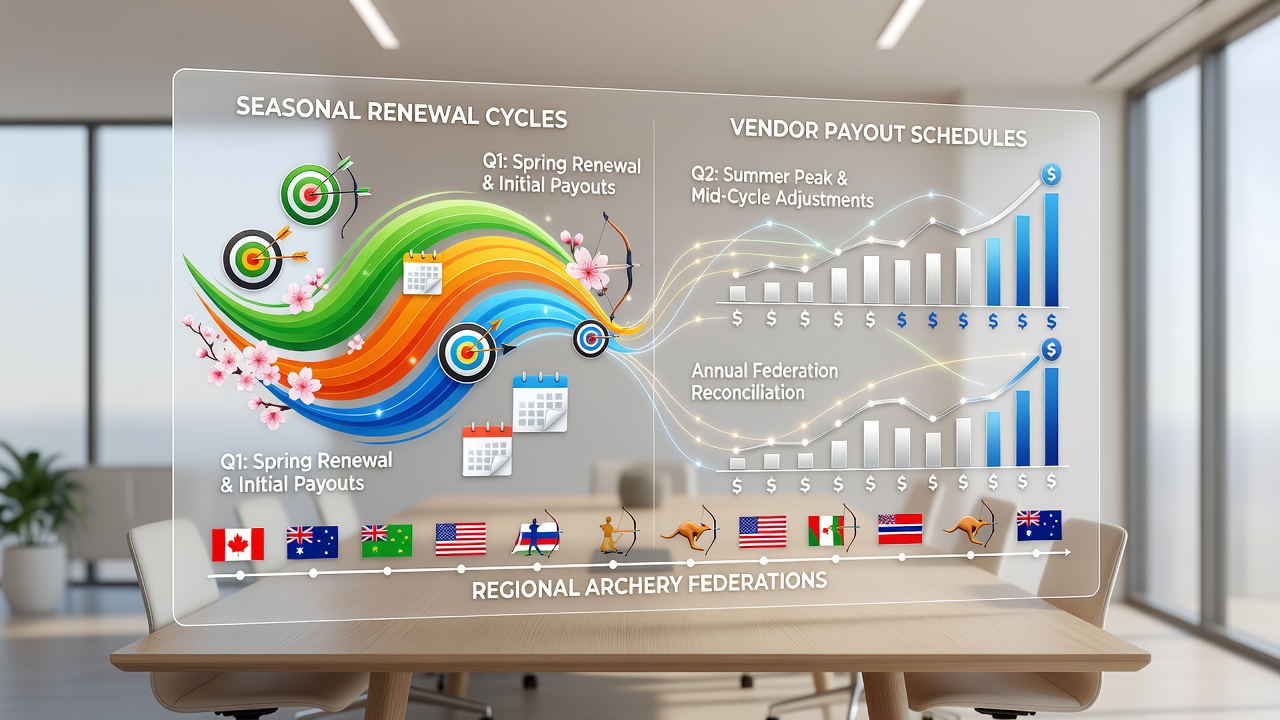 Regional archery federations coordinate membership renewal cycles with vendor payout schedules to maintain steady cash flow through equipment suppliers, event organizers, and training facilities. These alignments follow predictable patterns tied to outdoor seasons, competition calendars, and annual budgeting processes that repeat each year across different geographic areas. Archery activities concentrate in warmer months when outdoor ranges operate at full capacity, and federations typically open renewal windows in late winter or early spring to capture participant registrations before peak activity begins. Data from multiple federations shows that these renewal periods generate the bulk of annual revenue within a six-week window, creating a concentrated influx that administrators then distribute according to pre-set vendor agreements.
Seasonal Patterns in Archery Membership Renewals
Federations in temperate climates structure renewal cycles around the transition from indoor winter training to outdoor spring events, whereas organizations in warmer regions adjust timelines to avoid monsoon or extreme heat periods. Observers note that renewal notices go out approximately 60 days before the official start of the competitive season, allowing members time to complete paperwork while federations project total revenue for the coming year.
Vendor contracts often specify quarterly disbursements or payments tied to specific milestones such as tournament completions and equipment delivery dates. When renewal collections peak, finance teams release funds to approved vendors for targets, arrows, bow components, and safety gear so that supplies arrive before demand spikes. This synchronization prevents inventory shortfalls during high-usage months while keeping vendor relationships stable through predictable payment timing.Integration of Renewal Data with Payout Systems
Regional federations increasingly rely on shared digital platforms that connect membership databases directly to accounts payable modules, and these systems automatically flag upcoming renewal deadlines alongside scheduled vendor payments. When a federation processes a batch of renewals, the platform recalculates available funds and triggers payout approvals for vendors whose contracts include clauses requiring settlement within 30 days of confirmed revenue receipt.
Research from sports management studies indicates that federations using integrated tracking reduce late payment incidents by aligning cash inflows with contractual obligations. In June 2026 several federations across North America and Europe plan to launch synchronized cycles where renewal collections close on the 15th of the month and vendor payouts process on the 20th, creating a five-day buffer for reconciliation before funds leave federation accounts.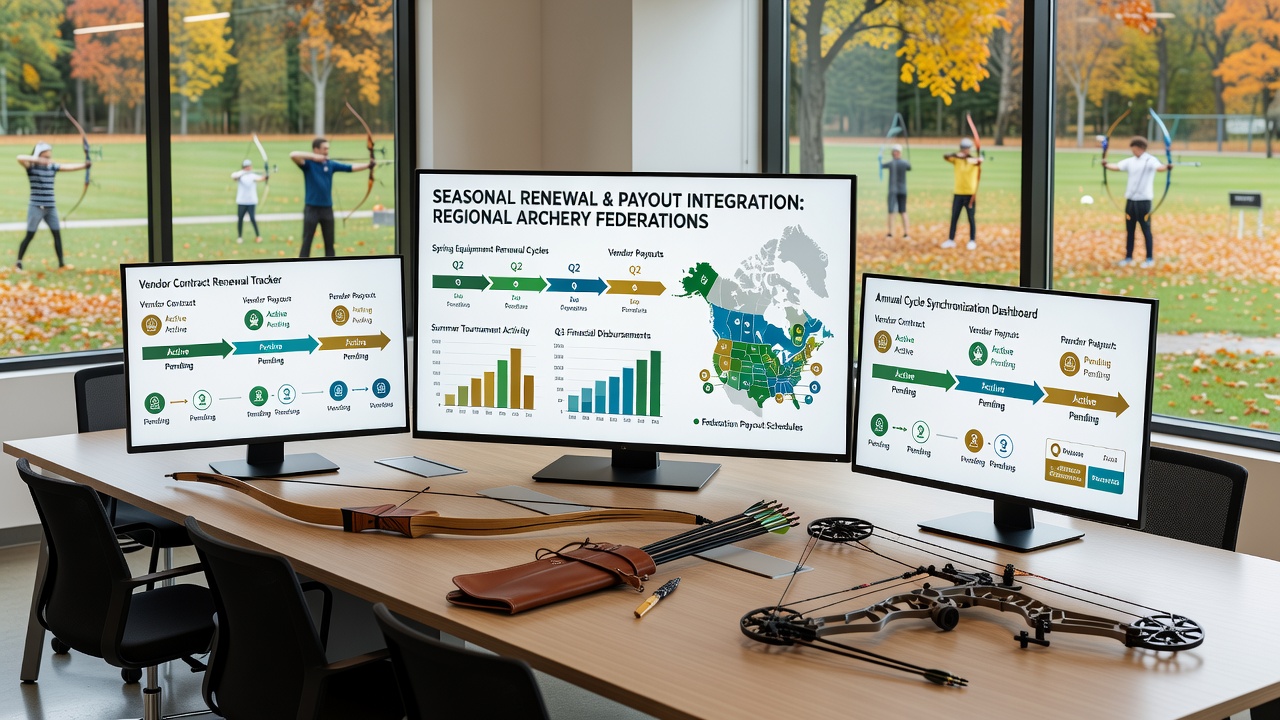
Regional Variations and Coordination Challenges
Federations operating across multiple provinces or states encounter additional layers of complexity because local regulations influence both renewal deadlines and vendor payment reporting requirements. Canadian organizations, for example, must align with provincial sport funding cycles reported through Sport Canada guidelines, while Australian federations coordinate with the Australian Sports Commission reporting calendar that emphasizes annual acquittal of grant funds against collected membership revenue.
One study conducted by a European university sports finance group found that federations spanning three or more regions experienced 18 percent fewer cash flow disruptions after implementing automated cross-referencing between renewal ledgers and vendor schedules. The same research highlighted that manual processes frequently created gaps where renewal money sat idle while vendors waited for scheduled payouts, increasing administrative overhead and occasional supply delays.Practical Examples from Operating Federations
Take the case of a Midwest federation that adjusted its renewal opening from February to March after vendors requested earlier confirmation of summer tournament equipment orders, and the change allowed payout processing to begin in April rather than May. Another federation in the Pacific Northwest linked renewal confirmations to a vendor portal that released partial payments upon delivery verification, reducing disputes over missing or damaged goods during the busy June through August period.
These adjustments demonstrate how federations treat renewal cycles as the primary revenue trigger that dictates when vendor obligations become due. Platforms handling both sides of the transaction maintain audit trails that satisfy nonprofit reporting standards while giving vendors visibility into expected receipt dates.Looking Ahead to 2026 Cycles
Planning documents circulated among regional archery groups indicate that June 2026 will mark the first widespread use of unified calendars that display both member renewal status and vendor payout windows on the same interface. Administrators expect this visibility to improve forecasting accuracy, particularly when external factors such as supply chain delays or changes in competition formats affect delivery schedules.
Federations continue to refine these linkages by incorporating feedback from past seasons, adjusting buffer periods between revenue collection and disbursement, and ensuring compliance with varying regional financial oversight rules. The result is a more predictable operational rhythm that supports consistent equipment availability and stable vendor partnerships throughout each archery season.Conclusion
Regional archery federations maintain operational continuity by aligning membership renewal cycles with vendor payout schedules, adn this coordination relies on shared data systems, contractual timing clauses, and region-specific regulatory awareness. As June 2026 approaches, federations prepare updated calendars that further tighten these connections while preserving the financial stability required for ongoing events and equipment supply. The practices described here reflect documented approaches already in use across multiple federations and represent ongoing efforts to synchronize revenue timing with expenditure obligations.