Managing Financial Streams in Fencing Organizations Through Digital Coordination of Lesson Fees, Competition Entries, and Protective Gear Orders
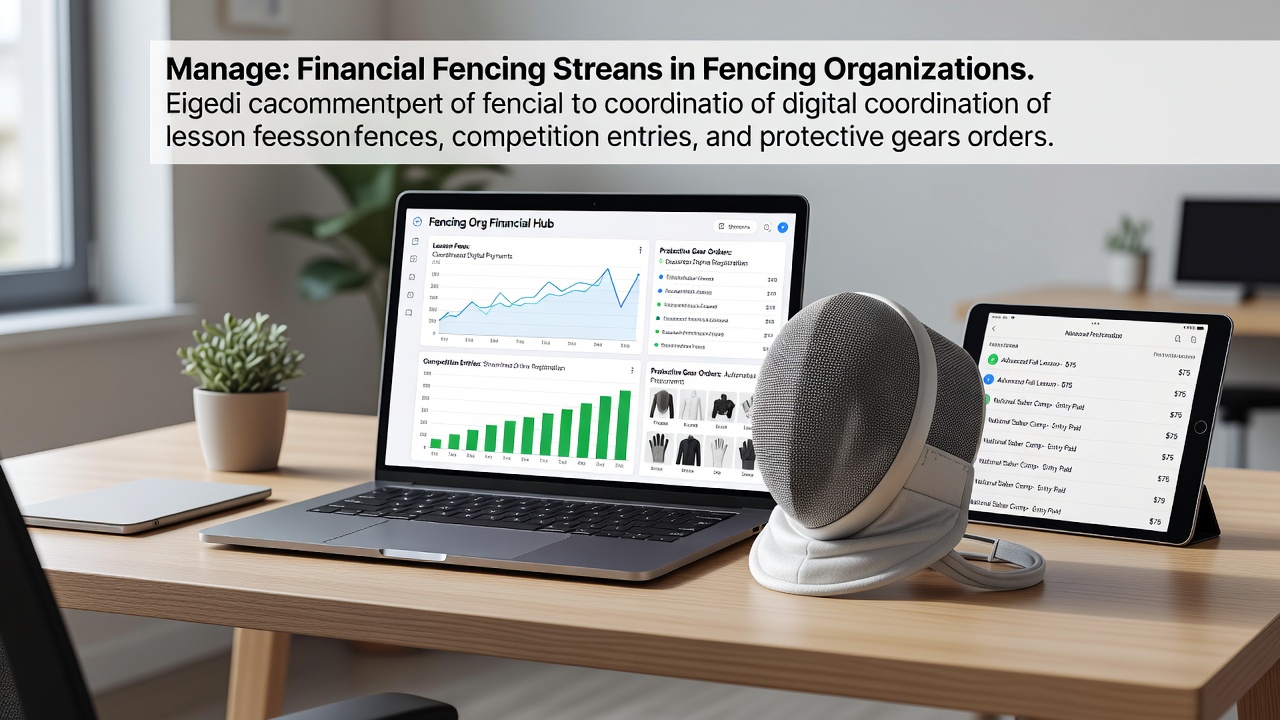
Fencing organizations manage distinct revenue channels that include lesson fees collected from training programs, entry payments submitted for local and international competitions, and orders placed for protective equipment such as masks, plastrons, and gloves, while integrated digital systems consolidate these flows into single dashboards that update balances and flag discrepancies automatically.
Lesson Fee Tracking Through Unified Platforms
Clubs schedule recurring lessons that generate monthly or per-session charges, and software solutions pull attendance data from check-in logs to generate invoices that parents receive through email portals or mobile apps, which reduces manual reconciliation errors that previously occurred when spreadsheets handled separate billing cycles. Observers note that many regional federations adopted these tools after 2023 audits revealed inconsistencies in fee collection rates, and data from the Fédération Internationale d'Escrime shows participation numbers rising steadily as transparent payment records encouraged more families to enroll without fear of hidden charges.
Coaches receive automated summaries that list which students have paid for upcoming blocks of instruction, allowing them to focus on technique rather than chasing payments, and integration with membership databases means a single profile update propagates across lesson schedules, competition eligibility lists, and equipment inventory alerts.
Competition Entry Coordination and Real-Time Updates
Entry systems for tournaments pull athlete rankings and age categories directly from federation records, calculate fees based on event type, and confirm registration once payment clears, which cuts the time between sign-up and confirmation from days to minutes in most cases. Organizers in June 2026 reported smoother operations at the European Youth Championships because digital platforms synchronized entry deadlines with payment gateways, preventing last-minute cancellations that once stemmed from unprocessed checks or lost paper forms.
Referees and volunteers access the same backend to verify that all competitors have completed required waivers and paid entry amounts, creating an audit trail that satisfies insurance requirements without additional paperwork collection at the venue.

Protective Gear Order Management and Inventory Links
Equipment suppliers connect to club platforms through APIs that display current stock levels of certified items, process bulk orders for clubs or individual purchases for members, and route payments into the same ledger used for lessons and entries, which eliminates the need for separate accounting files that once caused reconciliation delays at fiscal year-end. Research from the Australian Sports Commission indicates that organizations using such linked systems reduced administrative hours spent on gear procurement by approximately 35 percent over a two-year period.
Inventory alerts trigger when protective masks or gloves fall below set thresholds, prompting automated purchase requests that factor in both club budgets and anticipated competition calendars, so stockouts during peak seasons become less frequent than in previous manual ordering cycles.
Integration Benefits Across Multiple Streams
Single dashboards display combined cash positions that update as lesson invoices settle, competition entries process, and gear orders ship, giving treasurers visibility into net positions without exporting data between programs. According to findings published by the Sport Information Resource Centre in Canada, federations that implemented unified financial tools reported fewer discrepancies during annual compliance reviews because transaction histories remained intact and timestamped across all categories.
Automated reports break down revenue by source and compare actual collections against projected budgets, which supports grant applications that require evidence of diversified income streams. Those reports also flag outstanding balances across lessons, entries, and gear so staff can send targeted reminders rather than generic statements.
Compliance and Reporting Features
Nonprofit fencing groups operate under strict financial oversight rules that vary by jurisdiction, and digital platforms generate exportable files formatted for tax authorities or national sports bodies, which simplifies preparation for external audits. European federations, for instance, rely on systems that align with VAT reporting standards when gear sales cross borders, while North American clubs focus on 501(c)(3) documentation that tracks program service revenue separately from merchandise.
Role-based access limits who can view sensitive payment details, yet still allows coaches and event directors to confirm that participants have met financial obligations before competition day.
Conclusion
Fencing organizations continue to refine digital coordination methods that link lesson fees, competition entries, and protective gear orders into coherent financial pictures, and ongoing platform updates focus on expanding mobile access and adding predictive analytics that forecast cash needs based on upcoming event calendars. These systems provide the infrastructure that allows clubs to scale participation without proportional increases in administrative overhead.