Mapping Cash Streams in Volleyball Regional Circuits Through Clinics, Sponsors, and Kit Distributions
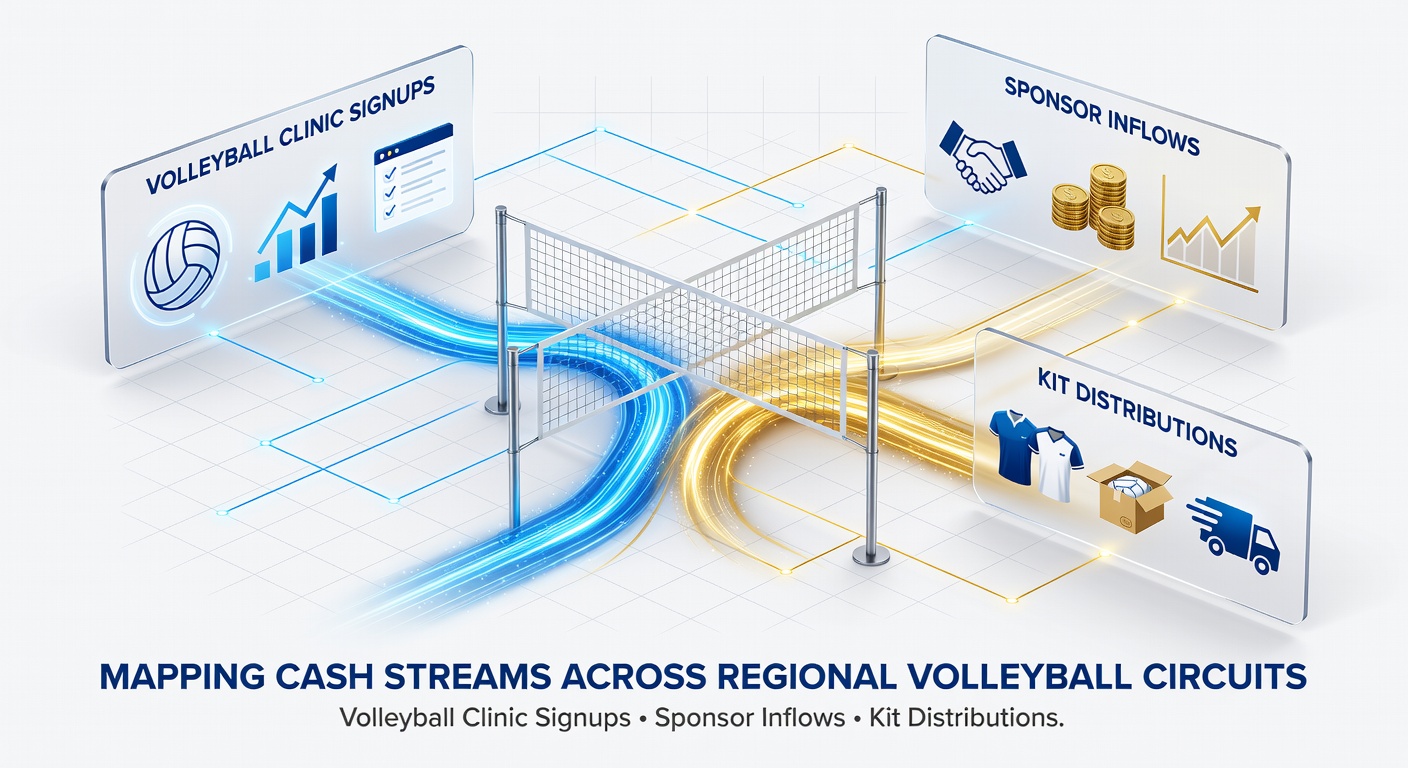
Regional volleyball circuits rely on coordinated financial tracking to manage inflows from clinic registrations, sponsor contributions, and equipment distributions across multiple age groups and competitive levels. Organizers coordinate these streams through digital platforms that log each transaction category while maintaining separation between participant fees, external funding, and inventory allocations. Data from circuit reports indicate that clinic signups account for a substantial portion of operational revenue, with registration volumes peaking during spring preparatory periods ahead of summer tournaments.
Clinic Signup Revenue Patterns
Clinic signups generate direct fees that cover facility rentals, coaching staff compensation, and basic administrative costs in most regional setups. Participants typically pay per session or through multi-week packages, and payment records show higher uptake for skill-focused sessions targeting middle school and high school athletes. Observers note that circuits in the Midwest and Southeast United States record the largest signup clusters during April and May, setting baselines for projected cash needs through the competitive season. Integrated systems timestamp each registration, apply tiered pricing based on age division, and automatically allocate portions toward insurance and certification requirements mandated by governing bodies.
Sponsor Inflows and Allocation Methods
Sponsor contributions enter circuits through structured agreements that tie funding to branding visibility at events and digital promotions. These inflows often arrive in quarterly installments or as lump sums tied to specific tournaments, allowing organizers to offset costs not covered by participant fees. Records maintained by regional associations demonstrate that local businesses and equipment manufacturers direct funds toward travel subsidies or facility upgrades rather than direct operational expenses. In June 2026 several circuits updated their sponsor portals to include performance metrics that link payment releases to attendance figures and social media engagement rates reported from prior events.
Kit Distribution and Inventory Cash Flows
Kit distributions involve both inbound purchases from manufacturers and outbound assignments to teams or individual athletes, creating a two-way movement of funds and physical goods. Circuits maintain separate ledgers for bulk jersey orders, practice apparel, adn specialized equipment such as knee pads or ball carts. Payment processing for these items occurs through purchase order systems that reconcile against delivery confirmations, reducing discrepancies between ordered quantities and received inventory. Figures from circuit audits reveal that kit-related expenditures frequently represent 20 to 30 percent of total seasonal budgets, depending on the number of participating clubs and the frequency of uniform replacements.
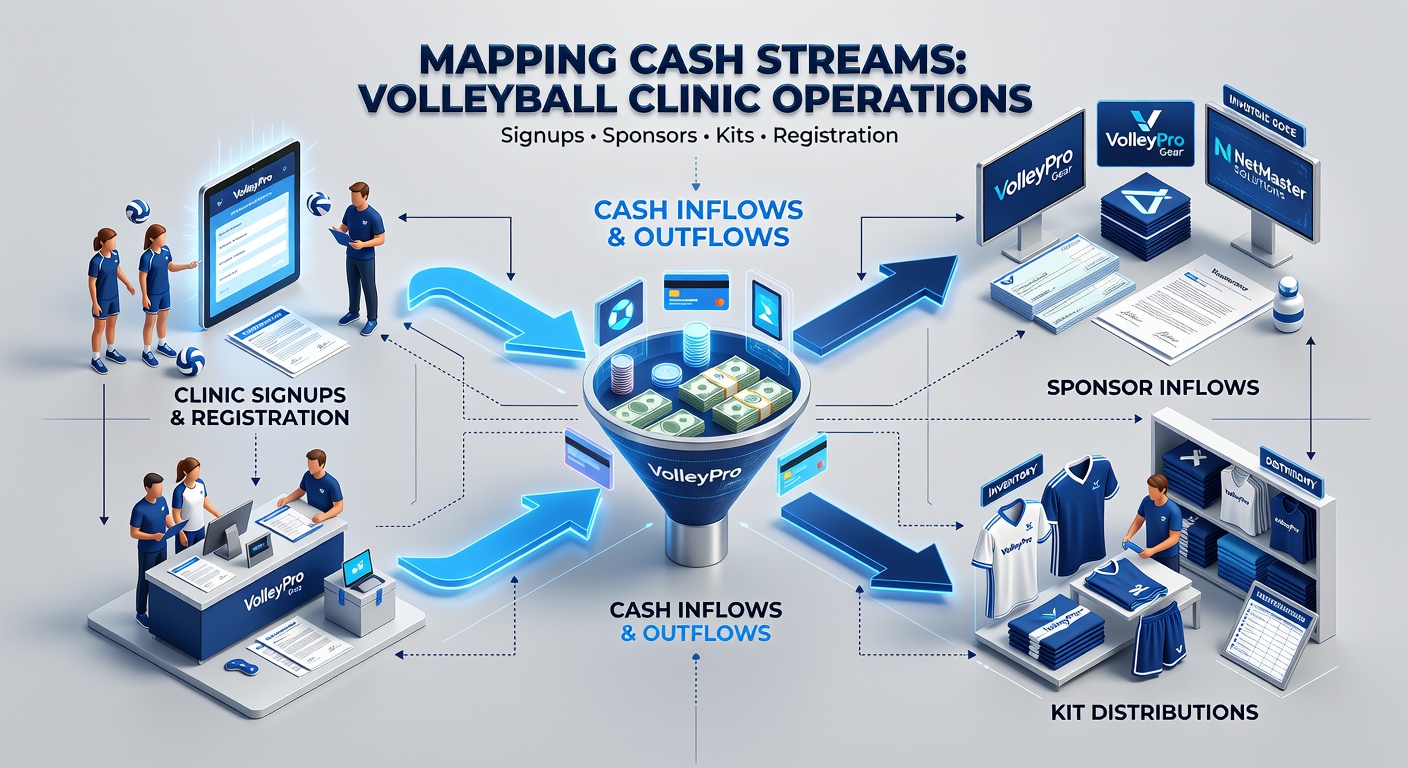
Regional organizers coordinate kit distributions through centralized ordering windows that align with sponsor payment schedules, ensuring that branded items arrive before key tournament dates. This sequencing prevents cash shortfalls because sponsor funds designated for apparel are released only after clinics confirm participant numbers. Those who manage multiple circuits report that digital reconciliation tools flag variances between kit orders and actual signups within days, allowing adjustments before final payments process.
Integrated Tracking Across Circuits
Platforms designed for amateur sports connect clinic registrations, sponsor contracts, and kit orders into unified dashboards that display real-time cash positions. These systems categorize each inflow by source while tagging outflows to specific line items such as coaching stipends or shipping fees. According to industry analyses published by the Sports & Fitness Industry Association, organizations adopting such platforms reduced reconciliation time by an average of 35 percent compared with spreadsheet-based methods used previously. Regional volleyball associations in Canada have implemented similar frameworks, drawing on guidelines from Sport Canada that emphasize transparent allocation of public and private funds across youth programs.
Cross-referencing participant lists with sponsor deliverables and kit assignments allows circuits to identify underfunded areas early in the season. For example, one circuit in the Pacific Northwest adjusted its clinic pricing tiers after data showed that sponsor commitments for kits exceeded projected registration revenue by 12 percent. Such adjustments maintain balance without requiring mid-season appeals for additional donations.
Reporting and Compliance Elements
Financial reports generated from these platforms feed into compliance documents required by state athletic associations and national governing bodies. Each category of cash flow receives distinct coding so that auditors can verify that clinic fees remain dedicated to program delivery rather than administrative overhead. European circuits affiliated with the Confédération Européenne de Volleyball apply parallel reporting standards that separate commercial sponsorships from participant contributions under EU transparency directives. These requirements encourage circuits to maintain audit-ready records that detail both timing and purpose of every transaction.
Conclusion
Mapping cash streams across volleyball clinic signups, sponsor inflows, and kit distributions enables regional circuits to maintain operational continuity while satisfying reporting obligations. Digital coordination of these elements supports accurate forecasting adn timely adjustments as participation levels and funding commitments shift throughout the year. Circuits that align their tracking practices with established association standards position themselves to sustain programming across successive seasons.