Multi-Sport Household Billing Cycles Sync Family Accounts Across Overlapping League Calendars in Regional Recreation Hubs
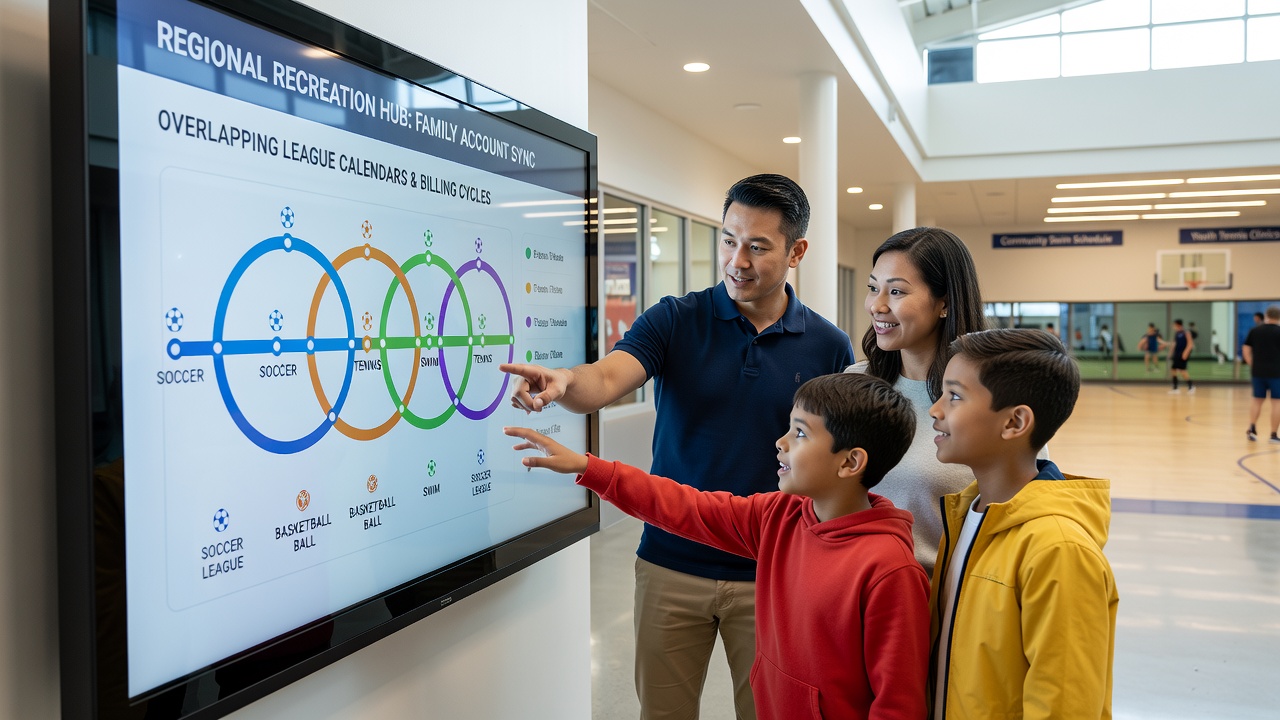
Regional recreation hubs now coordinate billing cycles for multi-sport households where families manage registrations across soccer, basketball, swimming, and track schedules that often overlap during fall and spring transitions. These systems align payment due dates with league calendars so that one household account tracks dues for multiple activities without duplicate entries or missed deadlines. Data from the Australian Sports Commission shows participation rates rising when families enroll children in three or more sports per year, which creates demand for unified invoicing that matches seasonal start dates in community facilities.
Overlapping Calendars Create Coordination Demands
League seasons rarely align perfectly, so a single family might face soccer registration in August while basketball tryouts open in September and swim team renewals occur in October. Recreation centers address this by maintaining shared calendars that feed directly into billing modules, which then generate one consolidated statement per household. Observers note that this approach reduces administrative errors because payment reminders trigger automatically when any linked league updates its schedule. In practice, regional hubs report fewer late fees when accounts pull start dates from all participating organizations rather than requiring parents to track separate portals.
Account Synchronization Across Multiple Leagues
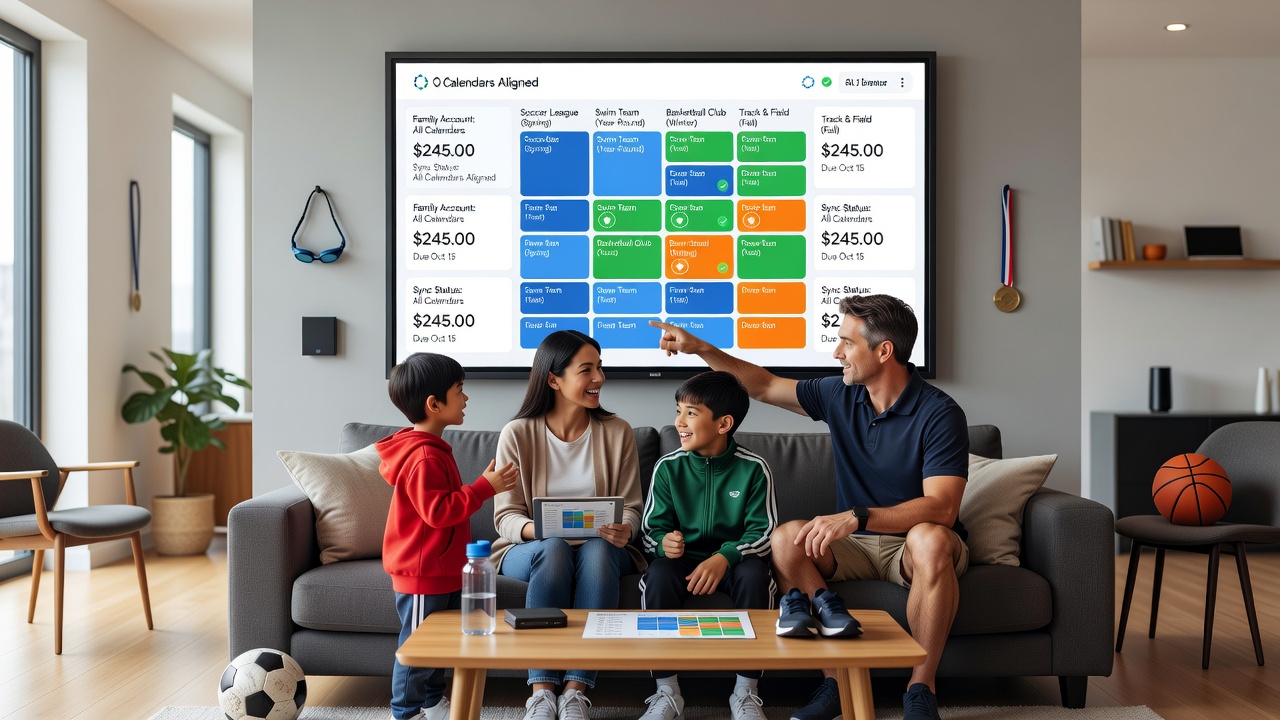
Family accounts operate through centralized dashboards that connect each child's league profile to a master billing record. When a new season opens, the system pulls the league calendar, calculates prorated fees based on start dates, and applies any existing credits from prior activities. Studies conducted by Sport Canada indicate that households using synchronized platforms complete registrations 40 percent faster than those managing separate logins. The process works by assigning unique identifiers to each child while routing all charges through the primary household contact, which keeps records consistent even as calendars shift between winter indoor programs and summer outdoor offerings.
Regional Hubs Implement Unified Payment Structures
Many recreation centers now operate on platforms that merge recurring payments with one-time event fees. A household might pay a monthly facility access charge that covers multiple leagues while separate invoices handle tournament entries or equipment deposits. These structures rely on calendar synchronization so that billing pauses or adjusts when a league season ends early due to weather or facility maintenance. Figures from the National Recreation and Park Association reveal that centers adopting this model process an average of 2.3 sports per child without increasing staff workload because automation handles date matching and proration calculations.
Examples from Active Regional Networks
Take one midwestern recreation district that integrated its soccer and volleyball leagues into a single household portal by July 2026. The system automatically adjusted billing when the volleyball calendar extended two weeks due to playoff scheduling, which prevented families from receiving duplicate charges. Another network in the Pacific Northwest links swim club renewals with youth lacrosse registrations, allowing parents to set one payment schedule that distributes funds across both organizations according to their respective start dates. These cases demonstrate how calendar data flows directly into account ledgers, creating a single view of upcoming obligations rather than fragmented notifications.
Technical Mechanisms Supporting Calendar Alignment
Platforms achieve synchronization through API connections between league management software and the central billing engine. Each league uploads its season dates, which the system then maps against household enrollment records to generate accurate invoice timelines. When calendars change, updates propagate immediately so that prorated adjustments appear on the next statement. Research from the University of Queensland's sport management program highlights that such integrations cut reconciliation time for recreation staff by nearly half because all transactions reference the same master calendar. The architecture also supports different payment frequencies, allowing some leagues to bill monthly while others collect season totals upfront.
Reporting and Compliance Benefits for Hubs
Consolidated accounts simplify financial reporting because transaction histories aggregate by household rather than by individual league. Centers generate compliance documents for grant funding or tax filings with fewer manual cross-checks since all charges route through one system. Regional auditors find these records easier to verify when payment dates align with published league calendars, reducing discrepancies that arise from staggered billing cycles. Observers note that this transparency helps hubs maintain accurate participation counts even when families move children between sports mid-year.
Conclusion
Regional recreation hubs continue expanding synchronization tools that connect multi-sport household accounts with overlapping league calendars. These systems rely on shared data structures and automated date matching to produce unified billing statements. Evidence from government and academic sources confirms that coordinated platforms support higher multi-sport participation without increasing administrative overhead for centers or families. As more leagues adopt compatible scheduling formats, the capacity for seamless account management grows across additional activity types and seasonal transitions.