Navigating Digital Shifts in Pickleball Clubs for Court Access Fees, Paddle Transactions, and Community Support Allocations
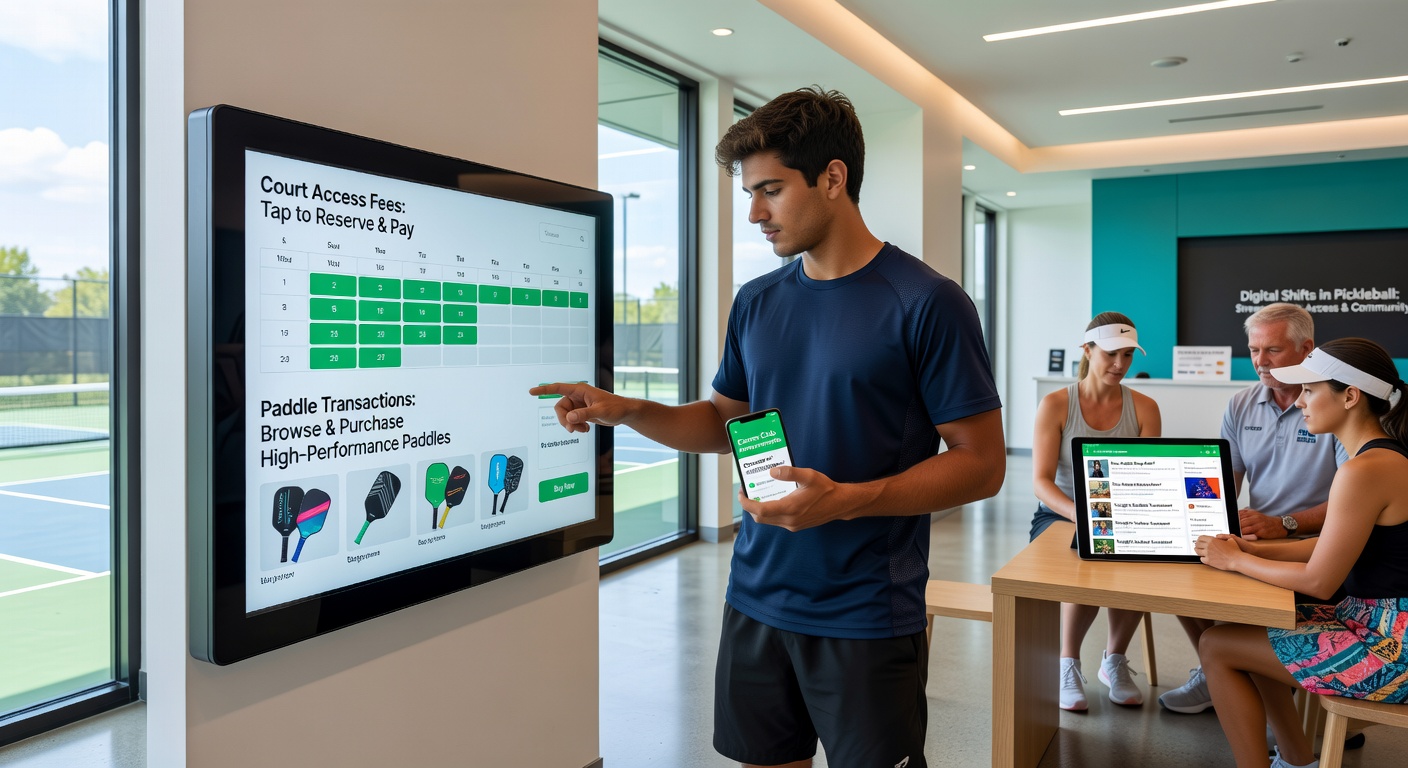
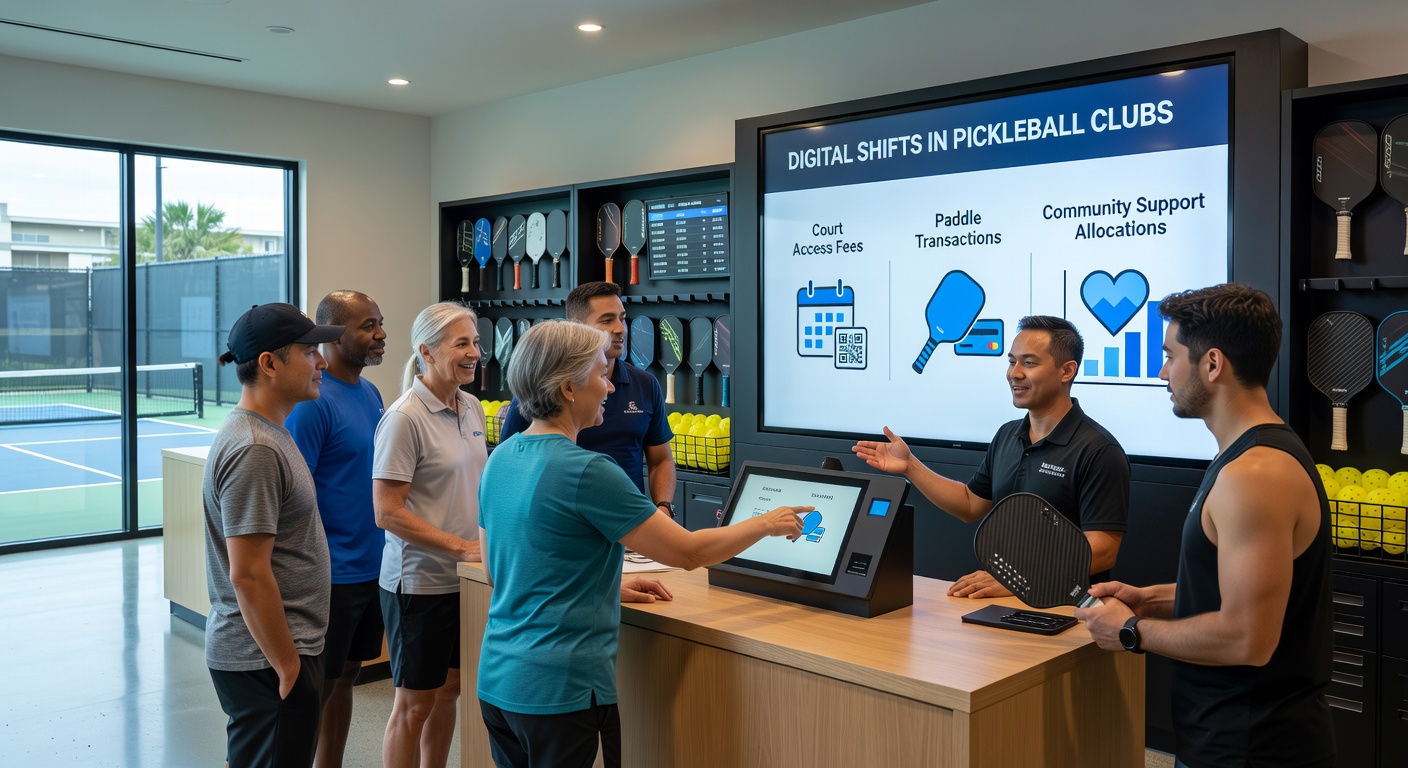 Pickleball clubs across North America and beyond continue to adapt their operations as digital platforms reshape how court access fees get collected, paddle transactions occur, and community support allocations flow to local programs. Data from industry analyses shows steady growth in the sport, with participation numbers climbing through 2025 and projections extending into May 2026 when several regional associations plan updated guidelines for online management tools. These shifts allow clubs to handle payments more efficiently while reducing administrative overhead that once relied on cash or check systems. Court access fees represent one of the primary revenue streams for most facilities, and digital integration has changed the process from manual sign-ins to automated reservations. Clubs now use software that lets members book time slots in advance, pay online, and receive confirmations via email or app notifications. Observers note that this approach cuts down on no-shows because reminders get sent automatically, and late cancellations trigger partial refunds according to club policies. Research indicates that facilities adopting these systems report higher utilization rates during peak hours, particularly in urban areas where demand outpaces available courts. Paddle transactions have moved online as well, with clubs managing sales of equipment through integrated storefronts rather than physical pro shops alone. Members can browse inventory, compare models, and complete purchases that include options for customization or bulk orders for teams. Transaction records update in real time, which helps staff track stock levels and reorder popular items before shortages develop. Figures from sports equipment distributors reveal that digital sales channels account for an increasing share of paddle revenue, especially as players seek gear suited to different skill levels and playing styles.
Streamlining Payments and Reducing Friction
Community support allocations benefit from the same digital infrastructure that handles fees and sales. Donations from members or local businesses route directly into designated funds, with transparent tracking that shows how resources support junior clinics, court maintenance, or outreach events. Clubs often set up tiered contribution levels that unlock perks such as priority booking or event access, and automated reports keep organizers informed about totals collected each quarter. According to data shared by regional sports bodies, these systems improve accountability because every allocation appears in accessible dashboards rather than scattered spreadsheets.
Take one club in the Midwest that implemented a unified platform in early 2025. Court reservations, paddle purchases, and donation drives all feed into the same system, which generates monthly summaries for board review. Staff report fewer errors in fee collection, and members appreciate the ability to view their personal transaction history at any time. Similar setups appear in clubs on the West Coast and in parts of Canada, where cold weather seasons prompt more indoor court bookings managed entirely through apps.
Regional Variations in Adoption
Adoption patterns vary by region. European clubs, influenced by guidelines from the European Pickleball Federation, emphasize data privacy standards when rolling out payment portals, while Australian facilities draw from Sport Australia resources to integrate booking tools with broader community grant programs. In both cases, the focus remains on reliable record-keeping that supports audits and long-term planning. What's interesting is how smaller clubs leverage the same tools as larger organizations, often starting with basic modules for fees and expanding later to include paddle sales and allocation tracking.
Security measures form a key part of these platforms. Encryption protocols protect card details during transactions, and two-factor authentication reduces unauthorized access to member accounts. Clubs that handle high volumes of court access fees appreciate the fraud detection features that flag unusual patterns, such as repeated failed payments from a single device. Industry reports from Canadian recreational associations highlight that these safeguards build trust among participants who might otherwise hesitate to share financial information online.
Looking Ahead to 2026
By May 2026, updates to several national association platforms are expected to introduce enhanced analytics that compare court utilization across different times and days. Paddle transaction data could integrate with supplier APIs for automatic restocking suggestions, and community support allocations might tie into broader sponsorship matching programs. Those who have studied these trends observe that the underlying goal stays consistent: create seamless experiences that keep players focused on the game rather than paperwork.
Training for club volunteers and staff accompanies each new rollout. Workshops cover how to interpret dashboards, process refunds, and generate reports for grant applications. The result is a more informed volunteer base that understands revenue flows without needing specialized accounting backgrounds. External partnerships with payment processors ensure compliance with varying regional regulations, from tax reporting requirements in the United States to consumer protection rules in the European Union.
Conclusion
Digital shifts in pickleball clubs continue to connect court access fees, paddle transactions, and community support allocations into unified workflows. The patterns emerging from facilities that have made these changes show measurable improvements in efficiency and record accuracy. As more organizations adopt these approaches ahead of 2026 planning cycles, the emphasis remains on reliable systems that scale with growing participation while maintaining clear oversight of every financial movement.