Piecing Together Club Cash Flow: How Integrated Platforms Manage Entries, Purchases, and Recurring Contributions for Youth Soccer Organizations
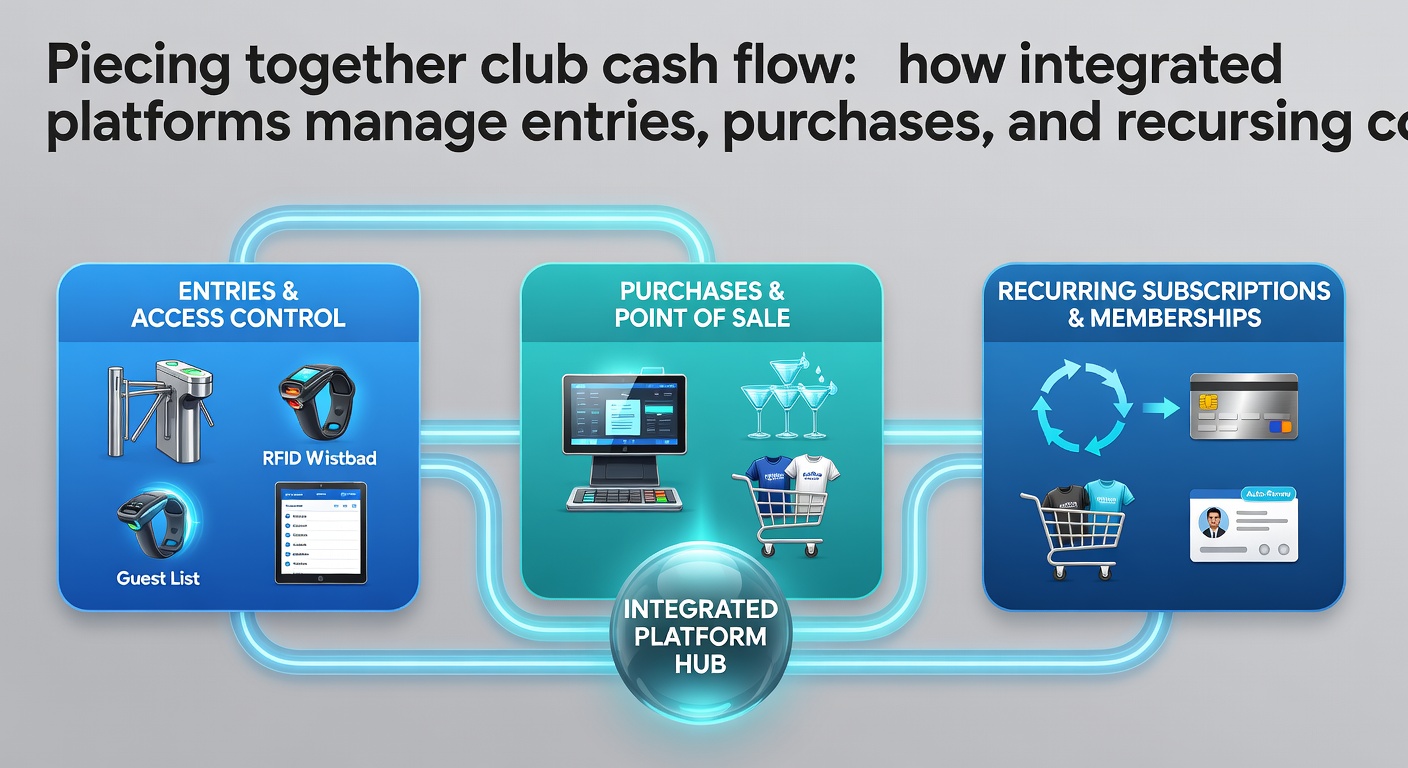
 Youth soccer organizations juggle multiple revenue streams at once, and integrated platforms pull those streams into a single system that tracks entries for tournaments and leagues, processes one-time purchases such as uniforms and equipment, and automates recurring contributions including monthly dues and donor pledges. Observers note that these platforms reduce manual data entry by connecting registration forms directly to payment processors, which updates financial records in real time and flags overdue accounts before they affect team budgets. Data shows clubs that adopt such tools often cut administrative hours spent on reconciliation by more than half compared with separate spreadsheets and bank feeds. Entries represent the first layer clubs must coordinate, since tournament registrations, tryout fees, and seasonal team placements arrive on staggered schedules throughout the year. An integrated platform lets organizers create custom forms that collect player information and payment in one step, then routes funds into designated accounts while generating receipts and roster lists automatically. Researchers at the Aspen Institute have documented how youth sports groups benefit when registration data flows straight into attendance and eligibility tracking, and that linkage prevents double-booking or missed payments that previously required follow-up calls.
Streamlining One-Time Purchases for Gear and Supplies
Equipment purchases introduce another set of variables because sizes, quantities, and vendor options change with each season and age group. Platforms that embed an online store inside the same dashboard let parents select items during registration or at any later date, while inventory counts update instantly and reorder alerts reach coaches before stock runs low. Those who've studied club operations observe that this approach eliminates separate order forms and manual deposit tracking, since every transaction carries the same player identifier used for entries and dues. Figures from recent industry reports reveal that clubs handling merchandise through unified systems report fewer lost sales and faster fulfillment times, because payment confirmation triggers packing lists without additional staff intervention.
Automating Recurring Contributions and Donor Management
Recurring contributions keep cash flow steady between big registration periods, yet collecting monthly dues or pledge installments often slips through the cracks when staff rely on email reminders alone. Integrated platforms schedule automatic charges on chosen dates, send customizable notifications in advance, and apply failed-payment retries without re-entering card details. Experts note that donor pledges can be tagged separately so clubs distinguish between parent dues and external sponsorships, then produce segmented reports for board meetings or grant applications. What's interesting is how the same system logs every contribution against individual family accounts, which simplifies end-of-year tax statements and reduces the number of duplicate receipts issued.
 As of May 2026 many organizations continue shifting seasonal registrations to these platforms ahead of summer camps and fall league deadlines, and the timing aligns with updated nonprofit reporting requirements that favor digital audit trails. Clubs that migrated earlier in the decade now compare multi-year data sets showing steadier revenue collection and lower chargeback rates when every transaction routes through the same verified processor.
Connecting Systems for Real-Time Visibility
Integration extends beyond payments into accounting software and communication tools, so treasurers see live balances instead of waiting for month-end bank statements. When a registration fee posts, the general ledger updates automatically; when a jersey order ships, the expense category adjusts without a separate journal entry. Observers point out that this single source of truth helps boards forecast shortfalls before they become crises, especially during off-peak months when recurring contributions represent the primary income source. Studies indicate that organizations using connected platforms spend less time chasing paperwork and more time planning programs, because reports generate on demand rather than requiring manual compilation.
Examples from the Field
Take one regional league that consolidated entry fees, snack-bar sales, and parent dues onto a single platform two years ago; administrators report that reconciliation now takes hours instead of days, and parent complaints about missed invoices dropped sharply once automatic reminders replaced manual follow-ups. Another club serving several travel teams added equipment bundles to its registration workflow and observed that families completed purchases at higher rates when options appeared alongside team placement confirmations rather than in a separate email blast. These patterns repeat across organizations that prioritize data continuity over piecemeal solutions.
Conclusion
Youth soccer clubs continue to refine cash-flow management by layering entries, purchases, and recurring contributions into unified platforms that reduce friction for families and provide clearer oversight for administrators. The result is fewer dropped payments, faster reporting cycles, and more predictable resources available for fields, coaching, and player development. As adoption grows through 2026 and beyond, the emphasis remains on systems that keep financial threads connected rather than scattered across disconnected tools.