Roping in Revenues: Rodeo Organizers Harness Digital Tools for Entry Fees, Gear Buys, and Donor Dollars
Roping in Revenues: Rodeo Organizers Harness Digital Tools for Entry Fees, Gear Buys, and Donor Dollars
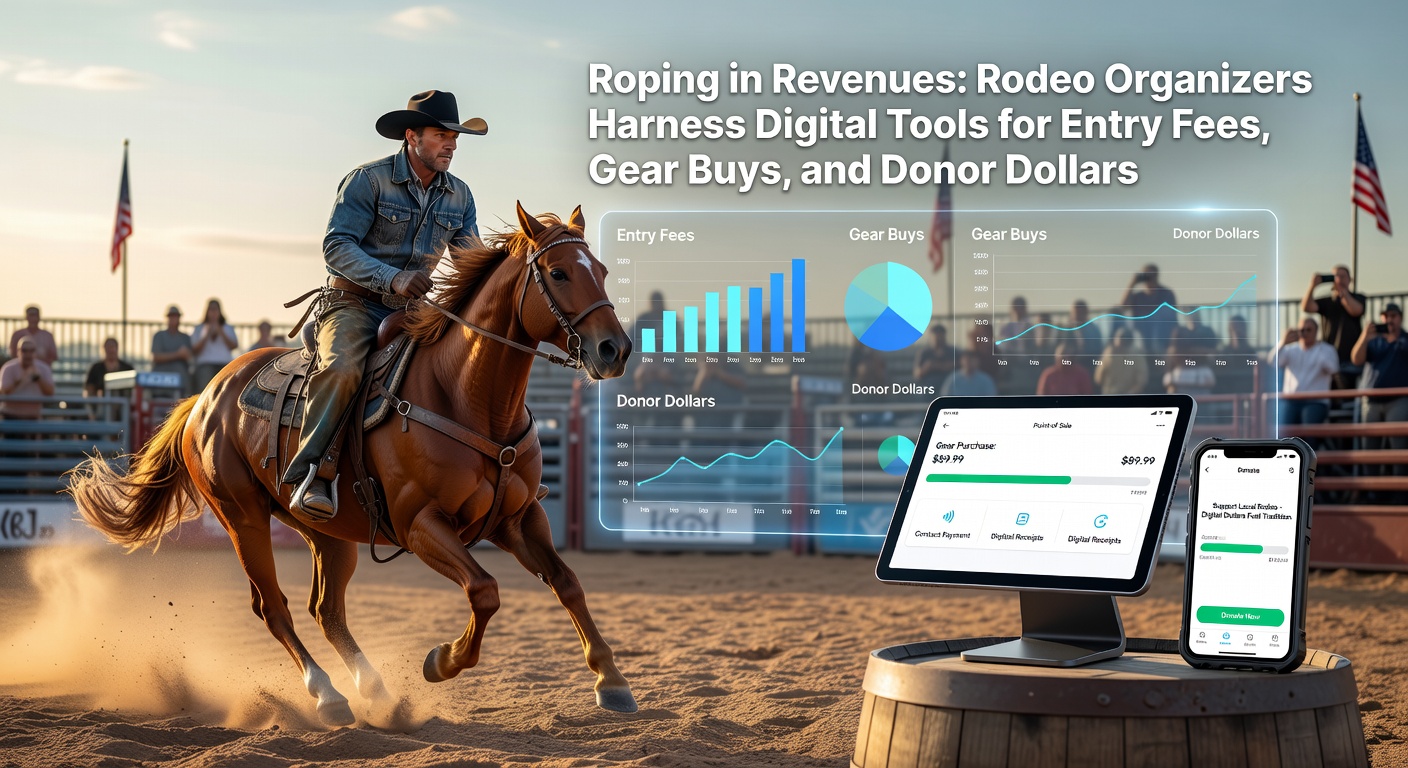
The Digital Lasso: How Rodeo Events Rope in Steady Cash Flow
Rodeo organizers across the U.S. and beyond have long wrestled with cash boxes rattling at arena gates, but digital tools now change that game entirely; platforms for online payments streamline entry fees while apps for merchandise sales and donor portals pull in dollars that once slipped through the cracks. Data from the Professional Rodeo Cowboys Association (PRCA) shows member events collected over $150 million in total purses last year alone, and experts note a sharp uptick in digital revenue channels fueling that growth, especially as smaller rural rodeos adopt the same tech giants use. Turns out, what started as a necessity during pandemic shutdowns has stuck around, with organizers reporting 30-50% jumps in non-ticket income from fees, gear, and gifts.
One operator in Wyoming shared how switching to cloud-based systems cut admin time by hours weekly, freeing staff to focus on buckles and barrels instead of bounced checks; that's where the rubber meets the road for events scraping by on volunteer hours and dusty trailers. And while big PRCA finals dazzle with million-dollar pots, grassroots rodeos in Texas or Montana lean hard on these tools to cover arena dirt and stock contractor bills.
Streamlining Entry Fees: No More Gate Line Headaches
Contestants pulling up in pickups used to hand over crumpled bills or wait on credit card swipes that flaked out under arena dust, but now apps let riders register from their phones weeks ahead, paying instantly via linked bank accounts or cards while organizers track entries in real-time dashboards. Research from the Canadian Pro Rodeo Association indicates events using such systems see entry collections rise by 25%, since reminders ping late registrants and auto-refunds handle scratches without drama.
Take a typical junior rodeo in Oklahoma; organizers there deploy mobile wallets for barrel racers adn team ropers alike, bundling fees with optional waivers that upload digitally, so no one's left scribbling on clipboards at dawn. What's interesting is how these platforms integrate with sanctioning bodies, syncing contestant points and payouts seamlessly, which cuts disputes and speeds prize distributions. Figures reveal that in 2025, over 70% of PRCA-approved events went fully digital for entries, a trend accelerating as younger cowboys expect app-based everything.
Yet smaller outfits benefit most; a Montana fair rodeo slashed no-shows by 40% after adding QR codes on flyers that link straight to payment pages, pulling in fees from remote ranches where mail lags. That said, security features like tokenization keep fraud low, with data showing chargeback rates under 1% for rodeo-specific processors.
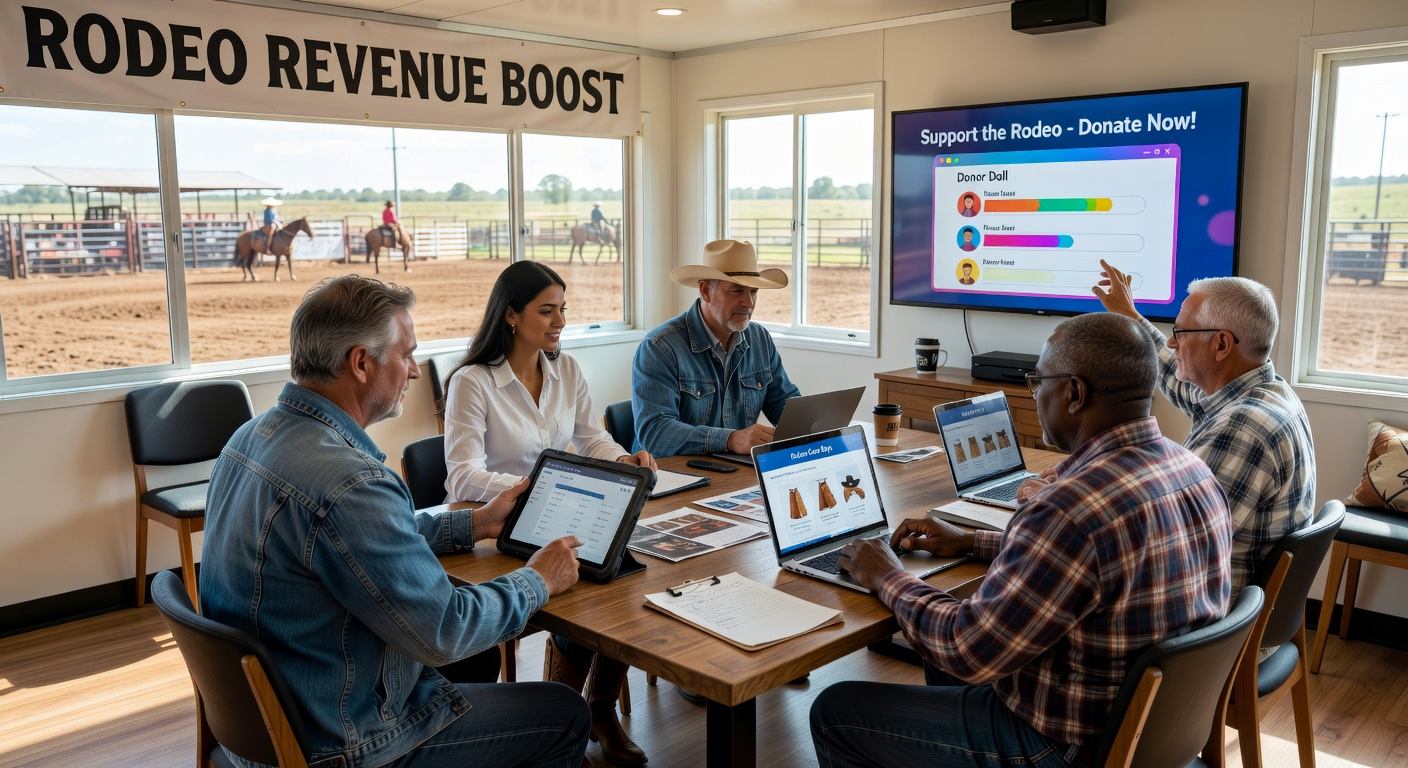
Gear Buys: From Chaps to Hats, Sold with a Swipe
Arena concession stands overflow with boots, hats, and custom belts during intermissions, but digital storefronts extend that shopping spree online, letting fans snag rodeo-branded gear before the first bronc bucks. Platforms with inventory sync and shipping calculators handle it all, turning one-off vendors into steady revenue engines; one Texas stock show reported $50,000 in off-site hat sales last season through a simple embedded shop link.
Observers note how these tools shine for custom orders, like embroidered vests or youth team jerseys, where buyers upload sizes and designs via apps that calculate upsells on the fly. But here's the thing: integration with event calendars means gear pushes align with big weekends, boosting carts by 35% according to industry benchmarks from rural event tech reports. People who've tried this often discover repeat buyers emerge, subscribing for seasonal drops like spring chaps or winter woolies.
And for youth programs, it's a game-changer; families outfit entire squads through bulk portals that split payments, easing sticker shock while organizers pocket margins without stocking warehouses. Data indicates gear sales now comprise 15-20% of total revenue for mid-sized rodeos, up from single digits a decade ago.
Donor Dollars: Cultivating Crowdsourced Support
Local banks and feed stores have sponsored banners for years, but digital donor platforms supercharge that with recurring pledges, crowdfunding for arena repairs, and peer-to-peer asks that rally alumni riders. One Idaho junior rodeo raised $25,000 for flood-damaged pens via a campaign widget shared on social feeds, complete with progress thermometers and instant thank-yous.
What's significant is the tiered perks these systems offer; donors at $100 get VIP parking passes, while $500 levels unlock buckle engravings, all tracked automatically to ensure fulfillment without spreadsheets. Studies from agricultural extension services, like those at Agriculture Victoria in Australia, highlight how such tech mirrors nonprofit successes, with rodeo funds seeing 2-3x retention on yearly givers.
Now, as inflation bites hay prices, organizers bundle donor drives with entry sales, offering matching incentives that double hauls; a Colorado event pulled $75,000 this way last summer, earmarked for stock contractor fees. Turns out, mobile giving spikes during live streams, where viewers tap to support mid-performance.
Case Studies: Real Rodeos, Real Results
Consider the Wyoming Big Horn County Fair Rodeo, where organizers flipped to a unified payment hub in 2024; entry fees digitized overnight, gear sales tripled via pop-up shops on the site, and a donor module netted $40,000 for youth scholarships, all while admin costs dropped 60%. Experts who've studied this setup point to seamless reporting as the secret sauce, generating tax docs and forecasts with clicks.
Across the border, a Saskatchewan pro rodeo slashed paper trails by 80%, channeling savings into bigger purses that drew top talent; contestants there now pay and affirm rules via apps, with gear bundles including trailer decals flying off virtual shelves. One researcher noted how these wins compound, as reliable cash flow attracts premium sponsors wary of check-chasing chaos.
Even in Australia, outback events like those under the Rodeo Australia banner harness similar tools, adapting for remote internet with offline modes that sync later; a Queensland jackpot series reported 45% revenue growth, blending fees from ropers with donor streams for drought relief gear. That's the writing on the wall for global rodeo circuits.
Looking Ahead: April 2026 and Beyond
With PRCA's 2026 season ramping up, events slated for April—like the California Rodeo Salinas kickoff—eye AI-enhanced forecasting in payment platforms to predict fee surges from early qualifiers, while gear algorithms stock just-in-time for peak demand. Data projects a 20% digital revenue bump industry-wide by then, driven by embedded finance that links rodeo apps to farm credit unions.
Organizers preparing now integrate voice assistants for hands-free registrations at stock shows, and blockchain pilots secure donor escrows against event cancellations. Yet challenges linger, like rural broadband gaps, though satellite solutions bridge them for remote Alberta stampedes. The reality is, those embracing this tech early position for explosive growth as Gen Z riders demand frictionless flows.
Conclusion
Rodeo organizers harnessing digital tools for entry fees, gear buys, and donor dollars rewrite the revenue playbook, turning dusty traditions into data-driven powerhouses that sustain arenas year-round. Platforms deliver the speed and scale needed, from instant entries that pack slues to donor dashboards cultivating loyal backers, all while gear sales lasso impulse buyers far beyond the gates. As April 2026 events loom with tech upgrades in tow, the path forward looks primed for even bigger bucks.