Streamlining Paddle Pass Renewals: Digital Alignment of Clinic Fees, Kayak Restocks, and Donor Pledges Across Regional Whitewater Circuits
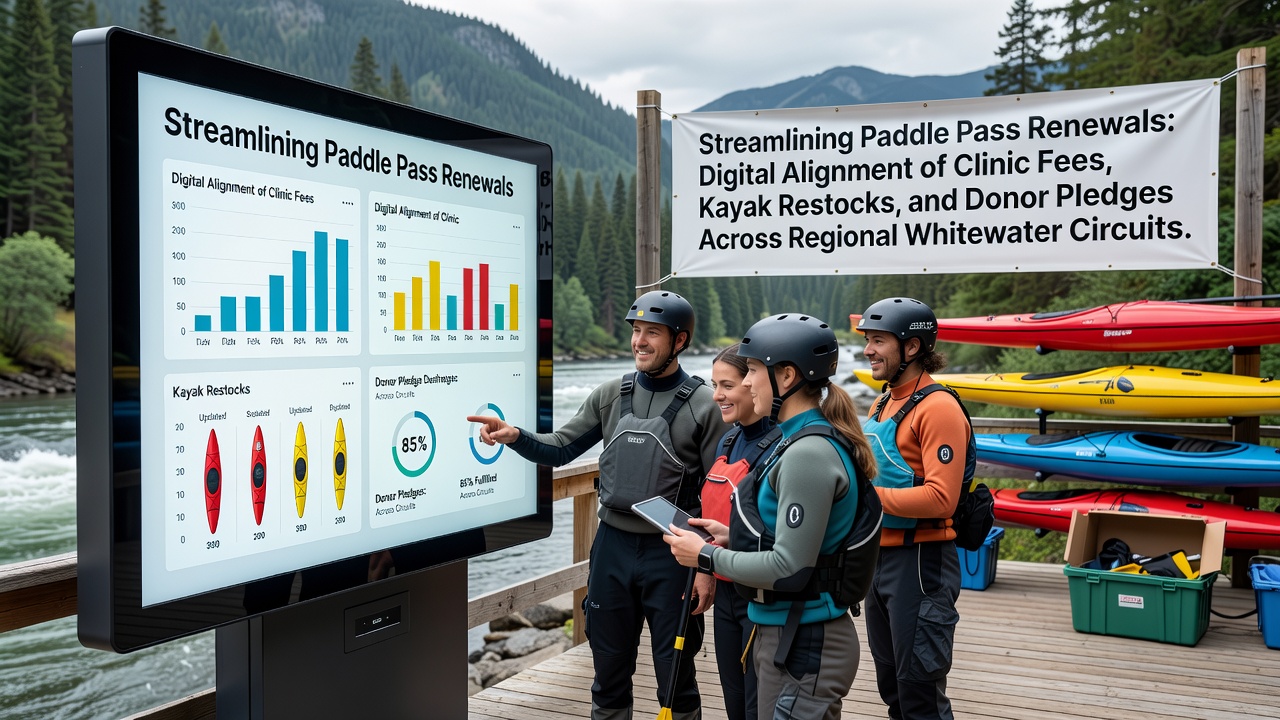 Regional whitewater circuits coordinate paddle pass renewals through digital platforms that connect clinic fees, kayak restocks, and donor pledges into unified workflows. These systems track participation across multiple river basins while handling seasonal cycles that peak during spring runoff periods and extend through summer programming. Whitewater organizations in North America manage thousands of annual renewals where participants access guided routes, training sessions, and equipment pools. Integrated tools synchronize payments so that a single renewal triggers updates across fee schedules for instructional clinics, inventory requests for replacement kayaks, and allocation logs for recurring pledges from supporters.
Clinic Fee Coordination in Paddling Networks
Clinic fees cover instruction on river navigation, safety protocols, and technique refinement, with sessions often scheduled from May through September in circuits spanning the Rockies and Appalachians. Digital platforms allow organizers to bundle these charges with pass renewals, which reduces separate billing cycles and aligns payment dates with program calendars.
Data from the Outdoor Industry Association shows participation in paddlesports grew steadily through 2025, prompting circuits to adopt automated invoicing that processes clinic registrations alongside pass updates. One program in the Pacific Northwest linked its clinic database to a central ledger, resulting in fewer discrepancies between attendance records and collected fees during the 2025 season.Kayak Restock and Inventory Alignment
Kayak restocks require precise timing because equipment wear accelerates during high-volume summer use, and regional circuits rotate fleets between sites to balance demand. Platforms that connect inventory modules to renewal systems flag upcoming restock needs when pass volumes exceed projected thresholds.
Operators receive alerts that tie equipment orders to incoming clinic revenue streams, which helps maintain stock levels without over-ordering during off-peak months. In June 2026 several circuits in the Great Lakes region plan to test synchronized restock schedules that draw directly from renewal data, allowing bulk purchases timed to manufacturer production windows.
Donor Pledge Integration Across Circuits
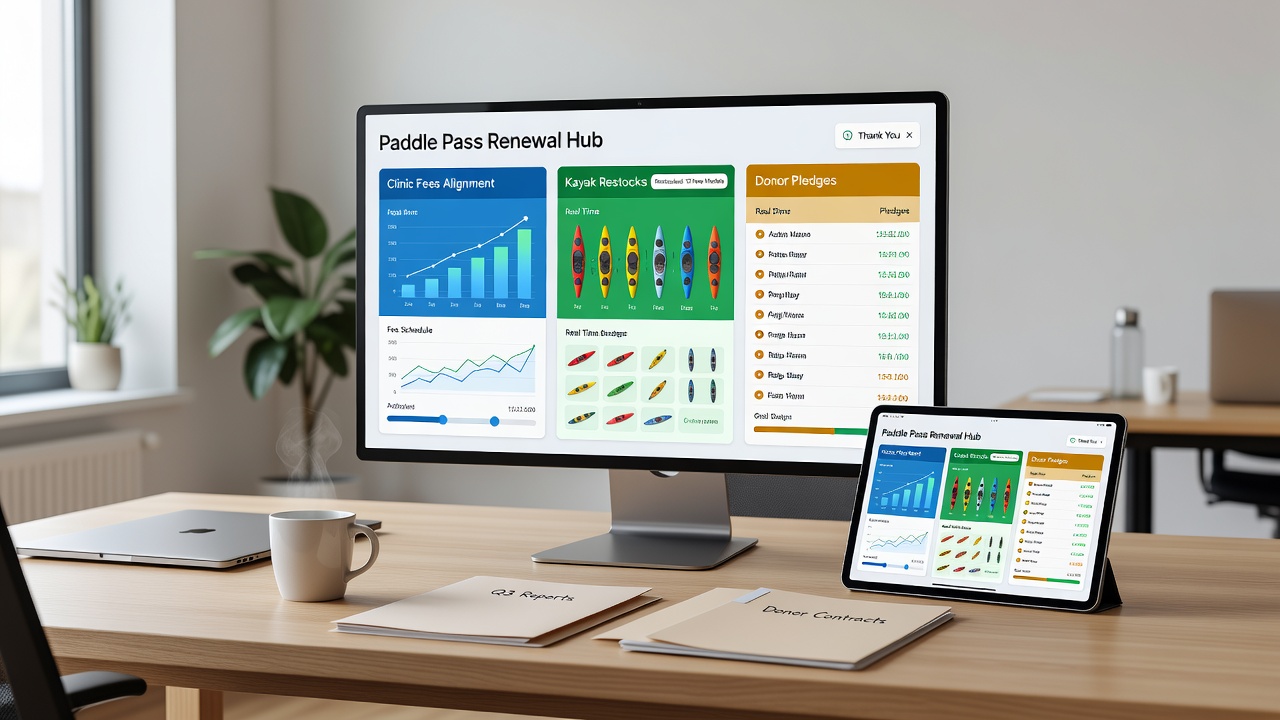
Donor pledges provide steady support for trail maintenance, safety equipment, and scholarship programs that expand access for new paddlers. Digital alignment maps pledge fulfillment dates to renewal periods so that funds release automatically when pass volumes meet predefined benchmarks.
Regional federations in Canada and the European Union have implemented similar linkages, with one Alberta-based network reporting improved cash flow predictability after connecting pledge ledgers to clinic and equipment modules. Observers note that these connections reduce manual reconciliation tasks that previously consumed staff hours each quarter.
Regional Circuit Implementation Patterns
Whitewater circuits operate across varied geographies, from the Colorado River system to the rivers of the Scottish Highlands. Platforms accommodate these differences by allowing custom rule sets that respect local permitting requirements and seasonal water levels while maintaining a shared data backbone for renewals.
Studies from Sport England indicate that integrated financial tools improve reporting accuracy for nonprofit recreation groups, a finding echoed in Canadian provincial audits that examined multi-site paddling programs. Circuits using these systems generate compliance reports that combine fee collection, inventory expenditures, and pledge distributions into single outputs suitable for grant applications and regulatory filings.
Operational Adjustments in 2026
June 2026 marks the rollout window for several updates that refine how renewal triggers interact with restock forecasts and pledge releases. Developers have incorporated machine learning elements that adjust projected kayak needs based on historical clinic attendance patterns across similar river conditions.
Regional administrators receive dashboards that display real-time alignment status, highlighting any mismatches between collected clinic fees and scheduled equipment deliveries. This visibility supports proactive adjustments before peak season demand strains inventory or delays pledge-funded initiatives.
Conclusion
Whitewater circuits continue to refine digital connections between paddle pass renewals, clinic fees, kayak restocks, and donor pledges. These alignments produce coordinated financial flows that match the seasonal rhythms of river-based programming while supporting equipment readiness and community support structures. As platforms evolve through 2026 and beyond, the emphasis remains on accurate data exchange across dispersed sites and varied operational needs.