Subscription Models Connecting Contest Entries, Apparel Orders, and Annual Renewals in Aquatic Sports
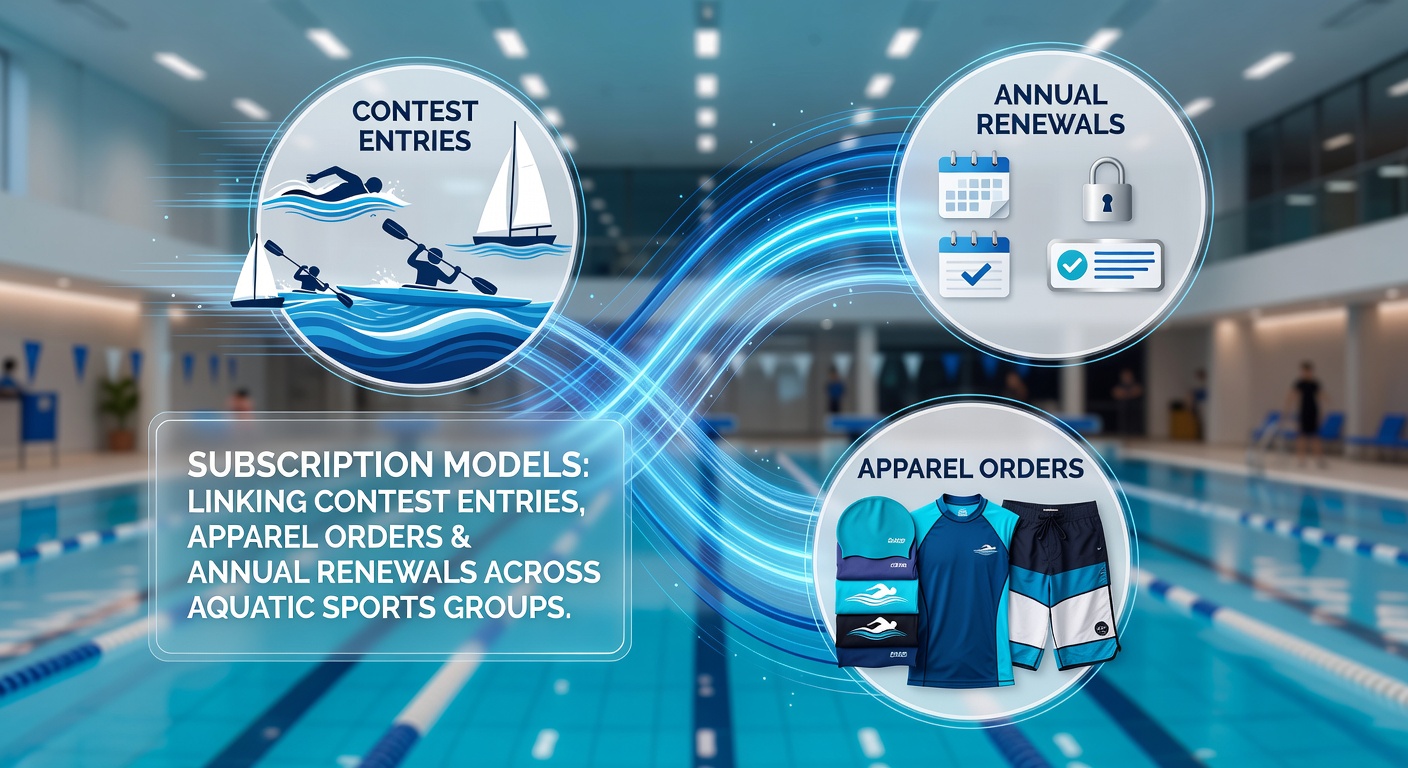
Aquatic sports organizations including swimming clubs, rowing teams, water polo groups, and sailing associations have adopted subscription frameworks that bundle contest registrations with apparel procurement and yearly membership cycles, and these systems create unified payment streams that simplify administrative processes for both organizers and participants.
Data from regional athletic federations shows steady growth in digital subscription adoption across water-based activities since the early 2020s, with many groups reporting streamlined coordination between event sign-ups and uniform purchases that once required separate transactions and manual tracking.
Core Mechanics of Integrated Subscription Systems
These platforms operate by linking multiple revenue components into recurring payment schedules where participants authorize ongoing charges that cover contest entry fees, team apparel selections, and annual renewal costs in one consolidated agreement, and administrators gain visibility into upcoming obligations through centralized dashboards that update automatically when users modify orders or event participation.
Payment processors designed for sports environments handle recurring authorizations while accommodating seasonal variations such as peak competition periods in summer months and reduced activity during off-seasons, and this flexibility allows clubs to adjust billing cycles without disrupting member access to registration portals or merchandise catalogs.
Linking Contest Entries with Apparel Procurement
Contest entry modules within these subscriptions often trigger apparel order prompts based on event requirements, such as mandatory team swimsuits or rowing kit specifications, while members select sizes and styles through the same interface that processes their registration fees, and the system automatically applies discounts or bundles when annual renewals coincide with multiple competition sign-ups.
Researchers tracking sports commerce patterns have noted that this integration reduces order fragmentation, as participants no longer navigate separate vendor sites for gear and entry forms, and clubs receive consolidated fulfillment data that helps forecast inventory needs for upcoming meets and regattas.
Annual Renewal Structures and Member Retention Patterns
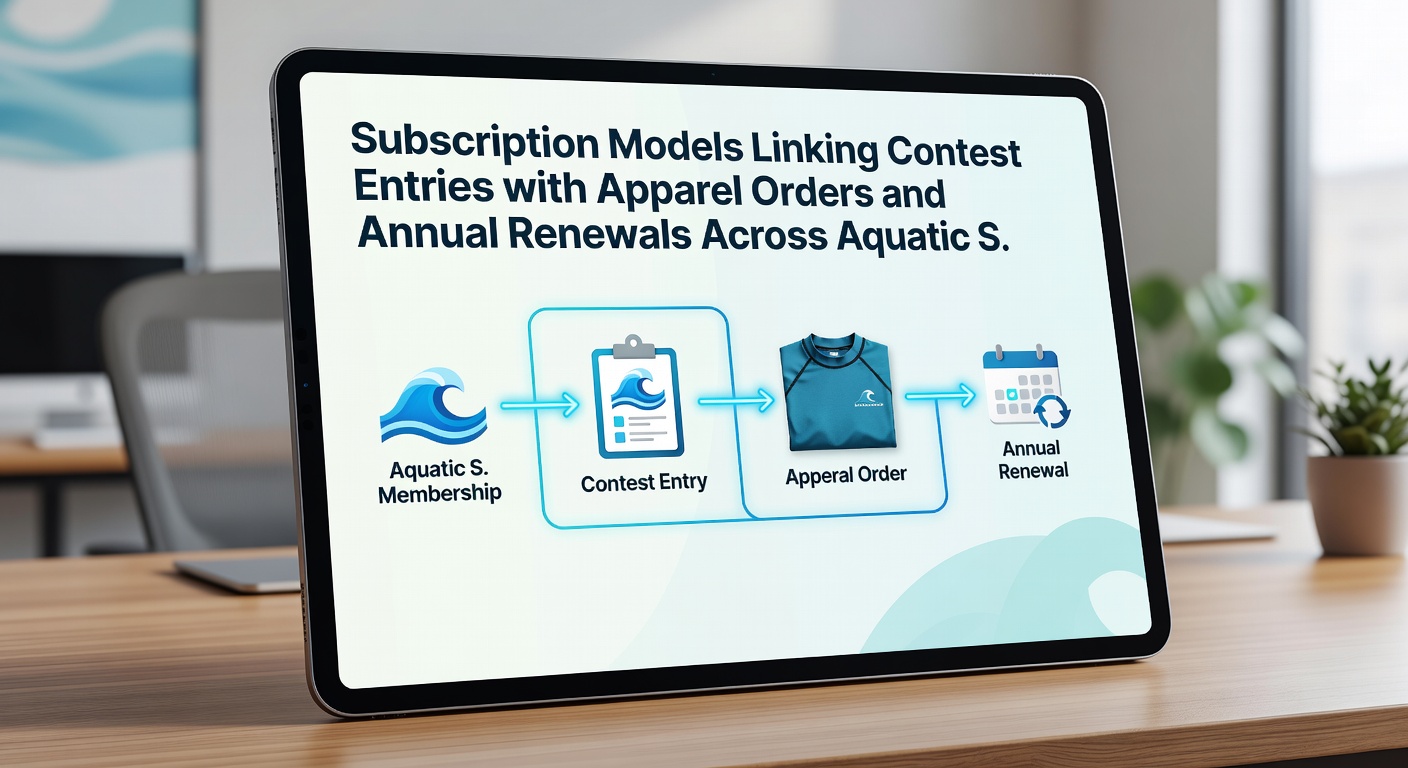
Annual renewal components within these models typically activate at the start of each fiscal or competitive year, incorporating prior participation data to suggest updated contest calendars and refreshed apparel options, and members receive automated reminders that detail upcoming charges along with options to modify selections before billing occurs.
Observers tracking membership trends in aquatic disciplines report that consolidated renewals correlate with higher continuation rates because the process minimizes administrative friction compared with standalone fee collections for events, gear, and dues, and clubs benefit from predictable revenue forecasts that support facility bookings and coaching contracts.
Implementation Across Different Aquatic Disciplines
Swimming associations often integrate lap meet entries with competition swimsuit orders through tiered subscriptions that scale with event volume, whereas rowing clubs link regatta registrations to oar club apparel bundles that include weather-appropriate outerwear, and water polo teams combine tournament fees with cap and suit provisions under the same recurring framework.
Sailing groups extend these models to include equipment maintenance subscriptions alongside race entries and team jacket orders, creating layered payment structures that accommodate both competitive and recreational members, and cross-sport comparisons indicate consistent administrative time savings when platforms manage these varied requirements through unified member profiles.
Developments Anticipated by May 2026
Industry reports project expanded mobile functionality in subscription platforms by May 2026, enabling real-time apparel customization linked directly to contest calendars and allowing members to update renewal preferences through apps that sync with federation calendars across multiple aquatic regions, and such enhancements are expected to further align payment timing with competition schedules in international circuits.
According to participation statistics compiled by Sport Canada, aquatic sports organizations continue to expand digital payment integration to support growing numbers of youth and masters programs, and similar patterns appear in European aquatic federation summaries that track membership management efficiencies.
One study from the Australian Institute of Sport examined how bundled subscription tools affected operational workflows in regional swimming and rowing clubs, revealing measurable reductions in reconciliation time between entry systems and merchandise suppliers, and these findings align with broader trends documented in international sports management reviews.
Conclusion
Subscription models that connect contest entries, apparel orders, and annual renewals have become established features in aquatic sports administration, providing structured pathways for payment coordination that serve both small community clubs and larger competitive organizations, adn ongoing platform refinements scheduled through 2026 indicate continued evolution in how these groups manage interconnected revenue streams.