Synchronizing Equipment Restocking Timelines with Scholarship Allocation Cycles in Statewide Curling Federations Through Unified Billing Mechanisms
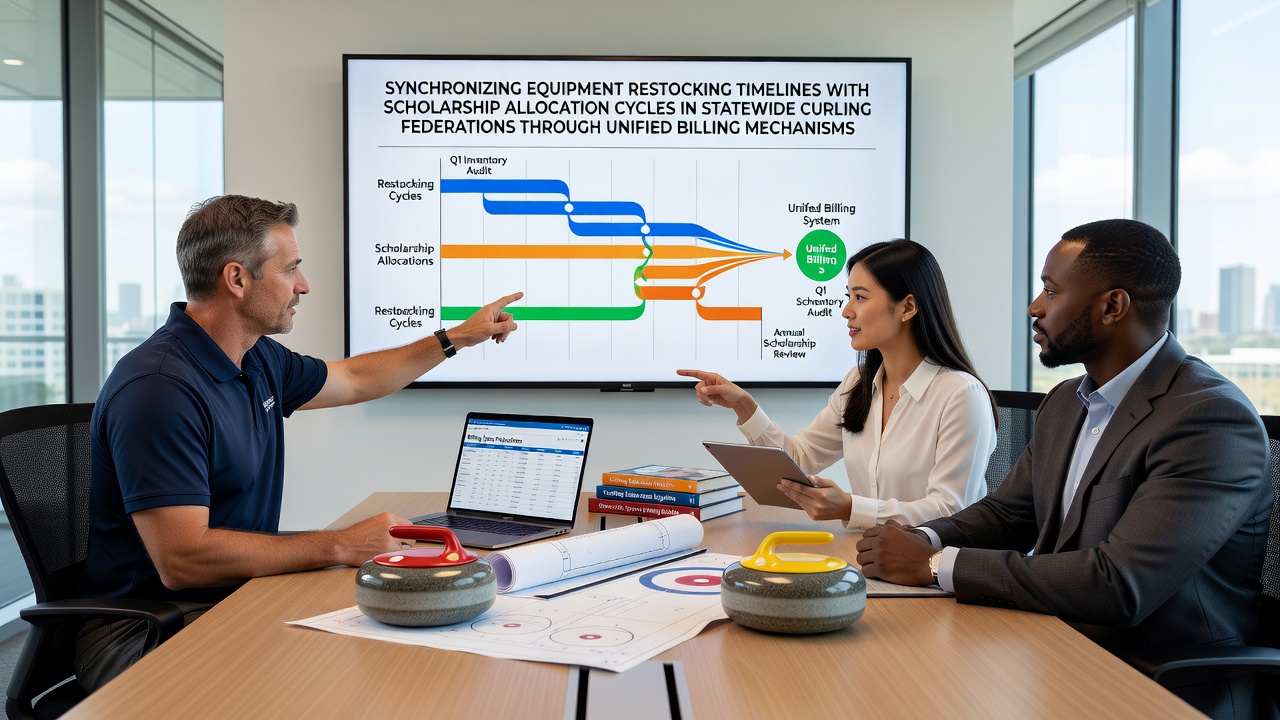
Statewide curling federations manage complex financial flows that link equipment purchases to scholarship distributions, and unified billing systems coordinate these elements by aligning vendor payment schedules with allocation periods. Federations in multiple regions track restocking needs for stones, brooms, and ice maintenance gear against recurring scholarship cycles that support junior and amateur athletes, while data from organizations like Curling Canada indicates that integrated platforms reduce timing mismatches between inventory orders and fund releases.
Equipment restocking often follows multi-year cycles because curling stones and specialized gear require periodic replacement to maintain competitive standards, whereas scholarship allocations typically occur on annual or semi-annual timetables tied to registration deadlines and performance reviews. Unified billing mechanisms merge these timelines into a single workflow that processes vendor invoices and scholarship disbursements through shared ledgers, allowing federations to forecast cash outflows and inflows with greater precision.
Core Components of Unified Billing in Curling Operations
Observers note that unified billing platforms consolidate accounts payable for equipment suppliers with accounts receivable from membership fees and external grants, creating a synchronized ledger that flags upcoming restocking dates alongside scholarship review windows. This setup draws on automated triggers that notify administrators when inventory levels reach reorder thresholds, at the same time cross-referencing those dates against scholarship committee calendars to avoid liquidity gaps.
State federations in the Midwest and Northeast have adopted these systems to handle seasonal peaks, such as pre-season stone resurfacing orders that coincide with fall scholarship application reviews. The platforms use rule-based scheduling to batch payments, ensuring that equipment vendors receive funds on the same cycle as scholarship recipients receive their awards, which minimizes administrative overhead across separate departments.
Alignment Strategies for Restocking and Allocations
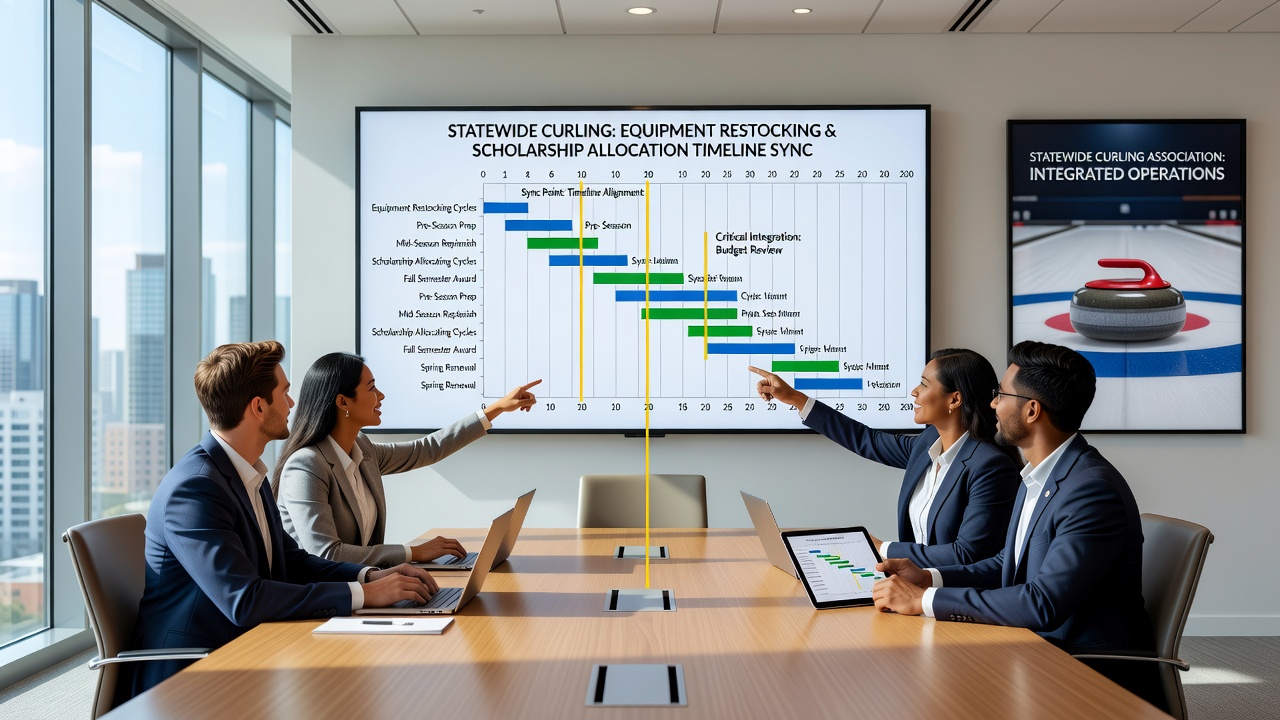
Federations synchronize restocking timelines with scholarship cycles by establishing shared data fields within the billing software that map equipment depreciation schedules to scholarship eligibility periods. For instance, a two-year stone replacement cycle can be overlaid onto annual scholarship renewals so that bulk orders occur immediately after scholarship funds clear, thereby using incoming allocations to cover outgoing equipment costs without separate financing arrangements.
Research from sports management studies at institutions across North America shows that such alignment reduces the frequency of emergency purchases and delayed scholarship distributions. Platforms achieve this through predictive analytics that pull historical usage data from curling clubs, then project both equipment wear rates and scholarship demand curves for the upcoming fiscal year.
In July 2026 several statewide federations plan to run pilot reconciliations that test these unified mechanisms during the mid-year scholarship review window, allowing administrators to adjust restocking quantities based on real-time allocation totals before the fall competitive season begins.
Implementation Across Regional Networks
Implementation begins with data migration that imports existing vendor contracts and scholarship recipient lists into the unified system, followed by configuration of approval workflows that require dual sign-off from equipment managers and scholarship coordinators. This dual-review process ensures that proposed restocking quantities align with projected scholarship outlays, preventing overcommitment of federation reserves.
Case examples from federations that have rolled out these tools demonstrate how automated matching routines flag discrepancies between equipment lead times and scholarship disbursement dates, prompting early adjustments. One federation adjusted its broom supplier contract to shift delivery from March to June so that payments would clear after spring scholarship distributions, illustrating the practical adjustments that unified billing enables.
Additional integrations connect the billing platform to external grant portals maintained by national curling bodies, allowing incoming funds designated for athlete development to flow directly into the same ledger used for equipment accounts. This creates a closed-loop system where scholarship allocations and equipment expenditures appear on unified reports that satisfy both internal governance and external audit requirements.
Reporting and Compliance Outcomes
Unified billing generates consolidated financial statements that present equipment restocking and scholarship activity side by side, which simplifies compliance reporting for nonprofit status and state athletic association oversight. Reports produced through these systems include line-item breakdowns that show how specific allocation cycles funded particular restocking events, providing clear audit trails.
Federations that maintain these synchronized records report fewer instances of fund reallocation after the fact, because the platform enforces timing rules at the point of invoice entry. The result is a more predictable cash position that supports consistent equipment availability for clubs while ensuring scholarship commitments remain on schedule throughout the year.
Conclusion
Statewide curling federations continue to refine unified billing mechanisms that tie equipment restocking directly to scholarship allocation cycles, producing coordinated financial operations that serve both operational and developmental priorities. These systems rely on shared data structures and automated scheduling to keep vendor payments and athlete support disbursements aligned, delivering measurable improvements in cash flow visibility across participating regions.