Synchronizing Referee Compensations and Clinic Enrollments Across Statewide Karate Networks Through Unified Digital Reconciliation
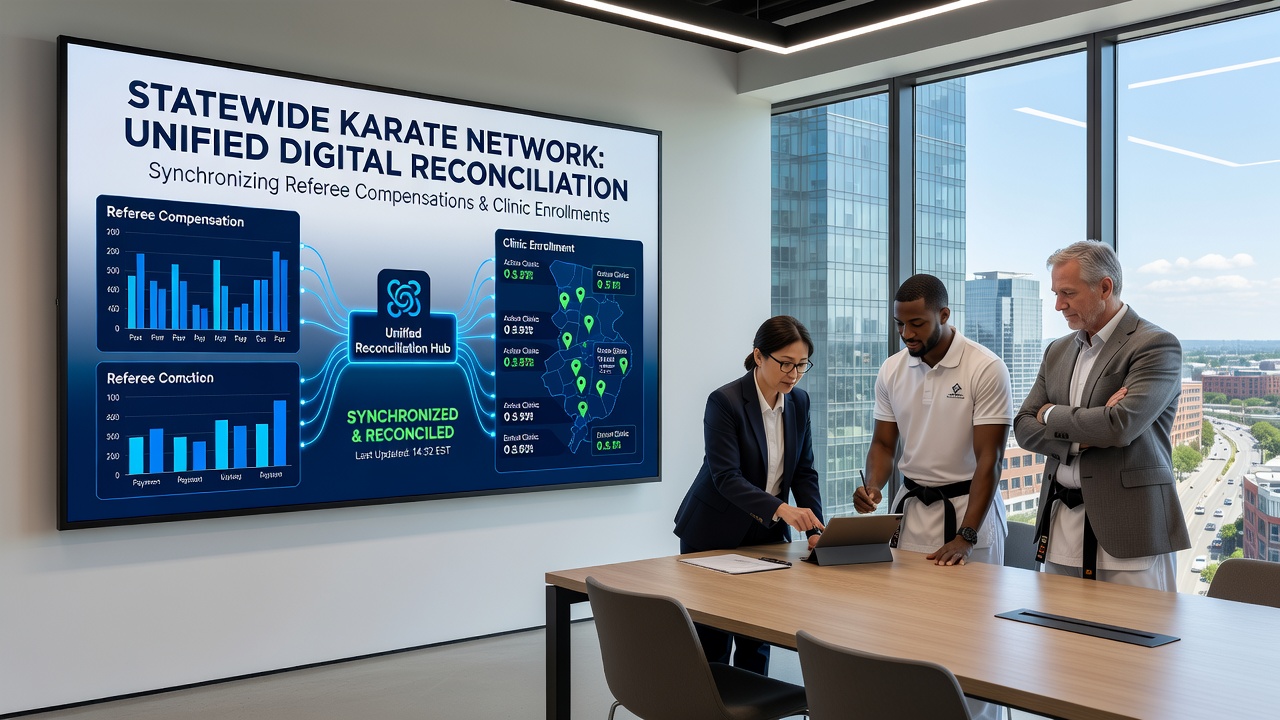
Statewide karate organizations manage referee stipends alongside clinic registration processes through digital reconciliation platforms that connect payment ledgers with enrollment databases, and these systems handle transaction matching in real time while reducing discrepancies between funds disbursed and participant sign-ups recorded.
Networks in various regions track individual referee compensation rates based on event participation logs, and they align those figures with clinic attendance records that update automatically when new registrations occur, which allows administrators to verify that payouts correspond directly to verified officiating hours and instructional sessions delivered.
Core Components of Unified Reconciliation Systems
Unified platforms pull data from separate modules for clinic enrollments and referee assignments, then they apply matching algorithms that flag mismatches such as unpaid stipends for completed events or over-enrolled sessions lacking corresponding fee collections, and observers note that this process occurs daily rather than at month-end closeouts.
State associations integrate these tools with existing membership databases so that when a referee completes a clinic or officiates a tournament, the system logs the activity and initiates compensation workflows without manual data entry, which cuts processing time from weeks to hours according to implementation reports from multiple networks.
Operational Flow in June 2026 Deployments
As networks prepared for summer tournament seasons in June 2026, several statewide karate groups activated enhanced reconciliation features that synchronized referee pay cycles with upcoming clinic calendars, and this timing allowed organizers to forecast staffing needs while confirming enrollment capacities in advance of peak registration periods.
Referees receive automated notifications when their compensation deposits process, and clinic coordinators gain access to live dashboards showing seat availability tied to collected fees, which supports decisions about adding sessions or adjusting instructor assignments based on actual revenue data.
Data Integration Across Regional Networks
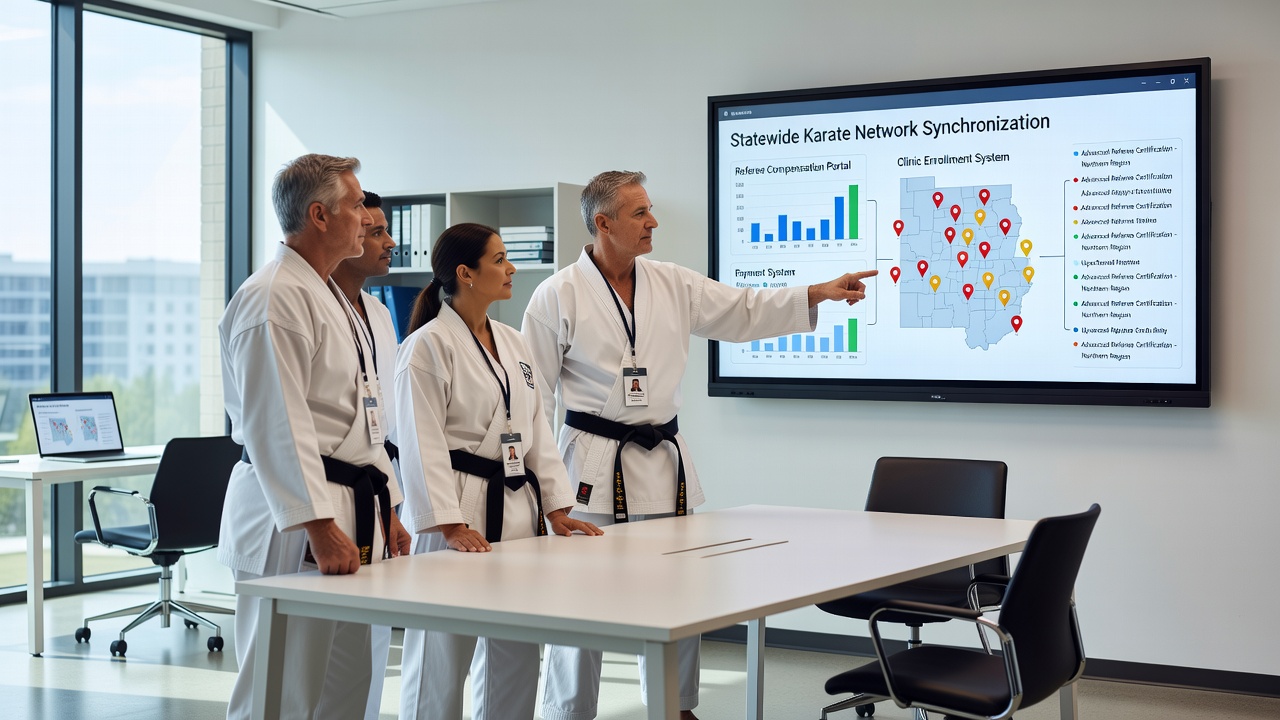
One network spanning multiple counties connected its referee database to clinic management software through API linkages, and this setup enabled cross-state comparisons of compensation rates against enrollment volumes so that administrators could identify patterns such as higher clinic demand correlating with increased officiating opportunities.
Research from Sport Canada on digital tools in amateur sports shows that integrated reconciliation reduces administrative errors in payment tracking by aligning stipend records with participation metrics, and similar approaches appear in karate federations that handle statewide events where referees often travel between clinics and competitions.
Handling Compliance and Reporting Requirements
Unified systems generate audit trails that document every compensation transfer and enrollment update, which helps organizations meet financial reporting standards set by state athletic commissions, and these records prove useful during annual reviews when external auditors examine how funds flow from registration fees to referee payouts.
Administrators use built-in reporting functions to export summaries of reconciled transactions for board meetings, and this capability supports transparency without requiring staff to compile separate spreadsheets from disconnected sources.
Challenges Addressed Through Automation
Traditional methods often left referee payments delayed when clinic enrollment data remained siloed in separate spreadsheets, yet digital reconciliation flags these gaps immediately and prompts resolution steps such as follow-up invoices or adjusted schedules, and people managing karate programs report fewer instances of unpaid officials after adoption.
Enrollment surges during belt promotion clinics create volume spikes that manual systems struggle to process alongside referee scheduling, but automated matching handles the increased load by processing batches of registrations and corresponding stipend calculations simultaneously.
Conclusion
Statewide karate networks continue to refine these unified digital reconciliation approaches as they expand clinic offerings and referee pools, and the focus remains on maintaining accurate linkages between compensation records and enrollment activity to support smooth operations across seasons.