Unveiling Automated Reconciliation Processes for Handling Multi-Source Income Streams Like Sponsorships, Kit Sales, and Participation Charges in Cross-Country Running Clubs
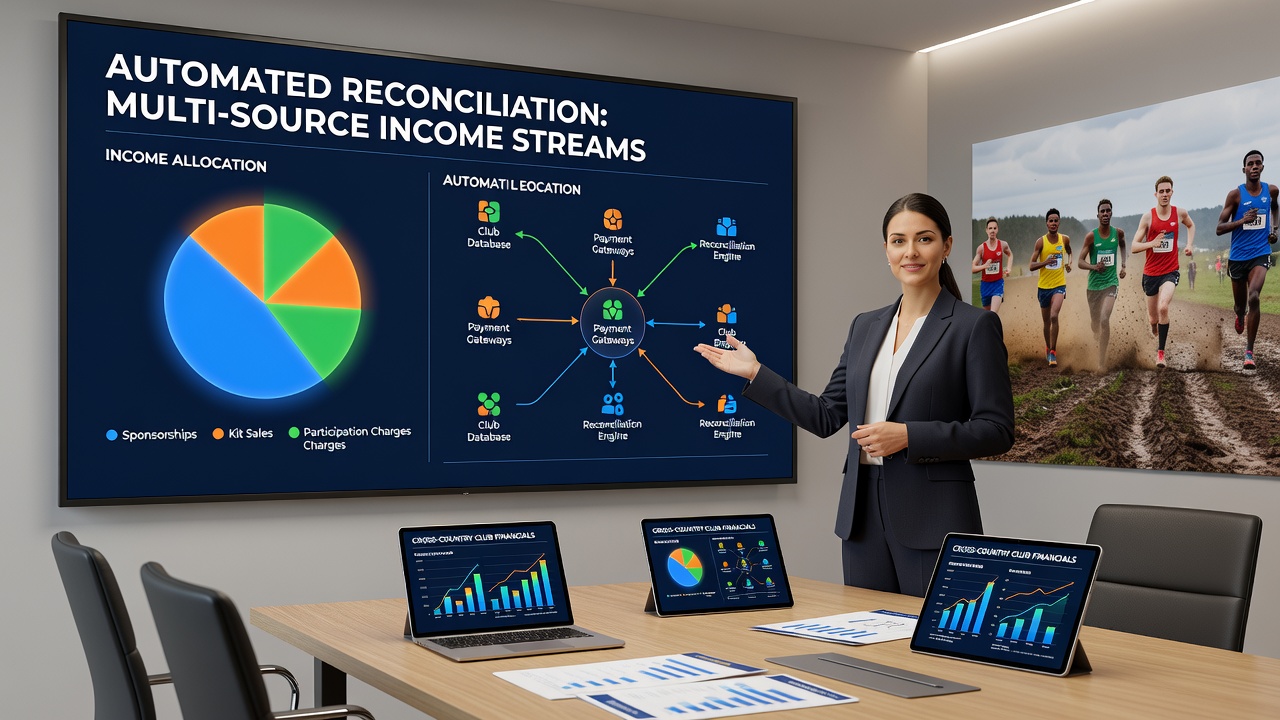
Cross-country running clubs manage multiple revenue sources that include sponsorship agreements, uniform and kit sales along with participation fees collected at events, and automated reconciliation systems now coordinate these inflows through centralized digital platforms that match transactions against bank records in real time. Observers note that clubs operating across regional networks often face fragmented data from online registration portals, merchandise vendors, and corporate sponsors yet integrated tools consolidate entries into unified ledgers that reduce manual cross-checks.
Core Income Categories in Cross-Country Operations
Sponsorship payments arrive through structured contracts that specify installment dates while kit sales generate point-of-sale data from club stores or partner e-commerce sites, and participation charges come from event registrations processed via dedicated athletics software. Researchers at various sports management programs have documented how these categories produce distinct transaction formats including recurring transfers, one-time card payments, and bulk corporate deposits that require matching against expected amounts listed in club budgets. Data from athletic federations shows clubs handling fifty or more events per season accumulate thousands of individual entries that demand precise alignment to avoid discrepancies during annual audits.
Mechanics of Automated Reconciliation Systems
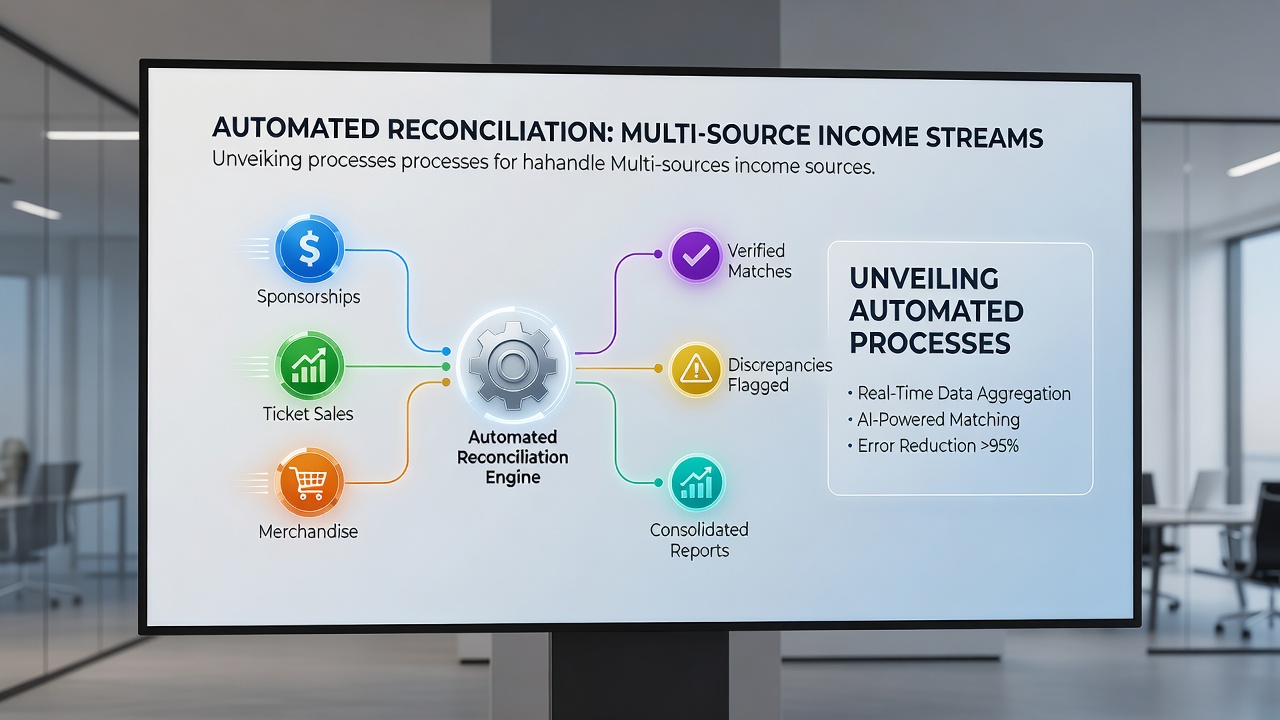
Platforms designed for nonprofit athletics organizations import feeds from payment processors, inventory management applications, and sponsor portals then apply rule-based matching algorithms that flag unmatched items for review. Experts have observed that these systems categorize inflows automatically by tagging sponsorship remittances under dedicated revenue codes, assigning kit sales to inventory turnover accounts, and routing participation fees to event-specific ledgers. When July 2026 updates rolled out across several North American running associations, enhanced API connections allowed real-time verification against external bank statements reducing the lag between collection and posting from days to hours.
Handling Sponsorship Agreements
Corporate sponsors frequently provide funds tied to branding deliverables such as logo placement on race bibs or course signage, and reconciliation tools track these obligations by linking payment receipts to fulfillment milestones recorded in project management modules. According to figures released by the Canada Revenue Agency on nonprofit compliance, organizations that automate sponsor tracking report fewer instances of deferred revenue misclassifications during tax filings. The process involves importing contract details into the system, matching incoming wires against invoice numbers, and generating exception reports when amounts deviate from agreed terms.
Managing Kit Sales and Inventory Revenue
Uniform orders placed through club websites or at meet-day booths create sales records that automated platforms reconcile against supplier invoices and bank deposits by comparing quantities sold with stock adjustments. Those who administer club finances note that integration with point-of-sale hardware allows daily batch uploads which the system then matches to merchant account settlements eliminating separate spreadsheet tracking. Evidence from regional track federations indicates clubs using such linkages experience tighter control over shrinkage and faster identification of uncollected online orders.
Processing Participation Charges Across Events
Entry fees collected for meets, training camps, and series competitions flow through registration platforms that feed directly into reconciliation engines capable of allocating funds to specific budget lines such as facility rentals or timing services. Studies conducted by university athletics departments reveal that clubs processing multi-day events with staggered payment windows benefit from automated proration features that distribute partial refunds or late fees without manual journal entries. The systems also cross-reference participant lists against payment confirmations to support accurate headcount reporting required by insurance providers.
Integration With Broader Financial Reporting
Reconciliation outputs feed into general ledger software used for grant applications and board presentations where aggregated totals appear alongside expense categories. Observers tracking nonprofit athletics organizations have found that standardized data formats emerging in 2026 enable smoother transfers between club systems and external accounting packages used by volunteer treasurers. This connectivity supports compliance with reporting requirements set by bodies such as the Australian Sports Commission which oversees financial transparency among affiliated running groups.
Operational Workflows Observed in Practice
Club administrators typically begin each week by reviewing exception queues generated overnight then approve or adjust flagged transactions before the next deposit cycle. Case examples from mid-sized regional clubs show teams reducing weekly reconciliation time from eight hours to under two after implementation while maintaining audit trails that satisfy external reviewers. The platforms also produce monthly summaries that break down revenue by source allowing treasurers to compare actual sponsorship collections against kit sales trends without building custom queries.
Conclusion
Automated reconciliation processes now form a standard component of financial operations for cross-country running clubs that rely on diverse income streams. These systems align sponsorship remittances, merchandise proceeds, and event fees with bank activity through rule-driven matching and live data imports. Regional associations continue to adopt updated integrations that support compliance and reduce administrative load across volunteer-led organizations.