Wrestling Federations Embrace Advanced Invoicing Tools to Handle Multiple Revenue Streams Efficiently
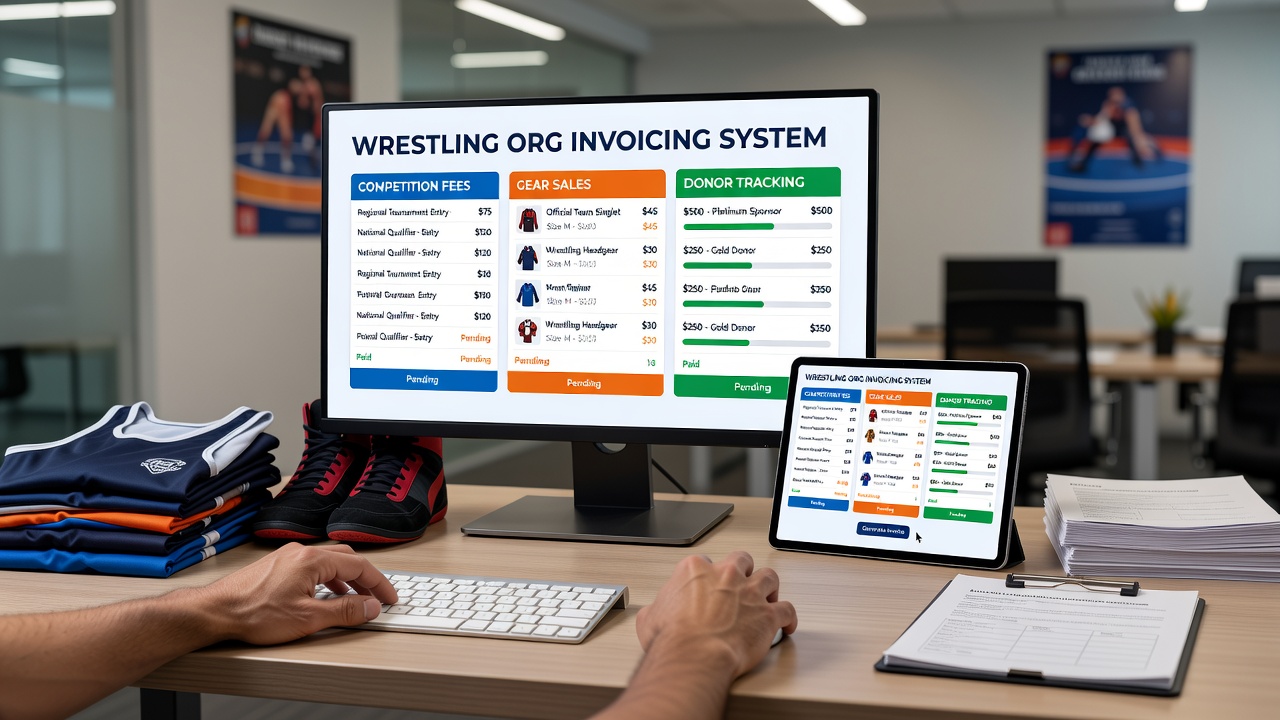
Regional and national wrestling bodies have rolled out invoicing platforms that consolidate competition entry payments, merchandise distributions, and contribution monitoring into unified workflows, and observers note these systems emerged prominently by mid-2025 as organizations sought tighter coordination across disparate financial activities.
Streamlining Competition Fee Collection
Wrestling events generate layered registration costs that include tournament entries, weight-class certifications, and official weigh-in charges, yet many federations previously processed these through separate spreadsheets and manual receipts. Integrated invoicing now generates itemized bills that update automatically when athletes confirm participation, and data from state athletic associations shows a reduction in late-payment follow-ups because automated reminders trigger at set intervals before each meet.
Coaches and administrators report fewer discrepancies when an athlete switches divisions mid-season because the platform recalculates the adjusted fee and issues a revised invoice without requiring manual intervention. In July 2026 several midwestern conferences plan to test real-time synchronization between weigh-in software and the billing module so that last-minute weight changes immediately reflect on the outstanding balance.
Coordinating Gear Sales and Inventory
Custom singlets, headgear, and warm-up apparel represent a recurring revenue channel for clubs, but tracking individual orders alongside bulk purchases for teams often creates separate ledgers. Modern invoicing features embed product catalogs directly into the billing interface, allowing parents or team managers to select sizes and colors while the system simultaneously deducts stock quantities and applies any applicable discounts for bulk club orders.
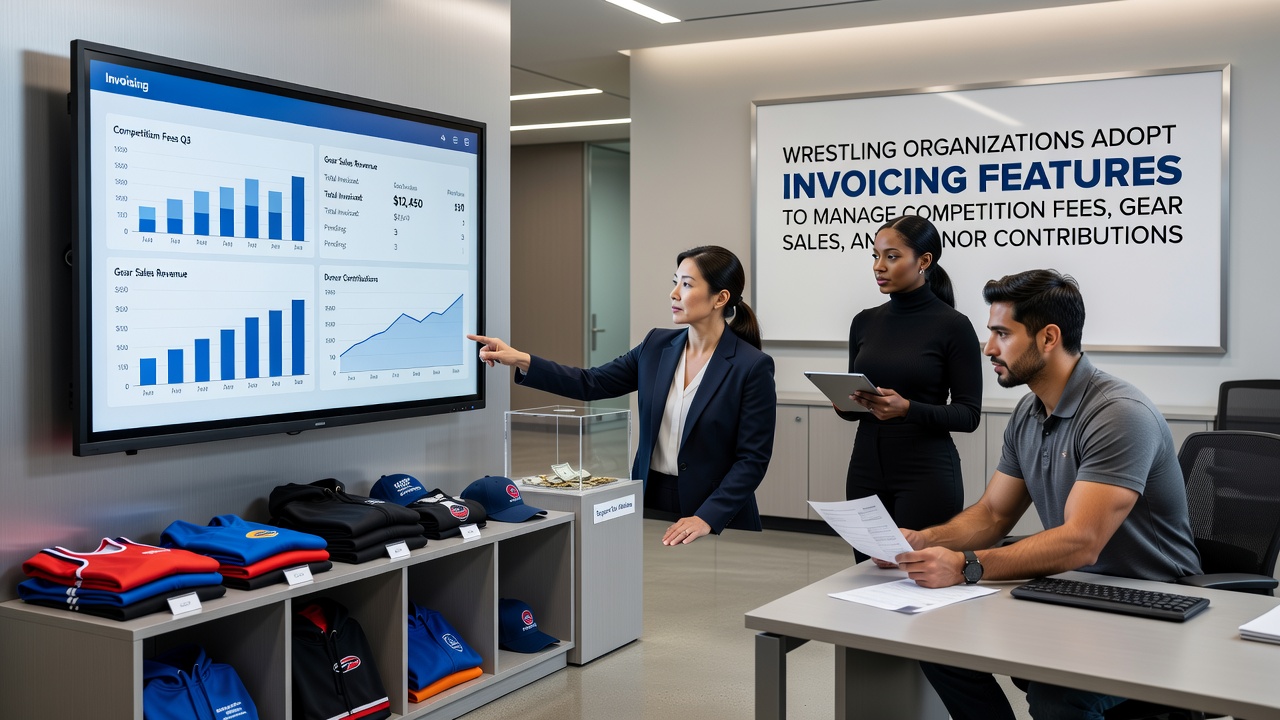
One eastern seaboard league documented that order fulfillment time dropped when the invoicing system routed confirmed purchases straight to the supplier portal, and the same records indicate that payment collection rates improved because invoices included embedded links to secure checkout rather than requiring separate follow-up emails. Researchers at sports management programs have observed similar patterns across contact-sport federations where apparel sales constitute a notable portion of annual operating budgets.
Tracking Donor Contributions and Compliance
Nonprofit wrestling organizations rely on recurring pledges from alumni, local businesses, and parent groups, and these contributions must be recorded separately from event fees to satisfy reporting requirements. Invoicing platforms now categorize incoming funds by source type, automatically generating acknowledgment letters that meet IRS substantiation rules while maintaining an auditable trail for each donor tier.
State regulatory filings reveal that federations using unified systems completed their 2025 Form 990 schedules with fewer line-item adjustments because contribution data flowed directly from the invoicing ledger into accounting exports. Observers note that donor retention communications improved when the platform flagged lapsed pledge schedules and suggested personalized follow-up messages tied to specific past gifts such as equipment sponsorships or travel fund support.
Integration Across Multiple Revenue Streams
Because competition fees, gear orders, and donations frequently intersect—an athlete may pay an entry fee while also ordering a new singlet and receiving a partial scholarship credit from a booster—the ability to view all line items on a single account dashboard reduces administrative duplication. Several regional circuits adopted these platforms after pilot programs demonstrated that consolidated reporting cut monthly reconciliation time by measurable margins, and industry analyses from the National Association of Intercollegiate Athletics indicate broader adoption trends among combat-sport governing bodies.
Platform vendors have introduced role-based permissions so that a treasurer can view aggregate donor totals while a coach sees only individual athlete balances, and these access controls align with data-protection expectations outlined in various state privacy statutes. External evaluations by university research centers continue to examine how such segmentation affects both operational efficiency and compliance accuracy across youth and collegiate wrestling programs.
Future Developments and Regional Variations
By July 2026 additional federations in the western and southern conferences intend to pilot mobile invoicing interfaces that permit on-site collection of competition fees and last-minute gear purchases through tablet terminals at weigh-ins. These pilots build on existing infrastructure rather than replacing it, and preliminary planning documents emphasize compatibility with legacy membership databases to avoid service interruptions during peak tournament seasons.
Canadian provincial wrestling associations have begun evaluating similar tools under their own nonprofit reporting frameworks, while Australian state bodies reference comparable systems in their annual governance reviews. Cross-border exchanges of best practices have accelerated through virtual forums hosted by international sport management associations, although implementation timelines remain subject to local funding cycles and board approval processes.
Conclusion
Wrestling organizations continue to refine invoicing capabilities that link competition registrations, equipment transactions, and contribution oversight within single platforms, and the documented outcomes include streamlined workflows and clearer financial records. As more federations complete their initial rollout phases, the emphasis shifts toward training staff on advanced reporting features and ensuring that system updates accommodate evolving tournament formats. The pattern across regions shows steady incorporation of these tools into standard operating procedures rather than isolated experiments.